















Find Mental Health and Addiction Treatment in Massachusetts at Strength Recovery Services

At Strength Recovery Services, we combine genuine compassion with licensed clinical expertise to help individuals and families address mental health, substance use, or both. Our treatment programs use proven therapies that can help you build a foundation for recovery one step at a time.

Outpatient Treatment for Mental Health and Other Behavioral Health Concerns

Strength Recovery Services offers behavioral health treatment that focuses on mental health, while also addressing substance use and co-occurring disorders when present. Our treatment approach is built around the individual needs of each client as we explore the root causes, help instill practical skills, and bring clinical and lived experience from our care team to the treatment plan. Compassionate, whole-person care personalized to your treatment needs and recovery goals is who we are.

We offer:

Providing Compassionate, Comprehensive Outpatient Treatment for Mental Health, Addiction, or Both

Whether you are struggling with anxiety or depression, misusing alcohol or prescription pills, or some combination of mental health and substance use concerns, Stength Recovery Services offers a comprehensive continuum of care. After a consultation and assessment, our team can recommend one of our outpatient programs based on your treatment needs and goals.

Partial Hospitalization Program (PHP)

Often called day treatment in Massachusetts, our PHP provides intensive outpatient support for mental health, substance use, or co-occurring concerns. Build coping skills and healthier routines while returning home each day.

Intensive Outpatient Program (IOP)

Our IOP, also called half-day or evening treatment in Massachusetts, offers less intensive care than PHP for mental health, substance use, or co-occurring concerns. Build skills for daily life, whether starting in IOP or stepping down from more intensive care.

Expert Help for Real Change Begins Here

Reach out to Strength Recovery Services for compassionate guidance and personalized support as you take the next step toward a healthier, more fulfilling life.

Comprehensive Mental Health Treatment Tailored to You

Our mental health treatment programs address a wide range of mental health disorders and co-occurring conditions. There is no one-size-fits-all approach to mental health treatment. We tailor each treatment plan to your individual needs and goals.

Anxiety

Treatment focused on persistent worry, panic attacks, and other anxiety-related concerns.

Support for managing mood changes, recognizing patterns, and building greater stability in daily life.

Therapy focused on healthier boundaries, self-worth, and more balanced relationships.

Treatment to help manage persistent sadness, low motivation, and loss of interest while strengthening coping skills.

Support for processing painful family experiences and understanding their impact on emotions and relationships.

Therapy focused on relationship strain, communication challenges, and healthier ways to navigate conflict.

Treatment focused on managing intrusive thoughts and compulsive behaviors that interfere with everyday life.

Support for processing trauma and managing symptoms such as flashbacks, avoidance, and feeling constantly on alert.

Compassionate Treatment for Substance Use That Meets You Where You Are

Whether you are reaching out for the first time or returning to treatment, you deserve support without judgment. Our addiction treatment programs can help you understand what is driving your substance use and build practical skills for a healthier life.

Explore Our Treatment Center Through a Guided Virtual Tour

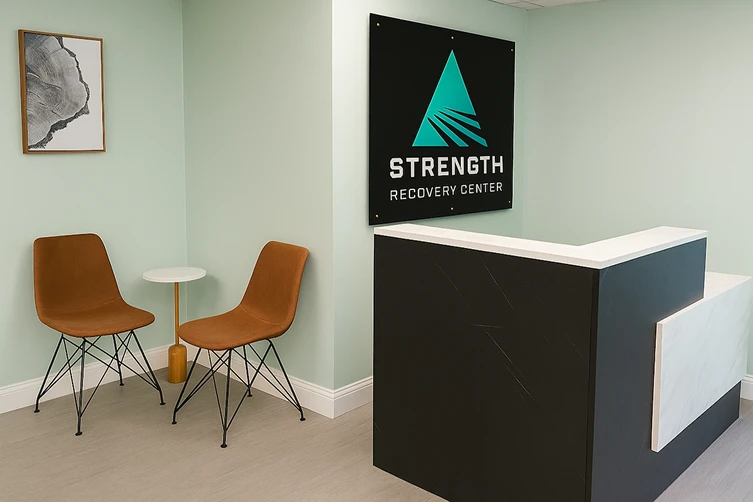
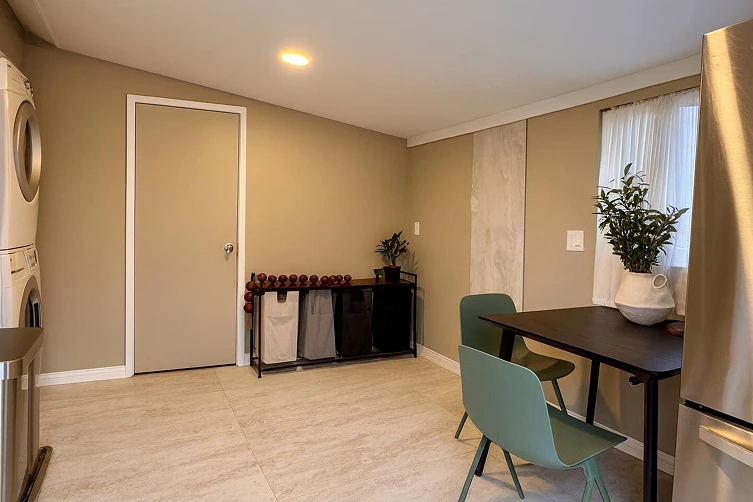
Take a virtual tour of our treatment facility in Weymouth, Massachusetts. We offer comfortable spaces, therapeutic environments, and supportive settings designed to promote healing and recovery.

Real Recovery Stories from Individuals Who Trusted Our Care

Read what people who have received care at Strength Recovery Services share about their experiences, the support they found, and the progress they made.

Posted on Google Google
Olivia Kelley profile picture
Olivia Kelley
Google star 1Google star 2Google star 3Google star 4Google star 5Trustindex verifies that the original source of the review is Google.
Strength is the main reason I am here today thriving in life and not allowing my mental illnesses to take over my life anymore. They were able to help and support me from an ED, and taught me how to live with anxiety and depression. I spent 4 months here and I do not regret a single second I spent. Being able to speak in a room full of people where everyone understands/relates on some level is so refreshing (genuinely an indescribable feeling). They have created such a safe and special place for people to feel vulnerable and strong enough to open up about personal things they have never sad out loud. In my opinion it feels like a big family where everyone wants the best for you and see you succeed. They seriously do care about each individual person there. I have learned so much being here that even now being almost 4 months out of the program I still use and apply to my daily life. I have never been so grateful to be apart of something. As well as I am personally grateful for James who had worked a lot with me and my struggles and left such a huge impact on my life, in ways I can’t even describe. Reach out and advocate for yourself your not alone❤️
Posted on Google Google
haley murray profile picture
haley murray
Google star 1Google star 2Google star 3Google star 4Google star 5Trustindex verifies that the original source of the review is Google.
I came to Strength to work on my mental health, but ended up getting so much more out of the experience than I expected. I was at a point where I felt pretty disconnected from myself and the things that used to make me happy. Being here helped me figure out what actually matters to me, reconnect with my values, and start building a life I genuinely enjoy. One of the best parts was the people I met. I made some real friendships with other clients, and being around people who understood what I was going through made such a difference. The staff also encouraged me to try new things, find hobbies I actually enjoy, and get back into healthy habits that fit my life. What’s been really cool is that months later, I’m still doing so many of the things I started while I was there. They helped me figure out what works for me personally instead of just telling me what I should be doing. For the first time in a while, I feel like I’ve found things I can realistically stick with for years to come. I’m really grateful for my experience at Strength, the people I met, and how much better I feel about the direction my life is going.
Posted on Google Google
Chris Captain profile picture
Chris Captain
Google star 1Google star 2Google star 3Google star 4Google star 5Trustindex verifies that the original source of the review is Google.
What I liked about Strength is that they actually cared about what my life was going to look like after treatment. I didn’t just leave feeling better, I left with a routine I could stick to and people I still keep in touch with. Really grateful for my time there.
Posted on Google Google
Jamie Rodgers profile picture
Jamie Rodgers
Google star 1Google star 2Google star 3Google star 4Google star 5Trustindex verifies that the original source of the review is Google.
I’ve been going here for only two weeks for severe anxiety. In just this short amount of time I have become very aware of how to deal with it when it arises. The entire team here are very genuine and gentle.. They are very patient, empathetic, and dedicated… Eli and JD, the owners, are super chill and were very proactive and helpful dealing with a healthcare provider problem I had and were able to get me the help I needed.. The onboarding with Bobby and Maddy was very easy they helped me every step of the way.. Sean, the other Maddy, and Lori have been extremely helpful and insightful during group sessions.. I have also had a very strong connection with James and Monique in particular, who have done soooooo much for me in such a short time.. And to all my fellow colleagues and associates in the program I am extremely grateful to how non judgmental, helpful, and accepting they are to me and my story.. It’s very rare in life to have a life changing experience but I would say this is the most important and helpful thing I have ever done for myself in my 33 years of living.. Thank you guys so much <3 If you are having any form of substance abuse and/or mental health problems….. I PROMISE THIS IS THE PLACE TO BE..
Posted on Google Google
Kelly Brady profile picture
Kelly Brady
Google star 1Google star 2Google star 3Google star 4Google star 5Trustindex verifies that the original source of the review is Google.
In a guided process with Strength Recovery, it not only helped our family member but helped us to be more effective in communication. The people who work with you over the phone and in person are sincere in their efforts. If it weren't for the Strength Recovery Services and their involvement then our hopes for sobriety may not have become a reality.
Posted on Google Google
Joshua Ochs profile picture
Joshua Ochs
Google star 1Google star 2Google star 3Google star 4Google star 5Trustindex verifies that the original source of the review is Google.
Strength Recovery Services is an excellent program with a caring staff that really spends the time to get to know each client on an individual basis. The facility is clean and comfortable and their program focuses on lifestyle in addition to various modalities to treat mental health and substance abuse. Highly recommend them.
Posted on Google Google
Krisan Pope profile picture
Krisan Pope
Google star 1Google star 2Google star 3Google star 4Google star 5Trustindex verifies that the original source of the review is Google.
My adult son has been a client at Strength Recovery since last year, and I am deeply grateful for the support he has received and continues to receive. I appreciate the comprehensive approach to care, which addresses mental health and recovery together. With personalized treatment plans, individual counseling, structured outpatient programs, and wellness activities such as movement and mindfulness, the program offers support for both emotional well-being and everyday life. The different levels of care, help coordinating additional services, family involvement, and focus on aftercare are valuable parts of that approach. Recovery is an ongoing process, and continued connection matters. I especially want to recognize James, who has been incredibly supportive of my son. He has helped him through difficult times and continues to be there for him. As a parent of an adult child, you cannot navigate every challenge for them, but knowing there is someone they can turn to means so much. James’s steady support has been a source of reassurance, and I cannot thank him enough for his continued care and commitment. What stands out most to me is that the support has continued over time. My gratitude comes not simply from what the program offers, but from knowing that my son has someone in his corner. Thank you, James and the Strength Recovery team, for the meaningful support you provide to my son and to the people who love him.
Posted on Google Google
Barbara Grant profile picture
Barbara Grant
Google star 1Google star 2Google star 3Google star 4Google star 5Trustindex verifies that the original source of the review is Google.
The people are amazing and so caring. They help with substance recovery and assist with services. They assist with mental health, anxiety and depression. They saved me when I was at my lowest and gave me hope that I could get better and have. The therapist listen and provide many different therapies holistic. The groups interact if you would like or individually. Such a wonderful atmosphere and compassion. The therapists can relate to the clients from their own life lessons. I highly recommend them to anyone that may find the need for support during a time that they need it the most.
Posted on Google Google
Mathematics Motivatedbymathcom profile picture
Mathematics Motivatedbymathcom
Google star 1Google star 2Google star 3Google star 4Google star 5Trustindex verifies that the original source of the review is Google.
This is truly an amazing facility that genuinely supports its patients and gives people the tools, resources, and encouragement they need to build a healthier life. I’ve had the opportunity to personally work with patients who have gone through this facility, and I’ve seen firsthand the positive impact it has had on their recovery journey. What stands out to me is the continued support and commitment to helping people maintain a healthy life of sobriety even after they leave the facility. Recovery is not easy, and having a place that truly cares, provides resources, and helps people believe in themselves can make a tremendous difference. I’m grateful to have witnessed the transformation in so many people and would highly recommend this facility to anyone looking for genuine support in their recovery journey. Mathematics
Posted on Google Google
Max Rathmanner profile picture
Max Rathmanner
Google star 1Google star 2Google star 3Google star 4Google star 5Trustindex verifies that the original source of the review is Google.
Incredible place to go for recovery whether it be for addiction or mental health, owners and staff have truly gone above and beyond to help with my recovery process. Truly incredible people who are here to help. Would absolutely recommend.

Helpful Recovery Resources, Educational Content, and Treatment Center Updates

Stay informed with our latest articles covering addiction recovery, mental health education, treatment insights, and wellness strategies to support long-term healing and sobriety.

Why Can’t I Relax? Understanding the Effects of Chronic Stress on Your Mental Health

For many adults, relaxation no longer feels natural.

You finally finish work, sit down on the couch, and instead of feeling calm, your mind continues racing. You think about tomorrow’s meetings, unfinished projects, family responsibilities, bills, emails, and everything else waiting for your attention. Even during vacations or weekends, it feels impossible to fully unwind.

If this sounds familiar, you are not alone.

Many people are living with chronic stress, a condition that affects both physical and emotional health. While occasional stress is a normal part of life, chronic stress keeps the body’s nervous system in a constant state of alertness. Over time, this can contribute to anxiety, depression, burnout, substance use, sleep disturbances, and a wide range of physical symptoms.

Understanding chronic stress can help you recognize when your mind and body are asking for support rather than simply encouraging you to push through another difficult day.

What Is Chronic Stress?

Stress is your body’s natural response to challenges or perceived threats. In short bursts, it helps you stay alert, solve problems, and respond to difficult situations.

The problem occurs when stress never truly goes away.

Chronic stress develops when the body remains in a prolonged state of activation. Instead of returning to a calm baseline after a stressful event, your nervous system continues preparing for the next challenge. Eventually, constant stress begins affecting nearly every system in the body.

Many adults experience chronic stress without realizing it because they have become accustomed to feeling overwhelmed. Living in survival mode starts to feel normal.

Unfortunately, your body was never designed to function that way indefinitely.

Signs You May Be Living With Chronic Stress

Chronic stress affects people differently, but many symptoms develop gradually over weeks or months.

Common signs include:

  • Constant muscle tension
  • Trouble relaxing
  • Racing thoughts
  • Irritability
  • Poor sleep
  • Frequent headaches
  • Digestive problems
  • Difficulty concentrating
  • Increased anxiety
  • Emotional exhaustion
  • Feeling overwhelmed by simple tasks
  • Increased alcohol or substance use

Many people also notice they stop enjoying activities that once helped them recharge. Instead of feeling refreshed after time off, they continue feeling mentally exhausted.

These symptoms often indicate that your nervous system has been operating under prolonged pressure.

Why Your Brain Has Trouble Slowing Down

When stress becomes chronic, your brain begins expecting danger even when none exists.

The nervous system becomes highly efficient at scanning for problems, anticipating worst-case scenarios, and preparing for future challenges. While this response may have once been protective, it eventually becomes exhausting.

This is why many people struggle to relax even when everything around them is quiet.

Their bodies have forgotten what calm feels like emotional numbness.

Instead of resting, the brain continues planning, worrying, analyzing, and preparing for the next source of stress.

Over time, this constant state of hypervigilance contributes to anxiety disorders, panic attacks, depression, and burnout.

The Connection Between Chronic Stress and Substance Use

Many individuals living with chronic stress begin searching for ways to quiet their minds.

Alcohol may seem to help someone unwind after work. Marijuana may temporarily reduce anxious thoughts. Prescription medications may feel like the only way to sleep.

While these strategies may provide temporary relief, they rarely address the underlying causes of stress. Over time, they may actually increase emotional distress while creating additional challenges related to dependence or addiction.

Comprehensive treatment helps individuals develop healthier coping strategies that reduce stress without creating new problems.

Learning how to regulate stress naturally is one of the most important components of long-term recovery.

How Chronic Stress Affects Relationships

Stress rarely stays confined to one area of life.

When someone is living with chronic stress, they often become less emotionally available to the people they care about most. Conversations become shorter. Patience decreases. Small disagreements feel much larger than they actually are.

Partners may notice increased withdrawal or irritability. Parents may find themselves reacting more quickly to their children. Friendships often become more difficult to maintain because emotional energy feels limited.

Many people mistakenly believe they are becoming different people.

In reality, chronic stress is changing how their nervous system responds to everyday situations.

The encouraging news is that these patterns can improve with appropriate treatment and healthier stress management strategies.

How Structured Treatment Helps Reduce Chronic Stress

Managing chronic stress requires more than taking a vacation or getting better sleep. While those strategies are helpful, they do not address the underlying emotional and behavioral patterns that keep the nervous system activated.

At Strength Recovery Services, treatment focuses on helping clients understand how stress affects their thoughts, emotions, behaviors, and physical health. Through evidence-based therapies such as Cognitive Behavioral Therapy, individual counseling, group therapy, and mindfulness techniques, clients learn practical strategies for managing life’s demands more effectively.

For individuals experiencing significant anxiety, depression, burnout, or substance use alongside chronic stress, more structured levels of care may be appropriate.

Our Partial Hospitalization Program and Intensive Outpatient Program provide additional therapeutic support while allowing clients to remain connected to their families, careers, and communities. This combination of structure and flexibility helps individuals build healthier coping skills while applying them in real-world situations.

You Do Not Have to Live in Survival Mode

Many adults have lived with chronic stress for so long that they cannot remember what genuine relaxation feels like.

Healing does not mean eliminating every stressful situation. Life will always include responsibilities, challenges, and uncertainty.

Recovery means learning how to respond differently.

As treatment progresses, many people notice they begin sleeping better, thinking more clearly, communicating more effectively, and enjoying everyday moments again. Their nervous system gradually learns that it does not have to remain on high alert every hour of every day.

This transformation does not happen overnight, but it is possible with the right support.

Why Choose Strength Recovery Services?

At Strength Recovery Services, we understand that chronic stress often affects far more than mental health alone. It influences physical wellbeing, relationships, work performance, and overall quality of life.

Our experienced clinical team provides individualized treatment for adults experiencing anxiety, depression, burnout, trauma, substance use, and co-occurring mental health conditions. Every treatment plan is tailored to each client’s unique needs because no two recovery journeys are exactly alike.

Whether you benefit from outpatient therapy, an Intensive Outpatient Program, or a Partial Hospitalization Program, our goal is to help you regain balance, strengthen resilience, and build a healthier future.

Contact Strength Recovery Services Today

If chronic stress has become your normal, you do not have to continue carrying that burden alone.

Strength Recovery Services proudly provides compassionate behavioral healthcare for adults throughout Weymouth and the South Shore. Our outpatient, Intensive Outpatient Program, and Partial Hospitalization Program are designed to help individuals reduce stress, improve mental health, and create lasting emotional wellness.

Contact Strength Recovery Services today to schedule a confidential assessment and learn how our personalized treatment programs can help you move beyond survival and begin enjoying life again.


(more…)

Why Do I Feel Emotionally Numb? Understanding Emotional Numbness and When to Seek Help

Many people assume mental health challenges always look like overwhelming sadness, constant anxiety, or intense emotional distress. But for many adults, the experience is exactly the opposite.

Instead of feeling too much, they feel very little.

Life begins to feel muted. Things that once brought excitement no longer spark joy. Relationships feel distant, accomplishments feel hollow, and even difficult situations seem to produce little emotional response. Rather than feeling overwhelmed, people often describe feeling disconnected from themselves and the world around them.

This experience is known as emotional numbness, and it is more common than many people realize. Emotional numbness is not a mental health diagnosis itself, but it is often a symptom of underlying conditions such as depression, anxiety, trauma, burnout, chronic stress, or substance use.

Understanding why emotional numbness occurs can help you recognize when it is time to seek support and begin reconnecting with the life you want to experience.

What Is Emotional Numbness?

Emotional numbness is the feeling of being disconnected from your emotions or having difficulty experiencing both positive and negative feelings. Some people describe it as feeling empty, while others say they feel like they are simply going through the motions each day.

Unlike sadness, emotional numbness often feels like an absence of emotion rather than the presence of painful emotions. You may still go to work, care for your family, and meet your responsibilities, but internally you feel detached from experiences that once mattered.

Emotional numbness can affect every area of life. Relationships may become more distant because it is difficult to connect emotionally with others. Hobbies lose their appeal, motivation decreases, and many people begin wondering why they no longer enjoy activities that once brought happiness.

These changes often happen gradually, making them easy to dismiss until they begin affecting overall quality of life.

What Causes Emotional Numbness?

There is rarely a single cause of emotional numbness. Instead, it often develops as the mind’s way of protecting itself from prolonged emotional strain.

Common contributing factors include:

  • Depression
  • Anxiety disorders
  • Trauma or post traumatic stress
  • Chronic workplace stress
  • Burnout
  • Grief and loss
  • Substance use
  • Relationship difficulties
  • Chronic medical conditions

When the brain experiences prolonged stress, it sometimes reduces emotional responsiveness as a way to conserve energy and protect against continued emotional pain. While this may provide temporary relief, it also prevents people from experiencing positive emotions, meaningful relationships, and personal fulfillment.

Over time, emotional numbness can become just as distressing as anxiety or depression because individuals begin feeling disconnected from the people and activities that once gave life meaning.

Emotional Numbness and Depression

Many people assume depression always involves crying or persistent sadness. While that is true for some individuals, others experience depression primarily through emotional numbness.

Instead of feeling deeply sad, they simply stop feeling much of anything.

People with depression often describe feeling emotionally flat, lacking motivation, or struggling to care about goals that once felt important. Even positive experiences such as vacations, birthdays, or career achievements may fail to create feelings of happiness or excitement.

Because emotional numbness can be subtle, many individuals delay seeking treatment. They continue functioning at work and home while believing they simply need more rest or more motivation. Unfortunately, untreated depression often becomes more difficult to manage over time.

Recognizing emotional numbness as a potential symptom of depression allows people to seek help before their symptoms become more severe.

The Connection Between Trauma and Emotional Numbness

Trauma affects everyone differently. While some people experience intrusive memories or heightened anxiety, others respond by emotionally shutting down.

Emotional numbness can develop after a traumatic event because the brain is attempting to protect itself from overwhelming emotional pain. Unfortunately, this protective response often affects positive emotions as well, making it difficult to experience joy, connection, or hope.

People who have experienced trauma sometimes report feeling disconnected from their surroundings, relationships, or even their own identities. They may avoid situations that trigger emotional memories while also struggling to engage fully in everyday life.

Trauma informed therapy helps individuals safely process difficult experiences while gradually rebuilding emotional awareness and resilience.

Can Substance Use Cause Emotional Numbness?

Alcohol and drugs often begin as attempts to manage painful emotions. Over time, however, substance use frequently contributes to emotional numbness rather than relieving it.

Many substances alter the brain’s natural reward system, making it more difficult to experience pleasure without continued substance use. As dependence develops, emotional experiences often become increasingly limited.

Individuals may notice they no longer enjoy hobbies, relationships, or achievements the way they once did. Instead, their emotional wellbeing becomes closely tied to alcohol or drug use.

Comprehensive treatment addresses both substance use and the underlying emotional challenges that contributed to it, helping individuals reconnect with healthier sources of meaning and fulfillment.

How Therapy Helps You Reconnect With Your Emotions

Recovery from emotional numbness does not happen by forcing yourself to feel differently. It begins by understanding the experiences, stressors, and emotional patterns that contributed to disconnection in the first place.

Evidence based therapy helps individuals identify underlying mental health concerns while developing healthier coping strategies that support long term emotional wellness. Through individual counseling, group therapy, Cognitive Behavioral Therapy, and other therapeutic approaches, clients begin rebuilding emotional awareness at a pace that feels safe and manageable.

As treatment progresses, many people notice small but meaningful changes. They laugh more easily, reconnect with loved ones, enjoy hobbies again, and begin feeling hopeful about the future. These moments often become important reminders that emotional connection can return.

When Structured Treatment May Be the Right Choice

For some individuals, weekly therapy provides enough support. Others benefit from a more structured level of care, especially if emotional numbness is affecting work performance, relationships, or daily functioning.

Strength Recovery Services offers outpatient treatment, Intensive Outpatient Programs, and Partial Hospitalization Programs designed to provide individualized support based on each person’s needs. These programs combine evidence based therapies with practical skill development to help clients improve emotional regulation, manage stress, and build healthier routines.

Structured treatment provides consistent guidance while allowing clients to practice new coping skills in their everyday lives. This balance often helps individuals make meaningful progress while remaining connected to work, family, and their communities.

Why Choose Strength Recovery Services?

At Strength Recovery Services, we understand that emotional numbness is more than simply feeling tired or unmotivated. It can affect relationships, careers, physical health, and overall quality of life.

Our compassionate clinical team provides individualized treatment for adults experiencing depression, anxiety, trauma, burnout, substance use, and co-occurring mental health conditions. Through evidence based care and personalized treatment planning, we help clients reconnect with themselves, strengthen emotional resilience, and build healthier lives.

Whether you need outpatient care, an Intensive Outpatient Program, or a Partial Hospitalization Program, our team will help determine the level of care that best supports your recovery goals.

Contact Strength Recovery Services Today

If you have been feeling emotionally disconnected, going through the motions, or wondering why life no longer feels the way it once did, you do not have to navigate those feelings alone.

Strength Recovery Services proudly serves adults throughout Weymouth and the South Shore with compassionate, evidence based behavioral healthcare. Contact us today to schedule a confidential assessment and learn how our outpatient, Intensive Outpatient Program, and Partial Hospitalization Program can help you reconnect with your emotions, strengthen your mental health, and begin building a more fulfilling future.

What Is a Partial Hospitalization Program and When Is It the Right Level of Care?

Seeking treatment for your mental health or substance use can feel overwhelming, especially when you are trying to understand the different levels of care available. Many people have heard terms like outpatient therapy, Intensive Outpatient Program, or Partial Hospitalization Program but are unsure what each one means or which option is right for their situation.

A Partial Hospitalization Program offers a highly structured level of care for adults who need more support than weekly therapy or an Intensive Outpatient Program but do not require twenty four hour residential treatment. It provides intensive clinical services during the day while allowing clients to return home each evening, giving them the opportunity to practice new skills in their everyday environment.

For individuals experiencing significant anxiety, depression, trauma, substance use, or co-occurring mental health conditions, a Partial Hospitalization Program can provide the stability and therapeutic support needed to begin meaningful recovery without completely stepping away from daily life.

Understanding how this level of care works can help you or someone you love make an informed decision about the next step toward healing.

Understanding the Continuum of Behavioral Healthcare

Behavioral healthcare is designed to provide different levels of support based on each person’s clinical needs. Recovery is not one size fits all, and choosing the appropriate level of care can make a significant difference in treatment outcomes.

A Partial Hospitalization Program sits between residential treatment and an Intensive Outpatient Program on the continuum of care. It offers comprehensive clinical treatment throughout the day while allowing clients to return home in the evenings. This structure provides intensive therapeutic support while helping individuals remain connected to their families and communities.

Many people enter a Partial Hospitalization Program because they need more support than traditional outpatient therapy can provide. Others begin PHP after completing residential treatment and use it as a transitional step before moving into an Intensive Outpatient Program.

The goal is always the same. To provide the right amount of clinical care at the right time so clients can safely stabilize, build healthy coping skills, and continue progressing toward long term recovery.

Who Benefits From a Partial Hospitalization Program?

Every person’s recovery journey is unique, but there are common situations where a Partial Hospitalization Program may be the most appropriate choice.

Individuals often benefit from PHP if they are experiencing:

  • Anxiety that significantly affects daily functioning.
  • Depression that makes it difficult to work or care for themselves.
  • Trauma related symptoms.
  • Mood instability.
  • Co-occurring mental health and substance use disorders.
  • Increased risk of relapse after detoxification or residential treatment.
  • Difficulty functioning despite weekly therapy.

Many clients entering PHP are still highly motivated to recover but recognize they need more structured support than traditional outpatient services can provide. Rather than waiting until symptoms become even more severe, they choose a level of care that provides intensive treatment while preserving as much independence as possible.

This early intervention often leads to stronger outcomes because clients receive comprehensive support before reaching a crisis point.

What Happens During a Partial Hospitalization Program?

A Partial Hospitalization Program typically involves attending treatment several days each week for multiple hours each day. Clients participate in a combination of individual therapy, group counseling, psychoeducation, relapse prevention, skill development, and psychiatric support when clinically appropriate.

Unlike residential treatment, clients return home after each treatment day. This creates valuable opportunities to immediately practice the skills they are learning while still receiving daily clinical guidance and accountability.

Treatment often focuses on:

  • Managing anxiety and depression.
  • Emotional regulation.
  • Healthy coping strategies.
  • Relapse prevention.
  • Stress management.
  • Communication skills.
  • Building healthy daily routines.
  • Understanding the relationship between mental health and substance use.

Every treatment plan is individualized because each client’s needs, goals, and life experiences are different.

Why Structure Creates Better Outcomes

One of the greatest benefits of a Partial Hospitalization Program is consistency. Many people struggling with anxiety, depression, or addiction have lost the healthy routines that once supported emotional wellbeing. Sleep patterns become irregular, self care declines, and daily responsibilities begin feeling overwhelming.

PHP provides structure during a time when individuals need it most. Consistent therapy sessions, predictable routines, and regular interaction with experienced clinicians help restore stability while reducing emotional chaos.

Structure also creates accountability. Clients continue developing healthier habits each day while receiving encouragement, feedback, and support from their treatment team.

As healthy routines become more familiar, confidence grows. Individuals begin recognizing that recovery is not simply about reducing symptoms. It is about building a healthier life that supports long term emotional wellness.

Why Early Intervention Matters

One of the biggest misconceptions surrounding behavioral healthcare is that someone must reach rock bottom before seeking intensive treatment. In reality, earlier intervention consistently leads to better outcomes.

Many people enter a Partial Hospitalization Program because they recognize their symptoms are becoming increasingly difficult to manage. Rather than waiting until work performance declines further, relationships suffer, or substance use escalates, they choose to receive additional support while they still have strong motivation to recover.

This proactive approach often reduces the length and severity of emotional distress. Clients begin learning healthier coping strategies before unhealthy patterns become even more deeply established.

Seeking treatment early is not a sign of weakness. It is often one of the strongest decisions someone can make for their future.

Partial Hospitalization Program Versus Intensive Outpatient Program

One of the most common questions people ask is how a Partial Hospitalization Program differs from an Intensive Outpatient Program. While both provide structured, evidence based treatment, they are designed for different levels of clinical need.

A Partial Hospitalization Program offers more intensive support. Clients attend treatment for several hours each day, multiple days each week, allowing for greater therapeutic engagement and clinical monitoring. This level of care is often recommended for individuals whose symptoms significantly interfere with daily functioning but who do not require twenty four hour residential treatment.

An Intensive Outpatient Program typically involves fewer treatment hours each week and is ideal for individuals who have become more stable or whose symptoms can be managed with less frequent clinical support. Many clients transition from PHP into IOP as they gain confidence, develop stronger coping skills, and begin returning to their normal routines.

Rather than competing levels of care, PHP and IOP work together. They provide a gradual path toward independence while ensuring clients continue receiving the support they need throughout recovery.

Evidence Based Therapies Used in a Partial Hospitalization Program

The goal of a Partial Hospitalization Program is not simply to reduce symptoms. It is to help clients develop practical skills that support long term emotional wellness and recovery. This is accomplished through evidence based therapies that have consistently demonstrated positive outcomes for individuals experiencing mental health and substance use disorders.

Treatment often includes Cognitive Behavioral Therapy, which helps clients recognize unhelpful thinking patterns and replace them with healthier ways of responding to stress. Dialectical Behavior Therapy techniques may also be incorporated to strengthen emotional regulation, distress tolerance, and interpersonal effectiveness.

Group therapy provides opportunities for connection, support, and shared learning. Many individuals discover they are not alone in what they have experienced, which helps reduce feelings of shame and isolation. Individual therapy allows clinicians to address personal goals, underlying trauma, family dynamics, and other concerns unique to each client.

Education is another important component of treatment. Clients learn about anxiety, depression, addiction, relapse prevention, stress management, healthy communication, and the relationship between emotional health and physical wellbeing. Understanding these concepts empowers individuals to make informed decisions that support lasting recovery.

Treating Mental Health and Substance Use Together

Many individuals entering treatment are experiencing both a mental health condition and a substance use disorder. Anxiety, depression, trauma, and chronic stress frequently contribute to alcohol or drug use as individuals search for temporary relief from emotional discomfort.

A Partial Hospitalization Program is particularly effective because it addresses both conditions simultaneously. Rather than treating mental health and substance use separately, clinicians help clients understand how these challenges influence one another and develop healthier ways of managing emotional distress.

Integrated treatment often produces stronger outcomes because it focuses on the complete picture rather than only one aspect of recovery. Clients learn healthier coping skills while addressing the underlying factors that contributed to substance use in the first place.

By treating the whole person, recovery becomes more sustainable and relapse risk is often reduced because emotional needs are no longer being ignored.

The Role of Family During Recovery

Addiction and mental health conditions affect more than the individual receiving treatment. Family members often experience confusion, frustration, worry, and emotional exhaustion as they try to support someone they love. Recovery becomes stronger when families have opportunities to learn, heal, and participate in the process together.

A Partial Hospitalization Program may include family involvement when clinically appropriate. Education helps loved ones better understand mental health conditions, addiction, recovery, healthy communication, and boundary setting. These conversations often reduce misunderstandings while creating healthier patterns of interaction at home.

Families also learn that recovery is a process rather than a single event. Progress may involve setbacks, but continued support, healthy expectations, and consistent communication help create an environment where lasting recovery can flourish.

Strengthening family relationships often improves treatment outcomes because clients return home each evening to a more supportive and informed environment.

Building Confidence Through Daily Practice

One of the greatest advantages of a Partial Hospitalization Program is that clients have the opportunity to immediately apply what they are learning. They spend their treatment day developing new coping strategies and then return home to practice those skills in real life situations.

This daily practice helps build confidence. Rather than wondering whether recovery strategies will work outside of therapy, clients begin seeing positive changes in their relationships, emotional regulation, communication, and decision making. They also have the opportunity to return to treatment the following day to discuss challenges, celebrate successes, and continue strengthening new habits.

Recovery becomes an active learning process instead of simply receiving information. Each day provides new opportunities to grow, practice, and build resilience while knowing experienced clinicians are there to provide guidance and encouragement.

This combination of structured treatment and real world application is one of the reasons Partial Hospitalization Programs are so effective in helping individuals build a strong foundation for long term recovery.

What Happens After a Partial Hospitalization Program?

Recovery is not a single event. It is a process that continues long after someone begins feeling better. One of the greatest strengths of a Partial Hospitalization Program is that it prepares clients for the next phase of recovery instead of ending treatment abruptly.

As individuals become more emotionally stable and confident in their coping skills, many transition into an Intensive Outpatient Program. This step down approach allows them to continue receiving structured therapeutic support while gradually increasing their independence. Rather than moving from intensive treatment directly back into everyday life, clients continue building upon the progress they have already made.

This gradual transition helps reinforce healthy routines, strengthen relapse prevention strategies, and provide continued accountability during a period when many people are adjusting to new responsibilities. It also gives clients the opportunity to continue discussing challenges as they arise while remaining connected to a supportive treatment team.

Recovery becomes a progression instead of a finish line. Each level of care builds upon the previous one, helping individuals create lasting emotional wellness and long term stability.

Why Individualized Care Leads to Better Recovery

No two people experience mental health or substance use challenges in exactly the same way. Some individuals enter treatment because anxiety has become overwhelming. Others are struggling with depression, trauma, alcohol use, or multiple concerns occurring at the same time. Their life experiences, responsibilities, support systems, and recovery goals are unique.

A Partial Hospitalization Program should reflect those differences. Effective treatment begins with understanding the whole person rather than focusing only on symptoms. This allows clinicians to develop a personalized treatment plan that addresses the underlying factors contributing to emotional distress while helping clients build practical strategies for long term success.

At Strength Recovery Services, every client receives individualized care because meaningful recovery requires more than following a standard treatment plan. Our clinicians work collaboratively with each person to identify strengths, challenges, and goals while creating a therapeutic experience that fits their specific needs.

Treatment may include Cognitive Behavioral Therapy, individual counseling, group therapy, psychoeducation, relapse prevention planning, mindfulness practices, emotional regulation, and other evidence based interventions selected according to each client’s clinical needs.

Returning to Work, Family, and Everyday Life

One of the primary goals of a Partial Hospitalization Program is helping individuals return to everyday life with greater confidence and stability. Recovery is not about avoiding responsibilities. It is about developing the emotional resilience and practical skills necessary to manage those responsibilities in healthier ways.

Throughout treatment, clients learn how to communicate more effectively, establish healthier boundaries, manage stress, regulate emotions, and respond to challenges without relying on unhealthy coping strategies. These skills become valuable not only during treatment but throughout every stage of life.

Many individuals notice improvements that extend well beyond symptom reduction. They become more present with family members, more engaged in their work, and more confident in their ability to navigate difficult situations. Sleep often improves, relationships become stronger, and daily routines begin feeling manageable again.

Rather than simply returning to life as it was before treatment, clients often discover they are building a healthier version of life that better supports their emotional wellbeing and long term recovery.

Recovery Is About Building a Foundation for the Future

The purpose of treatment is not simply to help someone feel better today. It is to provide the tools, knowledge, and confidence necessary to continue growing long after formal treatment has ended.

A Partial Hospitalization Program creates that foundation by helping clients understand themselves more fully while developing healthier ways of responding to life’s challenges. Instead of relying on avoidance, isolation, alcohol, or other substances, they learn practical coping strategies that support emotional wellness over the long term.

Recovery also encourages people to reconnect with the goals, relationships, and activities that give life meaning. Many clients begin rebuilding careers, strengthening family relationships, improving physical health, and rediscovering interests they had lost during periods of emotional struggle or substance use.

This is why recovery is about much more than symptom management. It is about creating a life that feels balanced, purposeful, and worth protecting.

Why Choose Strength Recovery Services?

At Strength Recovery Services, we understand that deciding to seek treatment is one of the most important decisions someone can make. Whether you are experiencing anxiety, depression, trauma, burnout, substance use, or co-occurring mental health concerns, our goal is to provide compassionate care that meets you where you are.

Our Partial Hospitalization Program, Intensive Outpatient Program, and outpatient services are designed to provide the right level of care at the right time. Every client receives individualized treatment based on their unique needs, goals, and circumstances because we believe recovery should never follow a one size fits all approach.

Our experienced clinical team combines evidence based therapies with personalized treatment planning to help clients build healthier coping skills, improve emotional wellbeing, strengthen relationships, and achieve lasting recovery. We are committed to treating the whole person, not simply managing symptoms.

Throughout every stage of treatment, we work alongside our clients as partners in recovery, helping them build the confidence and resilience needed to move forward with hope.

Take the First Step Toward Recovery

If you or someone you love has been struggling with mental health challenges or substance use, you do not have to wait until things become worse before seeking help. Early intervention often leads to stronger outcomes and provides the opportunity to begin healing before emotional distress significantly affects work, relationships, or physical health.

A Partial Hospitalization Program offers intensive clinical support while allowing individuals to return home each day, creating an ideal balance of structure, flexibility, and real world application. For many people, it provides exactly the level of care needed to begin meaningful recovery while remaining connected to family and community.

Contact Strength Recovery Services Today

Strength Recovery Services proudly provides compassionate behavioral healthcare for adults throughout Weymouth and the South Shore. Our Partial Hospitalization Program, Intensive Outpatient Program, and outpatient services are designed to help individuals build healthier lives through evidence based, individualized treatment.

If you are unsure which level of care is right for you, our team is here to help. Contact Strength Recovery Services today to schedule a confidential assessment and learn how our programs can support your recovery journey.

Recovery begins with one conversation. Let today be the day you take the first step toward a healthier future.

Your Recovery Journey Begins with One Strong Step

You do not have to figure out the next step alone. Reach out to Strength Recovery Services, and our team will answer your questions, help verify your insurance, and guide you through the start of the admissions process.

Our Team is Ready to Help!

Contact Form

First Name(Required)

Frequently Asked Questions About Treatment and Recovery Programs

Begin Your Path to Recovery with Trusted Professional Care Today

What treatment options are available for addiction?

Strength Recovery Services offers outpatient addiction treatment through our partial hospitalization program (PHP) and intensive outpatient program (IOP). Treatment helps you understand substance use patterns, manage triggers, and build healthier coping skills. Our team can help determine which level of support fits your needs.

Yes. Strength Recovery Services supports adults seeking help for mental health concerns, whether or not substance use is involved. Our PHP and IOP programs provide structured care for concerns such as anxiety, depression, bipolar disorder, OCD, and PTSD.

When these concerns occur together, they are called co-occurring disorders. Our dual diagnosis treatment addresses both within the same treatment plan, helping you understand how they affect each other and develop skills that support your overall recovery.

Strength Recovery Services works with many major insurance providers, and your plan may cover outpatient behavioral health treatment. Coverage and out-of-pocket costs depend on your benefits and treatment needs. Our team can verify your insurance and explain your options before you begin.

Before your program ends, your team will help you plan for continued support based on your needs and progress. This may include stepping down from PHP to IOP, participating in aftercare support, or continuing care with outpatient providers. The goal is to help you maintain progress, recognize challenges early, and keep using the skills you have developed.