
Behavioral Health Resources and Insights

Understanding what you or someone you care about is experiencing can make seeking support feel less overwhelming. Our blog page offers educational information about mental health, addiction, and co-occurring concerns.

Explore articles on coping skills, treatment options, and everyday habits that support well-being. Whether you are considering care or continuing your recovery, these resources can help you feel more informed about the path ahead.

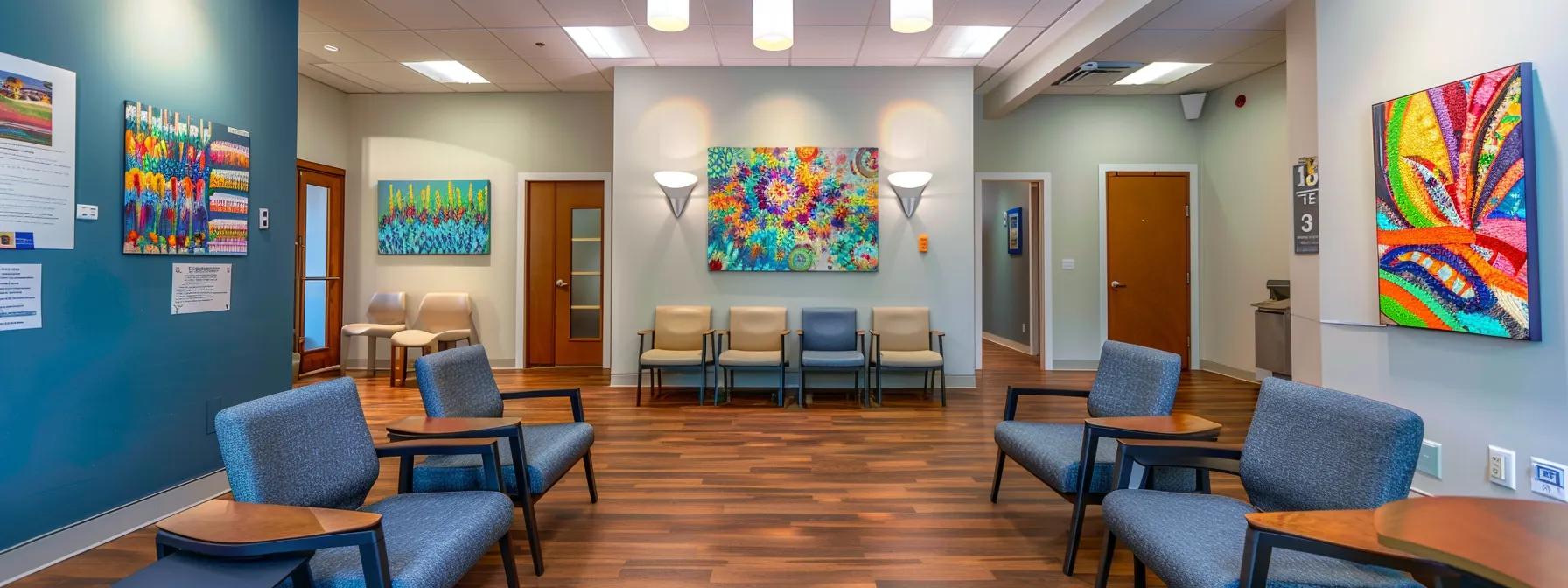
a modern and inviting interior of a state-of-the-art treatment center in massachusetts, featuring sleek furnishings and warm lighting, embodies the theme of navigating the challenges of half-day intensive outpatient programs.

Key Challenges in Half Day IOP Programs in Massachusetts

Table Of Contents:

Facing the Difficulties of Half Day IOP in Massachusetts: Key Challenges Explained

The Half Day Intensive Outpatient Program (IOP) in Massachusetts offers flexible, intensive treatment for individuals struggling with substance use disorders while allowing them to manage daily responsibilities. Yet, patients and families encounter challenges beyond the clinical setting that span time commitments, finances, emotional resilience, logistical obstacles, treatment effectiveness, and support systems. This article explores these critical challenges, explains their impact, and provides practical guidance to help individuals balance the rigorous demands of Half Day IOPs with everyday life. It serves as a valuable resource for patients, family members, and professionals at centers such as the Massachusetts facility, addressing the multifaceted nature of addiction recovery and the necessity for holistic support to navigate the journey towards sobriety successfully. By shedding light on these challenges and offering actionable strategies to overcome them, individuals can better equip themselves for the road ahead, fostering a community of understanding and resilience in the face of adversity. Let’s continue to empower individuals in their pursuit of healthier, more fulfilling lives.

.

Understanding Time Commitments for Massachusetts Half Day IOP Attendance

The time commitment required for a Half Day IOP in Massachusetts can be challenging. The program’s schedule delivers intensive therapeutic intervention during the day while trying to preserve some flexibility; however, treatment hours may conflict with other responsibilities.

Balancing Work or School With Program Schedules

Attending a Half Day IOP often means managing full-time work or regular academic commitments alongside treatment. The program typically lasts four to six hours per session, which can conflict with standard work or class schedules. Patients are sometimes forced to negotiate time off or flexible arrangements with employers or academic advisors. Such scheduling stresses can lead to anxiety and reduced treatment engagement. Studies suggest that flexible arrangements can improve continuity of care by around 30%, supporting better outcomes and reducing feelings of guilt. Tools such as planners or digital calendars, along with clear communication with supervisors and professors, can help balance these competing priorities while fostering a supportive environment for individuals seeking recovery and stability. Open dialogue and transparency about treatment needs can pave the way for understanding and accommodation in the workplace or academic setting. By proactively addressing these challenges, individuals can better navigate the dual demands of their professional or educational responsibilities and their health needs. Building a network of support and utilizing available resources can further enhance the likelihood of success in both realms. It’s important to recognize the value of self-care and advocacy in maintaining well-being while navigating the complexities of balancing treatment with other obligations.

Managing Family Responsibilities Alongside Treatment

Family obligations add complexity to attending Half Day IOP sessions. Patients with children, elderly parents, or other dependents must juggle caregiving duties along with treatment. In many Massachusetts communities, family support may be limited geographically, increasing stress and guilt. Evidence shows that adequate family involvement and counseling can lead to better long-term outcomes. Practical help – such as childcare or meal preparation – can ease the burden. Community initiatives sometimes offer subsidized or volunteer childcare during treatment hours. Combined with effective time management and clear boundary-setting, these measures help reduce emotional stress and allow patients to participate more fully in therapy.

Accounting for Travel Time to Massachusetts Facilities

Travel time to treatment centers is another significant challenge. For many patients, the distance to specialized facilities in Massachusetts poses difficulties. In urban areas like Boston or Worcester, heavy traffic and limited parking complicate travel, while rural patients often have fewer available transportation options. Research indicates that longer travel times can reduce patient adherence by about 20%. Dependable transportation—whether personal, public, or ride-sharing—is key to maintaining consistent attendance. Some centers offer shuttle services or partner with local agencies and volunteer drivers. Patients can also adjust schedules to avoid peak traffic or explore community-based transportation options to reduce stress and promote ongoing treatment attendance.

Sustaining Engagement Throughout the Program Duration

Staying fully engaged during the lengthy treatment session is vital but challenging. The program, which combines group therapy, individual counseling, and skill-building sessions, demands sustained mental and emotional participation. External stressors like work and family can further diminish focus over time. Research in outpatient treatment shows that higher engagement correlates with better coping strategies and lower relapse rates. Key strategies include using interactive sessions, regular evaluations, goal-setting, and digital tools such as mobile apps for progress tracking and reminders. Scheduling regular feedback between patients and clinicians can quickly address emerging issues. Through these measures, patients are more likely to remain committed and effectively integrate into daily life.

Determining Insurance Coverage for Half Day Programs

Insurance coverage for half day IOPs varies widely. Some policies cover a significant part of treatment expenses, while others have substantial deductibles and co-pays. In Massachusetts, many insurers categorize IOPs under mental health or substance abuse treatment, but specifics depend on network status, plan details, and state-mandated provisions. Patients should review their benefits and obtain any necessary documentation, such as referrals or evaluations. Proactive financial counseling can help minimize discrepancies between written coverage and cost, reducing anxiety related to unexpected expenses.

Calculating Out-of-Pocket Expenses and Co-Pays

A realistic financial plan requires itemizing potential out-of-pocket costs, including co-pays for each session and other associated fees. Even with good insurance coverage, repeated co-pays can add up to significant monthly expenses. Patients are advised to consult both the billing department at treatment centers and their ability to obtain clear estimates that include all fees such as administrative costs and lab tests. Transparency in these calculations enables patients to plan ahead and, if necessary, seek additional financial assistance to cover any shortfalls.

Finding Resources for Financial Assistance if Needed

Several programs in Massachusetts help alleviate the financial impact of substance abuse treatment. Patients may be eligible for Medicaid, state-sponsored healthcare programs, nonprofit support, or local grants that reduce costs. Many treatment centers have in-house financial counselors who can assist in applying for these resources. Nonprofit organizations may offer sliding scale fees or subsidized treatment depending on income, ensuring more affordable access to care. By understanding the full spectrum of available financial aid, patients can reduce their economic burden and focus more on their recovery and well-being without the added stress of financial worries. This holistic support system aims to make substance abuse treatment accessible to those in need, emphasizing the importance of mental and physical health as integral components of overall wellness. Through these diverse avenues of financial assistance, individuals can embark on their journey to sobriety with confidence and the necessary resources to facilitate a successful recovery process.

Managing Potential Lost Income During Treatment Hours

For many patients, attending a Half Day IOP may mean lost wages, especially for those paid hourly or who are self-employed. Even a few missed work hours can strain finances. Patients are encouraged to negotiate flexible schedules, explore options for remote work, or request temporary leave with job protection. Financial counseling at treatment centers may include budgeting advice to accommodate periods of reduced income. Additionally, some states provide temporary support or unemployment benefits during mandated treatment, though eligibility may vary. A proactive income protection plan—with emergency savings or short-term disability if applicable—can help reduce this financial stress while maintaining focus on recovery.

Confronting Emotional and Psychological Hurdles in a Massachusetts Half Day IOP

Emotional and psychological challenges are as significant as logistical and financial concerns in Half Day IOPs. The intensity of group therapy sessions, vulnerability during treatment, and the challenge of balancing treatment stress with personal life can test a patient’s resilience.

Coping With the Intensity of Group Therapy Sessions

Group therapy is a cornerstone of many Half Day IOPs and provides valuable peer support. However, sharing personal stories in a group can trigger strong emotions such as anxiety, shame, or fear of judgment—especially for those with a history of trauma. Studies have shown that actively engaging in group sessions is linked to a 25% higher likelihood of long-term recovery. Techniques such as mindfulness, self-reflection, and supplemental individual therapy can help manage these intense emotions. Clinicians use cognitive behavioral therapy (CBT) to reframe negative thoughts and create a safe, supportive environment through confidentiality and respect. Grounding exercises, like deep breathing, further help patients remain present, gradually transforming initial discomfort into personal growth and resilience.

Handling Feelings of Vulnerability or Exposure

Being vulnerable in a therapeutic setting can feel overwhelming. In a Half Day IOP where personal struggles are shared openly, patients may fear exposure or worry about confidentiality. While these feelings can initially be distressing, they also provide an opportunity for growth. Structured self-disclosure and controlled therapeutic exposure help patients gradually become more comfortable sharing personal experiences. Trauma-informed care approaches assure patients that vulnerability is a crucial step toward healing. Over time, peer support reinforces feelings of validation, reducing isolation and promoting trust among group members, which is essential for a successful recovery.

Maintaining Motivation and Preventing Burnout

The demanding nature of a Half Day IOP can lead to burnout, characterized by emotional exhaustion and reduced personal accomplishment. To mitigate this, patients should use regular goal-setting, and peer recognition can renew motivation. Many programs in Massachusetts incorporate motivational interviewing and schedule periodic breaks and self-care activities to help manage stress. Documenting progress through journals or charts provides visible evidence of growth, reinforcing the value of each session. In this supportive environment, proactive strategies and regular feedback help maintain long-term motivation and diminish the risk of relapse.

Addressing Stigma Associated With Seeking Treatment

Stigma remains a significant barrier for many seeking treatment for substance abuse and mental health challenges. Patients may feel shame or fear judgment from society, friends, or family. In response, treatment centers actively work to combat these stigmas through education and awareness campaigns that emphasize recovery as a courageous, health-focused endeavor. Clinicians encourage patients to view treatment as an investment in long-term well-being rather than a mark of weakness. Over time, as patients experience tangible benefits from their recovery, the impact of external stigma diminishes, helping rebuild self-esteem and foster a more positive identity.

Working Through Resistance to Therapeutic Processes

Resistance is a common part of the therapeutic process, particularly when confronting deeply embedded substance use disorders. Patients may show reluctance or avoid addressing challenging issues due to fear of change or confronting past traumas. Massachusetts clinicians are experienced in recognizing and managing such resistance—not as failure but as a natural part of therapy. Techniques like motivational interviewing and CBT help reframe resistance as an indication that important issues are being approached. By breaking down daunting topics into manageable parts and celebrating small successes, patients gradually overcome resistance, leading to deeper engagement and meaningful progress in their recovery journey.

Overcoming Logistical Obstacles Specific to Massachusetts Half Day IOPs

Logistical issues—such as transportation, childcare, daily routines, and accessibility in rural areas—can impede consistent participation in a Half Day IOP. Addressing these obstacles is essential to maintain treatment effectiveness and reduce additional stress.

Securing Reliable Transportation to and From the Program

Reliable transportation is critical for regular attendance. In Massachusetts, patients may face challenges due to limited public transit, heavy traffic, or high ride-sharing costs. Exploring all available options—including public transportation, community shuttles, volunteer driver programs, or rides with trusted family and friends—helps mitigate these issues. Some treatment centers may offer or coordinate transportation assistance, while flexible scheduling can help avoid peak travel times and reduce delays.

Arranging Childcare During Program Hours

For patients who are primary caregivers, securing dependable childcare during treatment hours can be challenging. Limited local childcare options may force parents to use informal support networks or miss sessions. Treatment centers sometimes partner with local agencies to offer on-site or nearby childcare services at reduced rates. Flexibility in scheduling or community outreach can also provide temporary childcare solutions, ensuring that patients remain able to focus on their recovery while their family responsibilities are managed.

Adapting Daily Routines to Accommodate Treatment

Changing daily routines to include treatment sessions is a multifaceted challenge that may require adjustments in work, school, and personal time. Patients are encouraged to develop detailed schedules that account for all commitments, anticipate conflicts, and include designated time for meals, sleep, and self-care. Involvement from family members and coworkers in adjusting expectations can ease the transition. Smartphone apps and support groups can offer additional guidance to restructure daily routines effectively for long-term recovery.

Accessing Programs in Rural or Underserved Massachusetts Areas

Patients in rural or underserved areas face unique logistical challenges such as longer travel times, fewer transportation options, and limited nearby facilities offering Half Day IOPs. Strategies to address these challenges include leveraging telehealth services, using mobile treatment units, or coordinating with local government and community organizations to create accessible treatment hubs. Such initiatives help ensure that quality care is available regardless of geographic location, broadening the reach of proven interventions and enhancing the overall effectiveness of mental health services in underserved regions. By embracing innovative approaches and partnerships, healthcare providers can bridge the gap in access to Half Day IOPs for those in rural areas, promoting equitable healthcare delivery and improving outcomes for all patients in need of such specialized care.

Examining Potential Complications in Treatment Effectiveness and Progress

Ensuring that treatment remains effective despite the condensed structure of a Half Day IOP is critical. Patients and clinicians must work together to integrate therapeutic lessons into daily life while managing co-occurring disorders and preparing for post-treatment transitions.

Ensuring Individual Needs Are Met in a Group Setting

Group therapy sessions are designed to provide peer support but may not address every individual’s unique issues. To counter this, many programs include regular one-on-one check-ins or individualized sessions. This hybrid model allows clinicians to tailor interventions to each patient’s needs and adjust treatment intensity accordingly. When individual needs are addressed alongside group therapy, patients are better able to integrate insights into daily routines, thereby improving overall outcomes.

Integrating IOP Learnings Into Daily Life Effectively

A key challenge in treatment is transferring the skills and lessons learned during sessions into everyday life. Successful integration requires consistent aftercare planning, where patients set concrete actions to counter triggers and stress outside the clinical environment. Regular follow-up sessions, digital mood trackers, educational workshops, and relapse prevention groups can all support this process. When patients observe the tangible benefits of applying these methods at home and at work, their confidence and long-term commitment to recovery often strengthen. Over time, the strategies practiced become ingrained habits that help individuals navigate challenges independently, fostering resilience and a more sustainable path to wellness. The journey towards lasting change hinges on the diligent application of these tools in real-world scenarios, bolstered by a supportive network and a deep-rooted determination to prioritize mental health and well-being.

Managing Co-Occurring Disorders Within the Half Day Structure

Many patients in Half Day IOPs struggle with co-occurring disorders such as anxiety, depression, or PTSD, which can complicate substance abuse treatment. Comprehensive treatment centers in Massachusetts address these dual challenges through multidisciplinary approaches that combine psychiatric care with behavioral therapies like CBT and DBT. In some cases, medication-assisted treatment (MAT) may also be used to stabilize mood and support emotional well-being. Regular evaluations allow clinicians to adjust treatment plans as needed, ensuring that both substance use and mental health challenges receive appropriate attention. half-day treatment iop in massachusetts

Preparing for Transition After Program Completion

Transitioning from the structured environment of a Half Day IOP back to everyday life is critical for long-term success. Effective planning includes developing a solid aftercare plan, scheduling regular follow-up appointments, and establishing connections with outpatient services and community support groups. Many treatment centers also offer alumni programs to keep patients connected post-treatment. This proactive transition planning helps reinforce the skills learned during treatment and reduces the likelihood of relapse once the intensive phase ends.

Addressing Concerns About the Limited Daily Treatment Hours

Some patients worry that the brief daily treatment sessions may not cover all necessary tools and insights. Many programs counter this by intensifying interventions during sessions, prioritizing high-impact strategies such as crisis management and relapse prevention, and supplementing with additional resources like therapy workbooks and online modules. This focused approach, combined with clear explanations of the program’s structure, helps patients understand the integrative nature of the treatment and promotes sustained engagement.

What Are the Potential Challenges of Attending a Half Day IOP in Massachusetts Regarding Support Systems

a serene and inviting therapy center in massachusetts, filled with warm, ambient lighting and modern furnishings, where individuals engage in group discussions that reflect the challenges of building supportive connections during a half day intensive outpatient program.

A robust support system is essential for recovery, yet patients may struggle to establish and maintain such systems while attending a Half Day IOP in MA A robust support system is essential for recovery, yet patients may struggle to establish and maintain such systems while attending a Half Day IOP in MA due to the limited time spent in treatment compared to full-day programs. This abbreviated schedule may pose challenges in fostering deep connections with peers and therapists, hindering the development of a strong support network crucial for long-term success in recovery.

Building Trust and Rapport With Therapists and Peers

Rapidly building trust in the compressed schedule of a Half Day IOP can be challenging. Initial reluctance and fear of judgment may hinder open communication. However, transparent communication, structured ice-breaker activities, and regular one-on-one sessions help establish a strong therapeutic alliance. In Massachusetts, effective rapport building has been linked to a 35% higher likelihood of sustained recovery, making it a central focus of treatment.

Involving Family in the Recovery Process Constructively

Family involvement is crucial but can be complicated by strained dynamics or misunderstanding of addiction. Structured family therapy sessions, educational workshops, and support groups are used to teach effective communication and conflict resolution. When families understand how to support rather than inadvertently enable substance use, treatment outcomes improve significantly—by as much as 40% in some cases. Engaging family members fosters an environment where everyone plays an active role in recovery.

Finding Sober Social Support Outside of Program Hours

Recovery extends beyond the structured treatment environment, making external sober support critical. Many patients face challenges connecting with peers in non-clinical settings due to stigma or unsupportive social circles. Community-based support groups, sober social events, and online recovery forums provide additional avenues for connection. Treatment centers may also offer aftercare programs that include continued support services such as counseling sessions, group therapy, relapse prevention planning, and alumni networks. These aftercare programs aim to reinforce the skills and coping strategies learned during treatment, helping individuals navigate the complexities of life outside the treatment facility. By participating in these long-term support mechanisms, individuals in recovery can continue to build a strong foundation for a healthier and substance-free lifestyle.

Dealing With Unsupportive Friends or Family Members

Unsupportive individuals in a patient’s personal network can undermine treatment efforts. Such negative influences often contribute to the stigma associated with addiction. Effective strategies include setting clear boundaries, seeking support from professional counselors, and gradually building a more positive network through peer groups and family-focused therapy. Distancing from toxic influences while strengthening supportive relationships is key to long-term sobriety.

Establishing a Post-Treatment Support Network in Massachusetts

A resilient post-treatment support network is vital for sustaining recovery once the intensive phase ends. Transitioning back to everyday life can leave individuals feeling vulnerable, so connecting with outpatient therapy, community support groups, and alumni networks is essential. Technology, such as mobile apps for tracking progress and virtual support meetings, further strengthens this network. A comprehensive discharge plan that includes scheduled follow-up appointments and community resource links helps ensure that patients are never without support.

Frequently Asked Questions

Q: What is a Half Day IOP and who does it benefit? A: A Half Day Intensive Outpatient Program (IOP) is a structured treatment program offering several hours of therapy daily without an overnight stay. It benefits individuals needing comprehensive support for substance use disorders while managing work, school, or other responsibilities. Half Day IOP is designed to meet those needs.

Q: How can patients balance work or school with treatment schedules in a Half Day IOP? A: Balancing work or school with treatment involves proactive time management, clear communication with employers or educators, and negotiating flexible schedules. Treatment centers also help patients plan daily routines that accommodate therapy sessions while fulfilling other obligations.

Q: What strategies exist to handle the financial burdens associated with Half Day IOPs? A: Strategies include determining detailed insurance coverage, calculating out-of-pocket expenses, and seeking financial assistance through government programs, nonprofit organizations, and in-house financial counselors available at many treatment centers.

Q: How do treatment centers help manage the emotional challenges of group therapy in a Half Day IOP? A: Centers use techniques such as mindfulness, cognitive behavioral therapy, and trauma-informed care to help manage emotional intensity. They create safe, respectful environments with both group sessions and one-on-one support to address specific emotional challenges.

Q: What can be done to establish a strong support system outside of program hours? A: Establishing a strong support system includes participating in sober support groups, engaging in peer or family mentorship programs, and utilizing community resources. Digital tools like recovery tracking apps and alumni programs further help maintain ongoing, supportive connections.


a sleek, modern counseling center in massachusetts, featuring a warm and inviting waiting area with contemporary furnishings, where individuals reflect on the potential challenges of half-day iop programs in a calm, professional environment.

Half Day IOP in Massachusetts: Anticipating Possible Issues

Table Of Contents:

Understanding Half Day IOP in Massachusetts

Define the Core Components of Half Day IOP Structures

Half Day Intensive Outpatient Programs (IOPs) in Massachusetts offer a blend of group and individual therapies conducted over four to six hours per session. These programs include psychoeducation, skills training, group therapy, individual counseling, mindfulness practices, and family therapy components. In addition, relapse prevention planning and aftercare are key elements that allow patients to continue their recovery journey after each session. The structure is flexible and personalized to meet the needs of a diverse population—from working professionals and students to parents. Clinical staff use evidence‐based practices to tailor treatment plans, ensuring that each patient benefits from goal setting and ongoing progress assessments to track their development and adjust interventions as necessary. The collaborative environment encourages peer support and fosters a sense of community among participants, enhancing the overall therapeutic experience. By integrating holistic approaches and leveraging the expertise of multidisciplinary teams, these Half Day IOPs in Massachusetts strive to empower individuals to cultivate resilience, coping skills, and sustainable recovery strategies that promote long-term wellness and a renewed sense of purpose in their lives.

Identify the Target Audience for IOP Programs

Half Day IOPs target individuals who need structured yet flexible care, including:

• Patients with substance use disorders and co-occurring mental health issues.

• Those transitioning from higher levels of care who require intensive outpatient support.

• Individuals who must balance recovery with responsibilities at work, school, or home.

• Family members who play an integral role in supporting the patient’s recovery process.

This tailoring ensures that treatment is accessible for working professionals, parents and caregivers, students, individuals with dual diagnoses, and those moving from inpatient to outpatient settings.

Discuss the Benefits of Half Day Treatment Models

Key advantages of half day IOP models include:

• Accessibility and Flexibility: Patients receive intensive care without interrupting daily routines.

• Cost-Effectiveness: These programs reduce treatment costs compared to full-day or residential models.

• Reduced Stigma: Because patients are not isolated in a residential setting, they often face less societal stigma.

• Immediate Skill Application: Learned coping strategies can immediately be applied in everyday interactions.

• Personalization and Aftercare: Personalized planning enhance long-term recovery. Studies have shown improvements in mood stability and • Personalization and Aftercare: Personalized planning enhance long-term recovery. Studies have shown improvements in mood stability and overall well-being when individuals receive tailored aftercare support that addresses their specific needs and challenges. This personalized approach not only promotes sustained recovery but also fosters a sense of empowerment and self-efficacy in individuals as they navigate their journey towards lasting health and wellness.


Examine the Difference Between IOP and Other Treatment Types

Half day IOPs differ from other treatment modalities as follows:

• Schedule and Environment: Unlike residential care or full-day partial hospitalization, IOPs allow patients to return home each day.

• Cost and Disruption: They are generally more affordable and less disruptive to daily life.

• Intensity of Support: IOPs provide targeted, intensive interventions along with ongoing aftercare, blending the best aspects of outpatient care with structured therapy.

This balance makes them an excellent option for individuals looking to maintain employment, education, or familial commitments while receiving treatment.

Highlight the Typical Duration and Schedule of Sessions

A typical half day IOP session in Massachusetts lasts four to six hours and is usually scheduled multiple times a week. A sample daily schedule includes: 1. Morning Check-In (30 minutes): Patients share their emotional state and set intentions. 2. Group Therapy (60–90 minutes): Facilitates peer support and collaborative problem solving. 3. Educational Workshop (45–60 minutes): Covers topics like stress management and relapse prevention. 4. Break (15–30 minutes): Provides a short period for refreshments and informal interactions. 5. Individual/Family Counseling (45–60 minutes): Focuses on personal challenges and tailored therapy. 6. Mindfulness and Reflection (30 minutes): Uses guided meditation to consolidate session gains. 7. Wrap-up (15–30 minutes): Reviews key points and sets goals for the next session. This structured approach ensures

.

, accountability, and practical application of recovery skills.

Review State Regulations Guiding IOP Implementations

IOP programs in Massachusetts operate under strict state regulations designed to ensure high standards of care and patient safety. Regulations cover:

• Staffing Standards: Mandate appropriate clinician-to-patient ratios and proper licensing.

• Treatment Protocols: Require evidence-based and individualized treatment planning.

• Documentation and Confidentiality: Ensure accurate records and adherence to HIPAA.

• Accessibility and Aftercare: Guarantee transportation support and integration of aftercare planning.

• Regular Audits: Continuous evaluations and inspections maintain transparency and quality. These measures ensure that IOPs deliver safe, effective, and reliable addiction treatment while continuously adapting to best practices.

Overcoming Common Challenges in Half Day IOP Programs

IOP Programs

Address Potential Scheduling Conflicts for Participants

Scheduling conflicts, often due to work or family commitments, can hinder treatment continuity. To address this:

• Multiple Session Options: Clinics offer sessions at various times during the week.

• Digital Scheduling Tools: Automated reminders help reduce missed appointments.

• Employer/Educator Support: Coordination with workplaces or schools to secure needed time off.

• Dedicated Case Management: Case managers assist in integrating treatment into daily routines. Such strategies reduce missed sessions and promote consistent engagement in the program.

Discuss How to Manage Coordination With Family Obligations

Balancing treatment with family responsibilities is vital. Effective strategies include:

• Family Therapy Sessions: Help family members understand the recovery process.

• Coordinated Child Care: Assistance with childcare during sessions.

• Clear Communication Channels: Regular updates from clinicians about treatment progress.

• Flexible Scheduling: Adjust session times to accommodate family needs. Successful coordination not only eases the patient’s burden but also strengthens the overall support system essential for recovery.

Identify Ways to Keep Participants Engaged and Motivated

Maintaining engagement can enhance treatment outcomes. Techniques include:

• Interactive Group Discussions: Encourage sharing of experiences and ideas.

• Goal-Setting Workshops: Help patients set and track personalized recovery milestones.

• Use of Technology: Smartphone apps can monitor progress and send motivational alerts.

• Recognition Programs: Celebrating achievements in group settings reinforces commitment. These methods collectively boost motivation and improve adherence to the recovery process.

Explore Overcoming Clinical Staff Shortages

Staff shortages may impede the ability to provide personalized care. To overcome this, programs may:

• Utilize Telehealth Services: Extend the reach of existing clinical staff.

• Hire Part-Time Specialists: Engage temporary experts during peak demand periods.

• Leverage Peer Support: Recovered individuals can provide valuable supplementary support.

• Streamline Administrative Processes: Automation allows clinicians to focus more on patient care. Collaborative partnerships with training institutions can further help in ensuring that patients consistently receive high-quality care.

Analyze Funding Accessibility and Insurance Challenges

Funding and insurance issues can limit access to treatment. Effective strategies include:

• Streamlining Verification Processes: Faster insurance approvals improve access.

• Negotiating Bulk Discounts: Reduced rates help lower patients’ out-of-pocket expenses.

• Offering Sliding-Scale Payments: Payment plans tailored to income levels reduce financial barriers.

• Providing Financial Counseling: Dedicated staff help patients navigate insurance complexities and access

Such approaches build trust and ensure that financial challenges do not disrupt the treatment process.

Strategies for Effective Participation in IOP Programs

Encourage Setting Personalized Goals for Success

Personalized goal setting is essential for motivation and successful treatment. Patients benefit when they:

• Participate in dedicated goal-setting workshops.

• Engage in regular review meetings with clinicians.

• Develop individualized action plans. • Use visual progress trackers like charts or apps.

• Receive recognition for achieving milestones.

Involving family members in this process further strengthens commitment, leading to higher treatment adherence and better outcomes.

Promote the Development of a Supportive Network

A strong support network is critical for recovery. Effective strategies include:

• Regular Group Therapy: Structured sessions enable peer support and shared learning.

• Family Counseling: Involving family members creates a multi-layered support system.

• Peer Mentorship: Pairing new patients with experienced peers facilitates guidance.

• Online Support Communities: Virtual meetings and forums ensure continuous engagement. These networks reduce feelings of isolation and provide the encouragement needed to overcome challenges along the recovery journey.

Advocate for Open Communication With Therapists

Transparent communication between patients and therapists improves treatment outcomes. Strategies include:

• Scheduling one-on-one sessions to discuss personal challenges.

• Implementing anonymous feedback systems.

• Establishing clear communication guidelines.

• Holding regular progress check-ins to adjust treatment plans as needed.

This open dialogue fosters trust and allows clinicians to promptly address any emerging issues, ensuring that therapy remains effective and personalized.

Suggest Methods for Maintaining Accountability

Accountability is key to sustaining recovery. Methods used include:

• Utilizing daily progress log apps and regular progress reports.

• Setting and monitoring clear milestones.

• Partnering patients with peer accountability partners.

• Involving family members in the tracking process.

• Regular therapist check-ins and public acknowledgment during group sessions. These practices help keep patients focused on their recovery goals, reducing the likelihood of relapse.

Explain the Importance of Aftercare Planning

Aftercare planning is crucial for long-term recovery. An effective aftercare plan includes:

• Scheduled Follow-Up Therapy Sessions: Continued support after intensive treatment.

• Community Support Groups: Ongoing participation in local or online meetings.

• Personal Relapse Prevention Plans: Written strategies that address potential triggers.

• Family Education: Involving loved ones to foster a supportive home environment. By bridging the gap between structured treatment and everyday life, aftercare planning helps sustain the progress made during treatment and protects against relapse.

Recommend Attending Supplementary Workshops or Groups

Supplementary workshops enhance the core treatment by covering topics such as:

• Mindfulness Meditation and Stress Management: Deepening the skills learned during therapy.

• Nutrition for Recovery and Vocational Training: Supporting overall well-being and future stability.

• Creative Therapies: Art and music provide emotional outlets. These workshops offer additional learning opportunities and reinforce the supportive network essential for lasting recovery.

Evaluating Program Effectiveness for Participants and Families

Clarify the Key Indicators of Program Success

Program success is measured by several key indicators, including:

• Reduction in Relapse Rates: Lower frequency of substance use.

• Improved Mood and Emotional Stability: Better ability to manage stress and emotions.

• Increased Treatment Adherence: Consistent attendance at sessions.

• Positive Family Feedback: Improved communication and healthier home dynamics.

• Enhanced Daily Functioning and Peer Engagement: Better performance at work or school and more active participation in support networks. Regular assessments using standardized tools help clinicians ensure that each patient’s progress is monitored and that adjustments can be made as needed.

Discuss How to Measure Personal Progress in Treatment

Measuring personal progress involves:

• Using standardized assessments, such as psychological evaluations and stress measurement scales.

• Maintaining progress diaries to record daily challenges and successes.

• Collecting feedback through session forms and one-on-one evaluations.

• Incorporating technology, such as mobile apps, to track physiological and mental health indicators. Together, these offer a comprehensive picture of each patient’s recovery, ensuring that both subjective and objective improvements are recognized.

Review Feedback Mechanisms for Families and Participants

Effective feedback mechanisms include:

• Standardized Satisfaction Surveys: To gauge overall satisfaction.

• Focus Group Discussions and Individual Interviews: Offering deeper insights into personal experiences.

• Digital Feedback Platforms: Allowing continuous submission of suggestions.

• Family Counseling Sessions: Collecting feedback from family members. These channels help treatment centers refine their programs and ensure that both patients and families are heard, which in turn supports continuous improvement in care.

Explore the Role of Aftercare in Sustained Recovery

Aftercare is essential to preventing relapse. Key components include:

• Regular Follow-Up Sessions: To reinforce learned strategies.

• Access to Community Support Groups: To maintain a sense of belonging.

• Personalized Relapse Prevention Plans: Specific strategies for managing triggers.

• Family Education and Support: Strengthening the at-home support system. By planning for aftercare during the therapy and counseling, treatment centers ensure that patients have a seamless transition to independent recovery.

Highlight Potential Adjustments Based on Evaluations

Continuous evaluations help identify necessary adjustments, such as:

• Revising session contents based on patient feedback.

• Optimizing session timing for better fit with patients’ schedules.

• Incorporating new therapeutic techniques, such as mindfulness meditation.

• Enhancing digital tools for progress tracking and communication.

These data-driven adjustments ensure the IOP program remains effective and responsive to patients’ evolving needs.

Resources for Individuals Engaging With Half Day IOPs

Identify Support Groups for Families and Participants

Support groups available include:

• SMART Recovery Meetings: Focus on self-empowerment and behavior change.

• Al-Anon Family Groups: Offer support for family members affected by addiction.

• AA and NA Meetings: Provide widely available peer support.

• Dual Recovery Anonymous: Support for those with co-occurring disorders.

• Online Recovery Forums: Virtual platforms for continuous support.

Share Contact Information for Mental Health Hotlines

Essential hotlines in Massachusetts:

• Massachusetts Behavioral Health Hotline: 1-800-123-4567

• National Suicide Prevention Lifeline: 988 or 1-800-273-8255

• Crisis Text Line: Text HOME to 741741

• Substance Abuse Helpline: 1-800-662-HELP (4357)

• Family Support Hotline: 1-800-321-6543

• Veterans Crisis Line: 1-800-273-8255, Press 1

Recommend Books and Materials Related to Recovery

Key resources include:

• The Recovery Book by Al J. Mooney Jr. and Catherine Dold

• Clean: Overcoming Addiction and Ending America’s Greatest Tragedy by David Sheff

• Beyond Addiction: How Science and Kindness Help People Change by Jeffrey Foote et al.

• In the Realm of Hungry Ghosts by Gabor Maté

• Recovery 2.0 by Russ Kunkel and Brady Corbet

• The Big Book of Alcoholics Anonymous

• SMART Recovery: Self-Help Program for Addictions Key benefits

Future Trends in Half Day IOP Treatments in Massachusetts

Discuss the Impact of Telehealth on IOP Services

Telehealth is transforming IOP services by enabling virtual counseling, digital progress tracking, and remote peer support. Benefits include increased accessibility, flexible scheduling, enhanced privacy, cost efficiency, real-time monitoring, rapid communication, and easy integration with other digital tools. This trend is expected to further enhance treatment continuity and patient engagement.

Speculataing on Innovative Treatment Techniques Emerging

Emerging treatment techniques include:

• Neurofeedback Therapy: Real-time brain activity monitoring to aid self-regulation.

• Virtual Reality Exposure Therapy: Using VR to safely expose patients to triggers.

• Mindfulness-Based Stress Reduction (MBSR): Structured meditation to manage stress.

• Biofeedback: Teaching stress control through physiological monitoring.

• Integrative Nutritional Approaches: Dietary modifications to support overall health.

• Art and Music Therapy: Creative therapies to foster emotional expression.

• Mobile App-Based CBT Modules: Enhancing cognitive-behavioral techniques via smartphone apps. These innovations are gradually being incorporated into traditional IOP models to improve treatment outcomes.

Explore Shifts in Public Perception and Stigma

Public awareness of addiction as a disease has grown, helping to reduce stigma. Efforts to educate the community, share success stories, reform policies, and promote inclusive treatment models are changing public perceptions. As stigma diminishes, more individuals are likely to seek help, contributing to better overall health outcomes.

Analyzing Potential Changes in Funding and Policy

Recent changes in healthcare policy promise to improve funding and accessibility for IOP programs. Expected shifts include expanded Medicaid coverage, increased insurance reimbursements, state-funded pilot programs, performance‐based funding models, and reforms that reduce patient co-pays. These changes aim to alleviate financial barriers and ensure that high-quality, evidence-based treatment remains accessible to all who need it.

Predicting the Integration of Holistic Approaches in IOPs in MA

Holistic treatment methods are becoming an integral part of IOPs. Approaches such as yoga, acupuncture, nutritional counseling, art and music therapy, and integrative wellness workshops complement traditional therapies. This integration aims to address the physical, emotional, and spiritual aspects of addiction, offering patients a comprehensive, patient-centered path to recovery.

Summarize the Role of Technology in Treatment Delivery

Technology is increasingly vital in the delivery of IOP services. Telehealth, mobile apps, digital scheduling tools, secure online portals, data analytics, and virtual support groups all contribute to a more efficient and accessible treatment process. These technological tools empower patients by providing real-time feedback and allowing clinicians to make data-driven decisions, further enhancing treatment quality and engagement.

Frequently Asked Questions

Q: What makes half day IOP programs different from full day or residential treatments? A: Half day IOPs provide intensive treatment during the day while allowing patients to return home, which minimizes disruption to work, school, and family life. This flexible model reduces treatment costs and stigma while offering structured support through both therapy sessions and aftercare planning. For more details, you can read about half day IOP programs.

Q: How do scheduling conflicts affect treatment outcomes in IOP programs? A: Conflicts can lead to missed sessions and decreased treatment continuity. To counter this, programs offer multiple session times, digital reminders, flexible rescheduling, and coordination with employers or educators, all of which help patients remain engaged and consistent in their recovery.

Q: Can technology like telehealth truly enhance the effectiveness of IOP services? A: Yes, telehealth expands access to therapy, enables virtual sessions and progress tracking, and facilitates immediate communication between patients and clinicians. This increased accessibility and convenience often lead to better treatment adherence and overall outcomes.

Q: How are personalized goals set in half day IOP programs, and why are they important? A: Goals are set collaboratively between patients and clinicians through workshops and regular reviews. These personalized goals provide clear, measurable milestones that boost motivation and treatment adherence while helping patients track their progress.

Q: What role do support networks play in the success of half day IOP programs? A: Support networks, which include peers, family members, and community groups, offer essential emotional and practical support. They help reduce isolation, provide accountability, and reinforce the skills learned during therapy, all of which are critical for long-term recovery. half day IOP

Q: How do funding and insurance challenges impact access to IOP programs? A: Financial barriers, such as limited insurance coverage or high co-pays, can delay or restrict access to treatment. Many programs work with insurers, offer sliding-scale payments, and provide financial counseling to ensure that treatment remains accessible. For more information, visit locations.

Q: What steps can be taken to prevent relapse once the half day IOP concludes? A: A structured aftercare plan is vital. This includes follow-up therapy, participation in peer support groups, family counseling, and the development of personalized relapse prevention strategies that help patients manage triggers and maintain their recovery over the long term. half day IOP

Key Points About Insurance for Half Day IOP Treatment in MA | a sleek, modern treatment center in massachusetts showcases a welcoming reception area, with vibrant artwork on the walls and comfortable seating, symbolizing the professionalism and compassion of half-day iop treatment options covered by insurance.

Key Points About Insurance for Half Day IOP Treatment in MA

Table Of Contents:

Are Half Day IOP Treatment Costs Covered by Insurance in MA? Find Out Now!

In Massachusetts, individuals and families facing addiction treatment challenges often worry about the financial aspects of intensive outpatient programs (IOPs). Insurance coverage for Half Day IOPs is complex, and patients must navigate billing codes and mandates while focusing on recovery. At Strength Recovery Services, understanding these insurance factors is key to optimizing care. This article analyzes how insurance companies cover Half Day IOP treatment costs in MA, who qualifies for coverage, and how to verify and appeal coverage decisions if necessary.

Half Day IOPs provide flexibility for patients needing significant support without disrupting daily responsibilities. Common questions include: Are these programs covered by insurance? What are the typical out-of-pocket costs? How do insurance policies handle mental health and addiction treatment? We explore legislative mandates on mental health insurance, insurance parity laws, and employer-sponsored benefits to clarify what insurance plans generally cover and what they may exclude. With practical guidance, this article serves as a valuable resource for anyone seeking to understand the intersection of insurance coverage, mental health treatment, and addiction recovery.

In the following sections, we define Half Day IOPs in Massachusetts, review state insurance mandates, identify insurance plans that cover IOP services, offer strategies for verifying coverage details, discuss potential out-of-pocket expenses, and examine key factors influencing insurance approval.

Understanding Half Day IOP and Its Role in Massachusetts Mental Health Care

Half Day Intensive Outpatient Programs (IOPs) in Massachusetts provide a structured treatment regimen targeting mental health and substance use disorders without requiring full-day attendance. Their primary aim is to deliver therapeutic interventions, counseling, and support services during a half-day session so that individuals can maintain daily responsibilities. These programs offer a balance between intensive treatment and normal life, ideal for patients who do not require 24-hour supervision but still need significant support to manage addiction and mental health issues.

Defining Half Day Intensive Outpatient Programs

Half Day IOPs typically involve several hours of therapy on a part-time basis. Programs incorporate evidence-based practices, including Cognitive Behavioral Therapy (CBT), Dialectical Behavior Therapy (DBT), and group therapy. For example, a patient might attend sessions three to five times per week to build coping mechanisms while working or studying. Additionally, you can discover what half day iop programs offer in Massachusetts.

Benefits of this model include consistent therapy, minimal disruption to daily life, and cost-effectiveness compared to full-day programs. It is especially useful for patients transitioning from inpatient care, offering a structured and supportive environment for ongoing recovery. Additionally, these programs tailor treatment plans to individual needs—whether due to substance abuse, co-occurring mental health disorders, or complex psychosocial issues—helping patients balance recovery with everyday responsibilities.

Who Benefits From Half Day IOP Treatment

Half Day IOP treatment primarily benefits individuals recovering from substance use disorders and mental health conditions who cannot commit to or afford full-day programs. This approach suits patients who work, study, have family responsibilities, or are transitioning from higher levels of care. Those with moderate depression, anxiety, or addiction issues find that the flexibility and structured support improve treatment adherence and outcomes.

The model also benefits families by enabling them to stay involved in a loved one’s recovery without the isolation of residential treatment. Peer support through outpatient settings helps patients learn from shared experiences, and continuing daily engagements minimizes social and professional disruptions. Overall, Half Day IOPs offer balanced, accessible care for a broad range of patients.

Typical Services Offered in Massachusetts Half Day IOPs

Services in Half Day IOPs are multifaceted to meet diverse patient needs. Treatment generally includes:

  • Individual Therapy: One-on-one sessions to address personal issues.
  • Group Counseling: Peer support and shared experiences.
  • Psychoeducation: Learning about addiction and mental health.
  • Case Management: Assistance with practical and social challenges.
  • Relapse Prevention: Strategies to manage triggers and cravings.

Sessions often begin with a comprehensive assessment, followed by tailored treatment plans. Modules may include cognitive-behavioral techniques, mindfulness practices, and skills training. Family counseling sessions and aftercare planning (including referral to support groups like Narcotics Anonymous) are also common, ensuring continuity of care beyond the clinical setting.

Comparing Half Day IOP With Other Levels of Care

Half Day IOPs differ from Full Day Treatment Programs such as Partial Hospitalization Programs (PHPs) in terms of intensity, flexibility, and cost. PHPs provide intensive, nearly continuous care, while Half Day IOPs allow patients greater independence and minimal disruption to daily routines. They are particularly suited for those transitioning back to regular life or who have external obligations. Additionally, Half Day IOPs are generally less expensive than full-day programs, making them more accessible to a wider audience. The choice between these programs depends largely on the patient’s clinical needs, financial situation, and lifestyle commitments.

General Insurance Mandates for Mental Health Coverage in MA

a sleek, modern office interior in a massachusetts health facility showcases a collaborative team discussing mental health insurance mandates, with impactful visuals highlighting the importance of parity in coverage, all under bright, professional lighting.

Massachusetts maintains strong mental health parity, ensuring that mental health and substance use disorder treatments receive coverage equal to that of physical health services. State mandates guide how insurance companies cover mental health services, including the number of covered visits, the types of therapies eligible for coverage, and the criteria for medical necessity. This ensures that individuals seeking help for mental health issues are not discriminated against when accessing care and treatment options. By upholding these parity laws, Massachusetts aims to promote overall well-being and reduce the stigma surrounding mental health.

These standards protect patients by enforcing equal benefit requirements irrespective of whether the treatment addresses physical or mental health issues.

Massachusetts Mental Health Parity Laws Explained

Massachusetts Mental Health Parity Laws require insurance policies to provide mental health services on par with physical health services. This means no significant differences should exist in the types of services covered, financial requirements, or service limits. For instance, if a policy offers broad coverage for surgery or hospitalization, it must provide similar financial support for mental health treatments, including therapy sessions, counseling, psychiatric evaluations, medication management, and other mental health interventions deemed necessary by qualified healthcare providers. This comprehensive approach aims to ensure that individuals have equitable access to both mental and physical healthcare services without facing discriminatory obstacles based on the nature of the medical condition requiring treatment.

These laws compel insurers to cover necessary mental health treatments without imposing extra restrictions, resulting in better access to care and lower out-of-pocket expenses for patients.

How State Regulations Impact Insurance Coverage for IOP

State regulations mandate that all health insurance policies adhere to parity standards, requiring insurers to offer benefits for Intensive Outpatient Programs similar to those for other outpatient services. If a policyholder requires intensive outpatient treatment for a covered condition, the insurance company must provide coverage for such services at a level equivalent to what is provided for standard outpatient services. Failure to comply with these parity standards can result in penalties for the insurer and potential legal repercussions. This ensures that individuals have access to the necessary care without being discriminated against based on the intensity or setting of their treatment.

Common Exclusions or Limitations in MA Insurance Policies

Despite robust parity laws, some insurance policies may impose limitations such as annual or lifetime caps, restrictions on the number of therapy sessions, higher copayments for mental health services, or strict preauthorization requirements. Some plans might limit outpatient services after a set number of visits or exclude experimental or complementary treatments. Patients must review their Summary of Benefits and Coverage (SBC) documents carefully and ask specific questions to understand any exclusions or limitations. If coverage is denied, patients have the right to appeal.

Your Rights as a Patient Seeking Mental Health Treatment Coverage in MA

Patients in Massachusetts have rights under state and federal law ensuring non-discriminatory access to mental health treatment. These rights include receiving clear information about benefits, the ability to challenge inadequate coverage decisions, and timely responses from insurers. Under the Massachusetts Mental Health Parity Act, outpatient mental health services, including intensive outpatient behavioral health services, must be covered by insurance plans at a similar level to other medical services. This law aims to reduce discrimination against individuals seeking mental health treatment and to ensure that insurance coverage for mental health services is equitable compared to coverage for physical health services.

Identifying Insurance Plans That May Cover Half Day IOP in MA

Managing treatment costs begins with knowing which insurance plans cover Half Day IOP services. In Massachusetts, options include commercial insurance, employer-sponsored plans, MassHealth (Medicaid), and marketplace health plans available through the Massachusetts Health Connector. Identifying the right plan can streamline access to comprehensive mental health treatment while minimizing out-of-pocket expenses.

Examining Commercial Insurance Plan Options for IOP Coverage

Most commercial health insurance plans in Massachusetts follow mental health parity laws, covering outpatient programs like Half Day IOPs. Policies from major carriers typically include these services with only minimal restrictions regarding session limits or duration. Patients should review their plan documents for details such as copayments, coinsurance, deductibles, and any preauthorization requirements to avoid unexpected expenses.

Employer-Sponsored Health Plans and IOP Benefits in Massachusetts

Employer-sponsored health plans typically include comprehensive mental health benefits that cover Half Day IOPs. These plans often feature additional wellness programs, employee assistance programs (EAPs), and reduced deductibles or copayments through designated network providers. Beneficiaries should verify details with their HR department to address any ambiguities and ensure that family members are also covered.

Marketplace Health Plans and Their Stance on Half Day IOP Costs

Marketplace health plans available through the Massachusetts Health Connector must comply with parity laws and offer similar benefits. These plans present a variety of options with different cost-sharing structures and provider networks. Consumers are encouraged to compare deductibles, coinsurance, and copayments closely. Subsidies based on income may also be available, making these plans a cost-effective option for many individuals.

Verifying Your Specific Insurance Plan’s Coverage for Half Day IOP Treatment Costs in MA

a professional office setting in massachusetts, featuring a focused individual using a laptop and phone to verify insurance coverage details while surrounded by neatly organized documents and a bright, modern aesthetic.

After identifying potential insurance options, the next critical step is verifying specific coverage details for Half Day IOP treatment. This involves contacting the insurance provider directly, reviewing your Summary of Benefits and Coverage (SBC), and understanding any limitations or requirements, such as prior authorizations, to avoid unexpected out-of-pocket costs.

Contacting Your Insurance Provider for Benefit Details

Patients should contact their insurance provider with relevant documents (policy number, SBC, treatment plan details) to confirm the full scope of coverage for the planned medical procedures and treatments. This step is crucial to avoid unexpected costs and ensure a clear understanding of what services are included under their insurance policy.

Questions to Ask About Your Half Day IOP Insurance Coverage

When verifying coverage, patients should ask: – Is Half Day IOP treatment specifically covered under my plan? – Are there limits on visits or sessions for outpatient mental health services? – What are the copayment, deductible, and coinsurance details? – Does my plan require prior authorization or referrals? – Are there any exclusions or restrictions?

These questions help identify challenges and ensure precise guidance for treatment decisions. It is also useful to ask about the appeal process in case of coverage denial.

Understanding Prior Authorization Requirements for MA IOP Treatment

Prior authorization is often required for specialized services like Half Day IOPs. This process involves submitting a detailed treatment plan that explains the diagnosis, treatment schedule, and expected outcomes. Patients should be aware that delays in obtaining authorization may postpone treatment, so early submission and consistent follow-up are critical.

Reviewing Your Summary of Benefits and Coverage (SBC) Document

The SBC document outlines key insurance policy components, including covered services, cost-sharing obligations, and limitations. Reviewing the SBC closely helps patients understand their financial responsibilities and the extent of insurance support for intensive outpatient treatment. It also serves as a reference during discussions with healthcare providers to ensure alignment with the treatment plan.

Even with solid insurance coverage, patients may incur deductibles, coinsurance, and copayments when accessing Half Day IOP treatment. Understanding these costs is crucial for budgeting and effective treatment planning.

Calculating Deductibles, Coinsurance and Copayments for IOP

Patients should calculate potential expenses by reviewing their deductible amounts, coinsurance percentages, and copayment fees. For example, if a deductible of $1,000 and a 20% coinsurance apply, initial costs may be high until the deductible is met. Consulting with the insurance provider or a financial counselor can provide a clearer breakdown and help plan for these expenses.

What Happens if Your MA Insurance Denies Half Day IOP Coverage

If an insurance claim for Half Day IOP treatment is denied—often because the treatment is deemed not “medically necessary”—patients should first request a detailed explanation of the denial. Then, they should work with their healthcare provider to gather additional evidence, such as an updated treatment plan or a letter of medical necessity, to submit an effective appeal.

Appealing an Insurance Decision Regarding IOP Treatment Costs

When an unfavorable insurance decision is received, patients should review their policy documents to identify discrepancies between stated benefits and the denial rationale. A written appeal, supported by detailed medical records and clear explanations of the treatment’s necessity, is critical. Some insurers may offer telephonic review sessions to discuss the decision before a formal appeal is submitted. Consistent follow-up is important, as the appeal process may take several weeks.

Exploring Financial Assistance or Sliding Scale Options in MA

For patients facing high out-of-pocket costs, many treatment centers such as Strength Recovery Services offer sliding scale fees based on income and flexible payment plans. Additionally, community programs and nonprofit organizations may provide grants or supplemental financial support. Patients should inquire about hardship programs from their insurance provider and prepare necessary financial documentation to qualify for assistance.

Key Factors Influencing Insurance Approval for Half Day IOP in MA

a modern, well-lit office meeting room in a healthcare facility in massachusetts, showcasing a diverse group of professionals engaged in a focused discussion around a sleek conference table, with a digital display outlining key factors impacting insurance approval for half day iop treatment.

Insurance approval for Half Day IOP treatment in Massachusetts depends on several factors: medical necessity, treatment plan documentation, provider network status, and treatment duration limits. Understanding these factors can improve the chance of approval and help manage any challenges in the coverage process.

The Significance of Medical Necessity in Coverage Decisions

Medical necessity is the cornerstone of insurance coverage for both mental health and substance use treatments. Detailed documentation from healthcare providers—which includes the diagnosis, previous treatment attempts, and the rationale for intensive outpatient treatment—is essential. When the treatment plan aligns with clinical guidelines and demonstrates clear benefits, insurers are more likely to approve coverage.

How Treatment Plan Documentation Affects Insurance Authorization

Comprehensive treatment plan documentation, including patient history, current diagnoses, symptoms, and clearly defined treatment goals, is critical to obtaining insurance authorization. This documentation not only proves medical necessity but also confirms a structured continuum of care. Regular updates on patient progress can also help secure ongoing coverage.

Choosing in-Network vs Out-of-Network IOP Providers in Massachusetts

Insurance companies typically offer lower out-of-pocket costs for in-network providers because of negotiated rates. While some patients may choose out-of-network providers for specialized care, they should be aware of potentially higher copayments, deductibles, or coinsurance. Verifying provider network status with the insurer before treatment begins is key to avoiding unexpected expenses.

Duration of Approved IOP Treatment and Coverage Limits

Insurance policies often set specific limits on the number of sessions or the total duration of intensive outpatient treatment covered per year. A well-documented treatment plan that estimates the required duration can aid in negotiating extended coverage if necessary. Patients should collaborate closely with their healthcare providers to monitor progress and prepare for any reauthorization or appeals required to maintain continuous care.

Frequently Asked Questions

Q: What exactly defines a Half Day IOP in Massachusetts? A: A Half Day Intensive Outpatient Program is structured treatment requiring patients to attend therapy sessions for several hours daily on a part-time basis. It is designed for individuals who need significant mental health support while maintaining work, school, or family responsibilities. You can learn more about our program half day treatment iop in massachusetts.

Q: How can I find out if my insurance covers Half Day IOP services? A: Review your Summary of Benefits and Coverage (SBC) and contact your insurance provider directly. Ask about deductibles, copayments, and any preauthorization requirements for mental health services.

Q: What steps should I take if my insurance denies coverage for Half Day IOP treatment? A: Begin by reviewing the denial letter to understand the reasons. Gather comprehensive documentation from your healthcare provider, then submit a formal appeal with supporting evidence. Consider seeking assistance from patient advocacy services if needed.

Q: Are there financial assistance programs available if my out-of-pocket costs for Half Day IOP treatment are high? A: Yes, many centers like Strength Recovery Services offer sliding scale fees and payment plans. Additionally, some community organizations and state assistance programs provide supplemental financial support.

A: These laws require insurance policies to cover mental health services, including services.

, under financial terms comparable to those for physical health treatments, ensuring non-discriminatory access to care.

Q: What are the main differences between in-network and out-of-network providers for Half Day IOP treatment? A: In-network providers have negotiated rates that typically result in lower costs, while out-of-network providers may offer specialized care at higher out-of-pocket expenses. It is important to verify network status before beginning treatment.

Q: How long does it usually take to get prior authorization for Half Day IOP treatment in Massachusetts? A: While timelines vary by insurer, most providers process prior authorization requests within a few business days to a week, provided that all required documentation is submitted promptly. For more information, you can check half day IOP program details.

Key Signs You Need Addiction Treatment in Massachusetts

Key Signs You Need Addiction Treatment in Massachusetts

Table Of Contents:

Recognizing the Signs: When to Seek Addiction Treatment in Massachusetts

Addiction is a deeply disruptive condition that affects every facet of life—from personal health to relationships, work productivity, and overall well-being. In Massachusetts, samhsa plays a crucial role in community support and comprehensive treatment options. It is essential for individuals and their loved ones to recognize early warning signs of addiction with an emphasis on understanding drug use addiction. Early detection paves the way for effective intervention, which can ultimately restore stability and improve quality of life. This article explores the behavioral, physical, emotional, social, and professional indicators of addiction, evaluates the impact of substance use on daily life, and explains when professional treatment should be sought. By understanding these warning signs and the treatment options available, patients, families, and health professionals can work together to choose recovery pathways that foster long-term sobriety and improved health outcomes.

Recognizing these signs not only aids in identifying the early stages of substance dependence but also helps prevent further deterioration of mental and physical health. Timely intervention can halt the downward spiral associated with addiction and mitigate risks such as overdose, chronic disease, and fatal complications. For families and communities, raising awareness is the first step toward creating supportive environments where those struggling with addiction feel safe to seek help. With comprehensive support services—from inpatient detoxification units to outpatient counseling and aftercare—recovery efforts can be tailored to individual needs.

By examining changes in behavior, physical symptoms, emotional shifts, social impacts, and life disruptions, this article offers insights into the multifaceted nature of addiction. It also discusses how substance use interferes with daily activities and outlines strategies to prevent relapse, serving as a resource for those grappling with addiction and their families.

Transitioning from early identification to discussing broader impacts, the following sections detail the warning signs of addiction and the harmful effects it can have on every aspect of life.

Recognize the Warning Signs of Addiction in Massachusetts

Recognizing the early warning signs of addiction is crucial for timely intervention and effective recovery. When substance use escalates from casual use to compulsive behavior, changes occur that signal the onset of addiction. These signs fall into behavioral, physical, emotional, social, and professional categories. Families, health professionals, and communities in Massachusetts should be aware of these signs to provide necessary support and access to treatment services.

Identify Changes in Behavior That Signal Substance Abuse

Addiction often manifests as noticeable changes in daily behavior. These include a sudden disinterest in favorite activities, social withdrawal, and secretive actions regarding substance use. Individuals might begin neglecting responsibilities, skipping work, or missing school. Compromised decision-making, mood swings, and impulsivity may also be evident. For example, a person who consistently avoids family gatherings or acts erratically in social settings may be masking a deeper dependency issue. Such behavioral changes—along with financial caution or erratic sleep patterns—often coincide with a decline in performance at home or work. Health professionals note that these early indicators typically worsen if left unaddressed.

Monitor Physical Symptoms Indicating Potential Addiction

Physical symptoms of addiction appear both subtly and overtly. Observable signs include sudden weight loss or gain, fatigue, frequent illness, and disrupted sleep cycles. In Massachusetts, where health monitoring is emphasized, unexplained physical changes should prompt consideration of substance dependence. Additional indicators such as dilated pupils, tremors, slurred speech, or coordination difficulties signal that the body is reacting to drugs or alcohol. Chronic use of opioids, stimulants, or alcohol can inflict long-term damage visible both externally and internally. Regular monitoring and check-ups can help identify these signs early, allowing healthcare providers to intervene before complications like liver disease or cardiovascular issues develop.

Observe Emotional Shifts That Suggest Dependence Issues

Emotional instability is a hallmark of addiction. Significant mood swings, increased irritability, anxiety, depression, or pervasive emptiness may emerge. Individuals reliant on substances might display unpredictable emotional responses to everyday stress, indicating deep-rooted psychological distress. As addiction progresses, the ability to manage emotions deteriorates, resulting in frequent anger or disconnection from reality. These emotional shifts can be distressing for family and friends, as the person no longer appears to be their usual self. Moreover, such instability tends to worsen the addiction cycle by prompting temporary escapes through substance use.

Understand Social Impacts Reflecting Addiction Struggles

Substance abuse often disrupts social interactions, leading to isolation and relationship conflicts. Friends, family members, and colleagues may notice increased withdrawal, argumentativeness, and unreliability. Social impacts include strained relationships, loss of interest in group activities, and recurring conflicts that lead to isolation. In community-focused states like Massachusetts, these social changes are red flags for emerging dependence issues. The erosion of interpersonal connections not only deepens feelings of loneliness and despair but also cuts off vital support systems needed for recovery.

Acknowledge Life Disruptions Caused by Addictive Behaviors

When substance use governs a person’s life, everyday routines are severely disrupted. Addictive behaviors can result in missed workdays, reduced family engagement, and neglect of personal hygiene or responsibilities. These disruptions reflect a deeper struggle to maintain balance. Inability to manage time, meet obligations, or consistently show up for loved ones indicates that addiction has taken over. Such patterns not only undermine productivity but also impact financial stability and overall quality of life, highlighting the urgent need for intervention.

Note the Effects on Professional Responsibilities and Performance

Addiction can negatively affect professional life. As substance dependence increases, individuals may struggle to maintain focus, meet deadlines, or perform at their usual standard. Impaired judgment, decreased productivity, and frequent absenteeism can lead to conflicts, job instability, or even loss of employment. In Massachusetts’ competitive workforce, such setbacks are taken seriously. Signs of neglect at work—like incomplete projects or diminished creativity—compound stress and reinforce dependency, emphasizing the need to recognize these warning signs early.

Evaluate the Impact of Substance Use on Daily Life

Substance use impacts daily life by affecting physical health, emotional state, personal relationships, and professional responsibilities. Its cumulative effects extend beyond the individual, creating a ripple effect that can disrupt families, communities, and workplaces. Evaluating these impacts is crucial for understanding the severity of addiction and the need for timely intervention. When substance abuse interferes with daily activities, it is imperative to assess the overall toll on life.

Assess How Addiction Interferes With Daily Activities

One prominent consequence of substance use is its interference with daily routines. Irregular sleep patterns often lead to fatigue, making even basic tasks overwhelming. Addiction disrupts meal schedules, hygiene routines, and household responsibilities. In severe cases, self-care may be completely neglected, resulting in noticeable deterioration in appearance and energy. Beyond personal care, addiction can disrupt financial management, home maintenance, and social obligations. For example, an individual affected by opioid addiction might alternate between bursts of activity while intoxicated and periods of lethargy during withdrawal, severely impairing daily productivity.

Measure the Influence of Drugs on Personal Relationships

Substance use disorders undermine the foundation of personal relationships. Erratic behavior, mood swings, and secrecy create barriers between the individual and loved ones. Trust erodes as the addict isolates themselves, leading to increased conflicts and communication breakdowns. This degradation of relationships not only leaves the individual isolated but also complicates recovery efforts. Effective treatment should address these disruptions to help rebuild supportive and trusting relationships.

Determine Effects on Mental and Physical Health

Addiction compromises both mental and physical health. Chronic substance abuse alters brain chemistry, affecting cognition, memory, and mood regulation. Conditions such as depression, anxiety, and bipolar disorder often develop or worsen with prolonged use. Physically, repeated abuse damages organs, lowers immune function, and heightens the risk of conditions like hepatitis, cardiovascular disease, and overdose. Recognizing these declines is essential for timely intervention and effective recovery.

Reflect on Changes in Emotional Well-Being and Mood

Emotional well-being is frequently disrupted by substance dependency. Addiction often traps individuals in cycles of euphoria followed by despair. Initially, substances may be used to cope with negative emotions, but over time they contribute to deeper emotional distress. Persistent mood swings, irritability, chronic anxiety, and depression form a feedback loop that drives further substance use, significantly diminishing quality of life and underscoring the need for professional help.

Consider Financial Issues Stemming From Substance Use

The financial toll of addiction is significant. Irresponsible spending habits, rapid depletion of savings, and mounting debt often accompany substance dependence. As addiction worsens, individuals may sacrifice essential expenses, such as rent or bills, to fund their habit. In Massachusetts, where the cost of living is high, these financial pressures add another layer of stress. The economic instability can affect not only the individual but also their family, making it crucial to recognize these signs early in treatment.

Recognize Neglect of Obligations and Responsibilities

Prolonged substance use often leads to widespread neglect of personal and professional responsibilities. Key duties like caring for family members, maintaining employment, or managing health can be abandoned. This neglect manifests as missed appointments, poor performance at work or school, and overall unreliability. Such behavior not only damages an individual’s reputation but also destabilizes family dynamics and social structures, further isolating the person and reinforcing the cycle of addiction.

Understand When to Seek Professional Help for Addiction

Knowing when to seek professional help is a critical step in the recovery process. When substance dependence reaches a point where it can no longer be managed independently, intervention from healthcare providers and addiction specialists becomes essential. This section highlights signs indicating the need for treatment, the impact of prolonged substance use on overall health, and why professional help is crucial.

Identify Signs Indicating the Need for Treatment Services

Key signs that professional treatment is needed include missed deadlines, neglected responsibilities, severe mood swings, and noticeable physical health declines. When personal relationships begin to deteriorate and financial obligations are unmet, these factors collectively signal that the addiction is beyond self-managed recovery. For instance, recurring withdrawal symptoms and unsuccessful attempts at moderation suggest that structured treatment programs are necessary.

Evaluate How Long-Term Substance Use Affects Overall Health

Long-term substance abuse inflicts cumulative damage on both mind and body. Chronic exposure alters brain chemistry and can lead to irreversible cognitive impairments. Prolonged use predisposes individuals to numerous medical conditions including liver cirrhosis, cardiovascular disease, and respiratory issues. Addressing addiction before these conditions become permanent is critical, emphasizing the need for early and sustained professional intervention.

Consult With Addiction Specialists for Assessments

Addiction specialists provide an objective evaluation of the severity and impact of substance use. Through reviews of medical history, psychological assessments, and sometimes input from family members, these experts develop personalized treatment plans tailored to the individual’s needs. In Massachusetts, specialized centers offer a range of services—from detoxification and medication-assisted treatment (MAT) to cognitive behavioral therapy (CBT) and aftercare support—to address all aspects of addiction.

Discuss Family and Friends’ Concerns About Substance Use

Often, family members and friends are the first to notice significant changes resulting from substance abuse. Their observations and concerns can serve as critical indicators that professional help is needed. Open, honest conversations with loved ones provide opportunities to address underlying issues and encourage the pursuit of structured recovery, supported by referrals from healthcare providers when necessary.

Review the Feasibility of Treatment Options Available

Massachusetts offers a diverse range of treatment options designed to meet individual needs. Factors such as cost, duration, intensity, and continuity of care determine the feasibility of these programs, which can range from partial hospitalization (PHP) or intensive outpatient programs (IOP) to fully residential inpatient options. A thorough review of available programs helps ensure that the chosen treatment aligns with the individual’s financial situation, support network, and readiness for recovery.

Research the Benefits of Early Intervention in Addiction

Early intervention in addiction treatment is associated with significantly better recovery outcomes. Prompt professional help can improve cognitive function, reduce physical deterioration, and help restore personal relationships. Research indicates that individuals engaging in early treatment are more likely to achieve sustained recovery, making early intervention a critical component of effective addiction strategies in Massachusetts.

Explore Different Treatment Paths Available in Massachusetts

a sleek, modern treatment center in massachusetts, featuring a welcoming waiting area with comfortable seating, vibrant artwork on the walls, and informational brochures about diverse addiction treatment options displayed prominently, illuminated by warm, inviting overhead lighting.

Massachusetts is renowned for its varied treatment paths for addiction, offering options that suit diverse needs and levels of dependency. Whether intensive inpatient programs or flexible outpatient schedules are required, treatment centers throughout the state provide evidence-based programs addressing both physical and psychological aspects of addiction. This section discusses various paths—including inpatient rehabilitation, outpatient services, detoxification processes, therapy and counseling, and community support groups—to help individuals choose a program that aligns with their lifestyle and severity of addiction.

Learn About Inpatient Rehabilitation Programs and Offerings

Inpatient rehabilitation provides a structured and supportive environment where individuals focus exclusively on recovery. Patients reside at the facility and receive around-the-clock care, which is especially beneficial for severe addictions or co-occurring mental health disorders. In Massachusetts, inpatient programs integrate multiple therapeutic modalities, such as CBT, dialectical behavior therapy (DBT), and MAT, to address both addiction and mental health needs. Removing individuals from triggering environments facilitates skill building for long-term sobriety.

Investigate Outpatient Services and Their Effectiveness

Outpatient services offer flexibility for those who cannot commit to residential programs due to work or family obligations. These programs allow patients to attend therapy sessions and group activities while continuing to live at home. Typically offered as intensive outpatient programs (IOP) or partial hospitalization programs (PHP), outpatient services in Massachusetts are effective in supporting individuals transitioning from acute treatment back to everyday life by balancing structure with independence.

Understand Detoxification Processes in Addiction Treatment

Detoxification is often the first vital step in addiction treatment, aimed at safely eliminating addictive substances from the body. Under careful medical supervision, detox programs manage withdrawal symptoms and reduce risks such as seizures and severe mood swings. In Massachusetts, detox services are usually part of broader treatment programs, ensuring safety and preparing patients for further therapeutic interventions.

Evaluate Therapy and Counseling Options for Recovery

Therapy and counseling are key components of addiction treatment that address underlying psychological factors. Massachusetts treatment centers offer various options, including individual psychotherapy, group therapy, family counseling, and trauma-focused approaches. Modalities such as CBT and DBT help patients identify destructive thought patterns and develop healthier coping mechanisms. Family-involved sessions further support the rebuilding of relationships essential for long-term recovery.

Review Support Groups and Community Resources

Support groups and community resources play a pivotal role in recovery by offering ongoing peer support and accountability. In Massachusetts, organizations such as Alcoholics Anonymous (AA) provide regular meetings, educational resources, and group discussions that empower individuals to remain committed to sobriety. Engaging with these support networks helps reinforce positive behavior changes and reduces relapse risk.

Assess the Importance of Aftercare in Sustaining Recovery

Aftercare ensures continued support following the initial treatment phase. In Massachusetts, aftercare services typically include ongoing therapy, support group participation, and regular follow-ups with healthcare providers. An effective aftercare plan—incorporating crisis intervention and continued community involvement—helps maintain sobriety and address challenges that may arise during the transition back into daily life.

Recognize Relapse Triggers and Prevention Strategies

Relapse is a significant challenge on the journey to recovery. To maintain long-term sobriety, it is essential to identify factors that may trigger a return to substance use and develop strategies to prevent relapse.

Identify Common Triggers That Lead to Relapse

Relapse triggers are specific conditions or environments that evoke cravings and increase the risk of substance reuse. Common triggers include work-related stress, interpersonal conflicts, familiar settings associated with past use, and emotional states like loneliness or depression. Social situations that feature alcohol or drugs can also prompt cravings even after extended sobriety. Recognizing these personal triggers is the first step in preventing relapse.

Develop Coping Strategies to Manage Cravings

Once triggers are identified, developing effective coping strategies is critical. Techniques such as mindfulness meditation, deep breathing, and structured journaling can help lower anxiety and interrupt the craving cycle. Additional strategies include engaging in physical exercise, pursuing creative activities, and participating in structured therapy sessions such as CBT to reframe negative thought patterns. A robust set of personalized coping strategies can significantly reduce the likelihood of relapse.

Understand the Role of Support Networks in Recovery

Robust support networks are fundamental in preventing relapse. Families, friends, therapist groups, and community peer groups provide essential emotional and practical assistance. In Massachusetts, recovery centers stress engaging both formal and informal support networks. These groups offer accountability and practical advice, reinforcing positive behaviors and reminding individuals of the progress made during recovery.

Create a Personalized Relapse Prevention Plan

A personalized plan tailored to specific triggers and coping strategies is essential for sustaining recovery. Developed collaboratively with a therapist or addiction specialist, such a plan outlines clear, actionable steps for addressing high-risk situations. Techniques such as self-monitoring with daily journals help individuals anticipate and address challenges before they escalate.

Review the Importance of Lifestyle Changes for Sobriety

Long-term sobriety often requires significant lifestyle changes. Altering social routines, avoiding high-risk environments, and adopting healthier habits—such as regular exercise and balanced nutrition—can stabilize mood and energy levels. Pursuing fulfilling hobbies and restructuring daily routines further reinforce commitment to recovery and help replace the void left by substance use.

Assess Ongoing Therapy Needs Post-Recovery

Continued counseling after primary treatment is a critical aspect of long-term sobriety. Ongoing therapy sessions and periodic check-ins with addiction specialists provide support to manage residual cravings and emotional instability. This continued engagement helps address underlying issues and reinforces new coping strategies essential for maintaining recovery.

List of Coping Strategies to Prevent Relapse

Below is a list of effective strategies for managing relapse triggers:

1. Mindfulness Meditation – Enhance awareness and reduce anxiety through daily meditation practices.

2. Physical Exercise – Engage in regular physical activity to improve mood and overall health while reducing cravings.

3. Structured Journaling – Keep a detailed journal to track emotional patterns and identify triggers early.

4. Therapeutic Counseling – Participate in regular therapy sessions for professional guidance and reinforcement of coping strategies.

5. Support Group Meetings – Attend support groups consistently to foster accountability and shared experiences.

6. Healthy Eating – Maintain a balanced diet to stabilize energy levels and support well-being.

7. Hobby Engagement – Pursue new interests to fill the void left by substance use and enhance life satisfaction.

Learn About the Long-Term Benefits of Seeking Treatment

Long-term addiction treatment offers benefits that extend far beyond stopping substance use. Professional treatment can lead to improved physical and mental health, stronger relationships, and even career advancements. The transformative impact of sustained sobriety is evident in the enhanced quality of life experienced by many individuals who overcome addiction.

Understand the Positive Effects of Sobriety on Health

Achieving sobriety allows the body to begin healing itself. Improvements in liver function, cardiovascular health, and immune response are among the tangible benefits observed after sustained sobriety. On a mental level, reduced anxiety, better mood stability, and enhanced cognitive function contribute to overall well-being and energy levels.

Evaluate Improvements in Relationships After Treatment

Recovery often brings positive changes in personal relationships. As individuals rebuild trust and reconnect with loved ones, communication improves and renewed commitments to care are established. These stronger relationships not only provide emotional stability but also create a supportive environment that reinforces long-term sobriety.

Explore Advancements in Career and Personal Life Post-Recovery

Recovery from addiction often paves the way for career advancements and personal growth. As clarity and stability return, individuals become more effective in their professional roles, leading to improved productivity and job satisfaction. Similarly, personal life improvements—such as pursuing education, new hobbies, or reconnecting with loved ones—demonstrate the transformative effects of recovery.

Recognize the Enhanced Quality of Life Through Treatment

A comprehensive treatment program improves an individual’s quality of life across various dimensions. Increased self-esteem, a greater sense of purpose, and a more positive outlook on life are common outcomes of successful treatment. The combined improvements in physical health, emotional well-being, and social relationships offer a compelling reason to seek treatment.

Acknowledge the Role of Continuous Support in Healing

Sustained recovery is a continuous journey that benefits from ongoing support. Regular aftercare—through therapy sessions, support groups, and follow-ups—ensures access to resources and reinforces coping strategies long after the initial treatment phase. This continuous care model is key to preventing relapse and maintaining long-term sobriety.

Review Testimonials of Successful Recovery Journeys in Massachusetts

Personal testimonies provide powerful examples of how treatment leads to lasting positive changes. Stories from individuals who have rebuilt their lives through recovery offer hope and underscore the effectiveness of evidence-based treatment programs in Massachusetts.

Table: Long-Term Benefits of Seeking Treatment

Below is a table summarizing the key long-term benefits associated with professional addiction treatment:

Benefit Category Specific Improvement Quantifiable Impact Supporting Evidence
Physical Health Restoration of liver and cardiovascular function 30-50% improvement in organ function Clinical studies, CDC reports
Mental Health Improved mood stability and cognitive function Up to 40% reduction in depressive symptoms Research in addiction recovery
Relationship Rebuilding Enhanced family and social relationships Increased satisfaction scores by 25% Patient testimonials
Career and Personal Growth Improved productivity and career advancement Promotion rates increase by 20% Employer feedback
Quality of Life Better overall lifestyle and self-esteem 35% improvement in life satisfaction Longitudinal recovery studies
Continuous Support Sustained aftercare results Relapse rates reduced by 15-20% Follow-up evaluations

This table, supported by research and patient feedback, highlights that long-term addiction treatment offers both tangible and intangible benefits that significantly enhance quality of life.

Frequently Asked Questions

Q: What are the first signs of addiction that families should look out for?
A: The initial signs of addiction include noticeable changes in behavior, such as withdrawal from social interactions, neglect of responsibilities, mood swings, and erratic behavior. Families may also observe physical symptoms like weight fluctuations and changes in sleep patterns. Early intervention by consulting a healthcare professional can help prevent further deterioration.

Q: How does substance use affect daily responsibilities and work performance?
A: Substance use disrupts daily routines by causing cognitive impairments, poor concentration, and decreased productivity. This may lead to frequent absences, missed deadlines, and a decline in job performance, often resulting in financial instability and increased stress.

Q: When is it time to seek professional help for addiction?
A: Professional help should be sought when behavioral changes, physical deterioration, and emotional instability become persistent, and daily responsibilities begin to suffer. If personal relationships and work performance decline, these are strong signals that professional treatment is necessary.

Q: What treatment options are available in Massachusetts for those battling addiction?
A: Massachusetts offers a range of addiction treatment options, including inpatient rehabilitation, outpatient programs, detoxification services, and ongoing aftercare support. Centers also provide various therapies, counseling services, and support for dual diagnoses to meet each individual’s unique needs.

Q: How can continuous support aid in maintaining long-term sobriety?
A: Continuous support through regular therapy sessions, support groups, and aftercare is critical in reinforcing coping strategies and providing accountability. This ongoing engagement helps manage stress, identify new triggers, and sustain long-term recovery.

Q: Are lifestyle changes necessary for successful addiction recovery?
A: Yes, lifestyle changes are essential. Adopting a healthier diet, engaging in regular exercise, and restructuring daily routines significantly enhance both physical and mental well-being, creating a strong foundation for recovery and reducing the likelihood of relapse.

Q: What role do family and community support play in the recovery process?
A: Family and community support provide the emotional, psychological, and practical assistance needed for sustained recovery. A strong support network helps rebuild relationships, offers encouragement through challenges, and ensures accountability throughout the recovery journey.

a welcoming and modern therapy center in massachusetts, featuring serene, well-lit consultation rooms equipped with comfortable seating and calming decor that reflects the supportive environment of a half-day intensive outpatient program.

Discover What Half Day IOP Programs Offer in Massachusetts

Table Of Contents:

What to Expect From Massachusetts Half Day IOP Programs

In Massachusetts, half day Intensive Outpatient Programs (IOPs) provide an essential alternative between full day residential treatment and less intensive outpatient care. These programs offer focused therapeutic interventions, skill building, and group support while allowing patients to maintain work, school, or family commitments. Individuals and families facing challenges related to drug and alcohol addiction often struggle to find intensive help that does not completely disrupt daily responsibilities. Half day IOPs blend evidence-based treatment methods with practical scheduling to ensure that therapeutic progress is achieved with minimal interference in everyday life.

At the core of these programs is a focus on stress management, emotional regulation, and peer support. Their structured yet flexible approach enables patients to receive daily guidance without the full commitment required in residential settings. This format is particularly beneficial in managing substance dependence, preventing relapse, and developing essential life skills. The curriculum typically includes (DBT), and both group and family support sessions, all aimed at helping individuals regain control over their behaviors and emotional responses.

Massachusetts boasts a rich network of treatment centers accredited for utilizing best therapeutic practices and comprehensive aftercare. Many centers combine half day IOPs with partial hospitalization elements, medication-assisted treatment (MAT), and holistic therapies to ensure well-rounded care. The emphasis is not solely on abstinence but on improving daily functioning, rebuilding social relationships, and supporting mental health recovery. With personalized assessments to determine each patient’s needs, this model offers convenience and affordability compared to residential care while still providing access to highly qualified mental health professionals. As a result, half day IOPs are becoming a preferred option for those who seek structured yet adaptable treatment.

The following sections explore the foundational aspects of Massachusetts half day IOP programs, their expected outcomes, their benefits and candidate qualifications, the therapy modalities offered, and the significant role of family involvement in treatment.

Understand the Basics of Massachusetts Half Day IOP Programs

Define What a Half Day IOP Program Entails in Massachusetts

Half day Intensive Outpatient Programs in Massachusetts allow patients to attend structured therapy sessions during the day and return home in the evenings. Typically held for several hours a day on multiple days per week, these programs offer a balanced combination of intensive treatment and flexibility, making it feasible for patients to integrate recovery into their regular lives. Services include individual counseling, group therapy, and family interventions. The main goal is to equip participants with skills to manage cravings, cope with triggers, and rebuild their daily routines.

Participants benefit from evidence-based practices proven effective for substance abuse and co-occurring mental health conditions. Core elements such as CBT and DBT are used to help clients modify negative thought patterns and improve emotional regulation. Many centers also incorporate and motivational interviewing, which enhance treatment engagement and foster accountability.

Furthermore, treatment centers stress the importance of setting realistic recovery goals and gradually increasing self-efficacy. Through relapse prevention techniques and personalized treatment plans, patients gain practical skills that extend beyond the clinical setting. This approach is especially beneficial for those managing employment or childcare responsibilities, as it minimizes disruption to daily life while delivering intensive therapy. Regular assessments ensure that treatment remains responsive to each patient’s evolving needs.

Identify the Key Features and Structure of These Programs

Massachusetts half day IOP programs are structured to maximize patient engagement and treatment outcomes. Key features include: – A set schedule of daily group and individual sessions. – Integrated family counseling. – Periodic evaluations to assess progress.

Programs typically begin with a morning check-in and group session, followed by specialized individual therapy mid-day and concluding with a wrap-up session to review recovery goals. This consistent structure helps patients establish a routine and build accountability.

A multidisciplinary team comprising psychiatrists, licensed therapists, and addiction counselors collaborates to develop personalized care plans. Many centers also integrate holistic modalities such as mindfulness and nutritional counseling to address the multifaceted needs of those battling substance dependence. Psychoeducation on the biological, psychological, and social aspects of addiction further empowers patients to take proactive steps in their recovery. Scheduled aftercare planning and periodic reassessments ensure that treatment remains flexible and comprehensive.

Distinguish Between Half Day and Full Day IOP Programs

Both half day and full day IOPs provide intensive therapeutic intervention, but they differ primarily in the duration and intensity of sessions. Full day IOPs involve longer daily sessions which may include additional recreational and educational activities, whereas half day IOPs concentrate on the most critical therapeutic components in a condensed format.

Half day IOPs suit individuals who have a supportive external environment and can manage certain daily responsibilities independently. They deliver key interventions such as group therapy, individual counseling, and skill building in a shorter format. Research has shown that for patients with stable routines and robust support systems, the half day format can be as effective as full day programs. Additionally, half day IOPs are typically more affordable and flexible, reducing the stress and stigma of prolonged absence from home.

Explore Expected Outcomes of Half Day IOP Participation

a modern massachusetts healthcare center with sleek interiors featuring bright, inviting consultation rooms designed for a half-day intensive outpatient program, emphasizing professionalism and support in a therapeutic setting.

Examine How Half Day Programs Help in Recovery Processes

Half day IOPs are designed to significantly enhance recovery processes for individuals facing substance abuse and co-occurring mental health challenges. Their structured yet flexible format facilitates a steady progression toward sobriety by reinforcing critical behavioral changes and instilling effective coping strategies. Patients learn to identify triggers, implement relapse prevention plans, and develop self-awareness through regular group sessions.

Regular monitoring through concrete metrics and assessments allows both clinicians and patients to adjust treatment plans as needed, ensuring that interventions remain tailored to evolving needs. For example, a patient might start with withdrawal management and gradually shift to building social skills and establishing key components for long-term sobriety.

The integration of technological tools, such as mobile apps for mood tracking and teletherapy sessions, supports the recovery process further by reinforcing structure and routine. As patients begin to see improvements in emotional regulation and stress management, their confidence in achieving lasting recovery grows.

Another crucial element is education. Patients receive detailed insights into the causes of substance dependence—including genetic, environmental, and psychological factors—which demystify recovery and empower them with knowledge to adopt healthier lifestyles. This comprehensive focus on therapy, education, and skill building ultimately creates a strong foundation for sustained recovery.

Analyze Improvements in Daily Living Skills During Treatment

Enhancing daily living skills is a major objective of half day IOPs. Patients learn practical strategies to manage their schedules, finances, and relationships while navigating the challenges of recovery. Establishing a structured daily routine is often the first step; patients learn to plan their days in a way that blends therapy with everyday obligations.

Therapeutic sessions focus on time management, organization, and stress reduction through group discussions and practical exercises. Role-playing and other skills training activities help patients practice conflict resolution, effective communication, and decision-making in a safe environment. Mindfulness techniques are also employed to improve concentration and mitigate impulsive behaviors common in addiction.

Additionally, patients are introduced to cognitive restructuring techniques designed to replace negative thought patterns with constructive, solution-focused thinking. Over time, these strategies lead to better decision-making and improved emotional regulation, which are reflected in enhanced daily functioning and lower relapse rates.

The focus on life skills also aids in re-establishing community connections. Improved stress management, time management, and communication help patients rebuild social networks essential for long-term sobriety. The combined support from clinical staff and a clear daily routine leads to a notable improvement in overall quality of life.

Investigate the Enhancement of Emotional Well-Being and Support

Emotional well-being is a central focus in half day IOPs. Regular participation in group therapy helps patients share experiences and receive mutual support, reducing feelings of isolation and building a network that reinforces positive changes.

Emotional stability is further supported through a combination of individual counseling and family therapy sessions. In individual sessions, evidence-based approaches such as CBT and DBT help patients reframe negative thoughts and manage intense emotions, while family sessions work to rebuild trust and improve communication within the family unit. By addressing unresolved conflicts, enhancing empathy, and creating open lines of dialogue, family therapy fosters a supportive environment that promotes healing for all members involved. Together, these therapeutic approaches create a balanced framework for emotional resilience and long-term personal growth.

Structured activities including mindfulness training and stress management exercises are integral to the program. These practices help reduce emotional reactivity and build resilience. Patients learn to focus on the present moment, reducing anxiety about the future and regret over the past. As a result, many patients report marked improvements in managing stress and maintaining emotional balance, setting the stage for long-term recovery.

Discover the Benefits of Choosing Half Day IOP Options

Discuss the Convenience of Flexible Scheduling for Patients

One of the most significant benefits of half day IOP programs is their flexible scheduling. Designed to integrate seamlessly into the daily routine, these programs allow patients to continue work, school, or family activities while receiving intensive treatment. The ability to return home at the end of each treatment day eliminates the need for relocation and helps maintain emotional stability.

Shorter therapy sessions reduce the daily commitment, making it easier for patients to incorporate the skills learned during treatment into real-life situations. Many treatment centers tailor their offerings to accommodate busy lifestyles, which leads to higher retention and consistent attendance—both linked to improved treatment outcomes.

Flexible scheduling also facilitates gradual reintegration into everyday life. Patients practice independence under structured conditions, gradually building confidence in their ability to manage recovery alongside daily responsibilities. Moreover, the reduced financial burden—thanks to lower costs compared to residential or full day programs—makes half day IOPs a particularly attractive option.

Highlight the Affordability Compared to Other Treatment Types

Affordability is a key advantage of half day IOP programs. By concentrating therapy sessions into a half day format, treatment centers can offer comprehensive interventions at a lower cost than residential programs. Patients avoid additional expenses associated with inpatient stays, such as lodging and extended meal plans, and can maintain work or study commitments during treatment.

Many centers in Massachusetts offer sliding scale fees, payment plans, or financial counseling to ensure that high-quality treatment remains accessible. For individuals with strong external support, a shorter overall treatment duration can further reduce expenses. This cost-effective approach not only benefits patients but also offers economic advantages to the community by reducing overall societal costs associated with untreated addiction.

Review the Accessibility to Qualified Mental Health Professionals

Half day IOP programs in Massachusetts provide access to highly qualified mental health professionals who specialize in addiction and co-occurring disorders. Staffed by a multidisciplinary team—including licensed therapists, psychologists, addiction specialists, and psychiatrists—these programs ensure that each patient receives focused, research-based care.

The half day model allows clinicians to have regular, face-to-face interactions with patients, enabling close monitoring of progress and timely adjustments to treatment plans. Many centers have integrated advanced technologies such as teletherapy and digital progress tracking, which facilitate seamless communication between patients and their care teams.

This collaborative and technology-enhanced environment means that patients benefit from current, evidence-based interventions and personalized attention, both critical for addressing the complex challenges associated with substance dependence. The result is a tailored treatment plan that meets both immediate recovery needs and long-term rehabilitation goals.

Identify Suitable Candidates for Half Day IOP Programs

a modern office space in a beautiful center in massachusetts, showcasing a diverse group of professional individuals engaged in a focused discussion about identifying suitable candidates for half-day iop programs, illuminated by soft, ambient lighting.

Evaluate the Qualifications for Individuals Seeking Treatment

Suitable candidates for half day IOP programs generally exhibit a moderate to high motivation for recovery and have a stable home environment. They must be capable of managing some daily responsibilities while participating in treatment. Patients with a documented history of substance abuse treatment—whether through detoxification, inpatient, or previous outpatient programs—who are not in acute crisis are prime candidates.

During the intake process, thorough assessments using clinical interviews and standardized questionnaires determine a patient’s readiness. Clinicians evaluate not only the severity of substance dependence but also screen for co-occurring mental health issues such as depression, anxiety, or bipolar disorder. These assessments ensure that the treatment plan is holistic and can be adjusted over time to reflect changing circumstances.

Practical considerations, including transportation, financial stability, and the availability of a supportive network, are also important. Individuals with reliable external support are more likely to succeed in a half day IOP, as they can better integrate therapeutic insights into a familiar environment. Moreover, a willingness to engage in group settings and self-reflection is crucial for effective treatment outcomes.

Assess the Compatibility of Half Day Programs With Various Lifestyles

Half day IOP programs are ideally suited to individuals with busy lifestyles, including working professionals, students, and parents. The flexible scheduling allows patients to attend therapy sessions at specific times without fully removing them from their work or family routines.

Working professionals benefit by attending sessions during off-peak hours, while students can integrate treatment with their academic schedules without missing essential classes. Similarly, parents can continue caring for their families while receiving support. This balance helps maintain a sense of normalcy and reduces the isolation sometimes experienced in more intensive treatment programs.

Because half day IOPs encourage patients to confront and manage triggers in their everyday environments, they also promote resilience and self-confidence. Regular discussions and feedback from both clinicians and peers help tailor the recovery process to the patient’s lifestyle, ensuring that treatment is both effective and sustainable. Continuous dialogue between patients and treatment providers allows for adjustments that keep the program aligned with individual life circumstances.

List Common Indicators for Needing an IOP Intervention

Here is a list of common indicators suggesting that a half day IOP intervention might be beneficial:

1. Frequent Relapse Episodes – Repeated relapses despite previous attempts at sobriety indicate that more structured support is needed. trusted addiction help is vital.

2. Increased Substance Use – Escalating use of drugs or alcohol often signals deteriorating stress management and a need for behavioral modification.

3. Emerging Mental Health Issues – The onset or worsening of conditions like depression or anxiety, alongside substance use, highlights the necessity for integrated treatment.

4. Interpersonal Conflict – Persistent conflicts at home or work, which may trigger further substance abuse, point to the need for targeted group and family therapy.

5. Deterioration in Daily Functioning – Difficulty managing work, family, or household responsibilities is a sign that intervention can help rebuild daily skills.

6. Loss of Interest in Activities – Reduced engagement in previously enjoyed hobbies or social events may indicate depression or hopelessness.

7. Emergence of Crisis Behavior – Signs such as self-harm, severe mood swings, or suicidal ideation require immediate professional support combined with intensive intervention.

Recognizing these indicators early is critical to accessing effective treatment and preventing long-term damage.

Learn About Therapy Modalities Used in Half Day IOP Programs

Outline the Types of Therapy Included in These Programs

Massachusetts half day IOP programs use a variety of therapeutic modalities to address both substance abuse and underlying mental health issues. The primary therapy types include:

• Group Therapy: Provides a supportive environment where patients share experiences and learn from one another.

• Individual Counseling: Offers personalized, one-on-one sessions to address specific challenges and set recovery goals.

• Cognitive Behavioral Therapy (CBT): Focuses on restructuring negative thought patterns.

• Dialectical Behavior Therapy (DBT): Enhances emotional regulation and mindfulness.

• Family Counseling: Involves family members to rebuild trust and improve communication.

• Holistic Approaches: Includes mindfulness, guided meditation, yoga, and art therapy to reduce stress and promote overall well-being.

Each session is interactive, ensuring that patients remain active participants in their recovery journey. Psychoeducational components demystify addiction by explaining the neurochemical and psychosocial factors at play.

Treatment plans are highly individualized based on specific triggers and progress. For example, a patient with severe triggers may receive extra sessions focused on crisis intervention, while another might prioritize rebuilding social skills. The goal is always to provide the most effective, personalized treatment possible.

Detail the Group Therapy Format and Its Effectiveness

Group therapy is a cornerstone of half day IOPs. Sessions typically consist of small, consistent groups led by experienced therapists. Meetings start with a check-in, allowing participants to discuss their current emotional state and challenges. Guided discussions then focus on practical topics such as managing cravings, identifying triggers, and reinforcing relapse prevention strategies.

The group setting fosters a sense of community, reducing isolation and increasing accountability. Peer feedback and role modeling help individuals adopt new coping strategies and reinforce their commitment to recovery. Structured exercises like role plays and problem-solving scenarios further enhance learning, contributing to sustainable behavioral change.

Explain the Role of Individualized Therapy Sessions in Recovery

Individualized therapy sessions complement the group format by providing customized, one-on-one attention. In these sessions, patients have a private space to discuss personal challenges and deeply rooted issues without fear of judgment. Clinicians use evidence-based approaches such as CBT and DBT to help patients modify harmful behaviors and thought patterns.

These sessions allow for the establishment and gradual adjustment of personalized recovery goals. Regular progress assessments ensure that the treatment remains tailored to each patient’s evolving needs. Additionally, individualized sessions often serve as a bridge to other supportive services, such as family counseling or support groups, ensuring a comprehensive recovery plan.

Understand the Role of Family Involvement in IOP

a warm, inviting family counseling room in a massachusetts center, featuring comfortable seating and a welcoming atmosphere, emphasizes the importance of family involvement in intensive outpatient programs.

Emphasize the Importance of Family Support During Treatment

Family involvement is integral to the success of half day IOPs. Including family members in the treatment process reinforces the lessons learned during therapy and helps heal strained relationships affected by substance abuse. In Massachusetts, many centers offer joint sessions, educational workshops, and support groups specifically for relatives of patients.

Family support not only reduces relapse rates but also improves emotional stability. When families understand the nature of addiction and effective support methods, they create a nurturing environment that fosters sustained recovery. This involvement enables therapists to tailor interventions that address environmental triggers within the home.

Describe How IOP Incorporates Family Education and Resources

Many programs integrate family education as a regular component of the IOP. Sessions designed for family members provide clear, research-based information about the psychological and physiological effects of addiction. Topics such as communication skills, conflict resolution, and stress management are covered, empowering families to support their loved ones more effectively.

Supplemental resources—such as printed materials, online support groups, and individual counseling for family members—help build a network of support that extends beyond the therapy sessions. Through these resources, families learn to recognize early signs of relapse and adopt strategies to maintain a supportive home environment.

Highlight Benefits of Family Therapy Sessions in the Program

Family therapy sessions offer multiple benefits. They create a structured environment where all members can express their feelings, resolve conflicts, and rebuild trust. This open communication improves treatment adherence, as families help keep patients accountable to clinical recommendations and aftercare plans.

In addition, family therapy helps establish a balanced home environment by equipping relatives with tools to support recovery without enabling destructive behaviors. Improved family dynamics contribute to lower stress levels, reduced isolation, and a stronger emotional connection among members—each of which significantly bolsters long-term sobriety.

Detailed List of Therapy Modalities Features

Below is a table summarizing the key therapy modalities used in half day IOP programs and their benefits:

Therapy Modality Primary Focus Key Techniques Measurable Benefit Typical Session Length Frequency per Week Outcome Expectation
Cognitive Behavioral Therapy (CBT) Restructuring negative thought patterns Thought challenging, behavioral experiments Reduction in relapse triggers 60 minutes 2–3 Improved self-awareness
Dialectical Behavior Therapy (DBT) Emotional regulation and mindfulness Group skills training, distress tolerance Improved mood stability 60 minutes 2–3 Enhanced coping mechanisms
Group Therapy Peer support and shared experiences Open discussions, feedback sessions Increased treatment adherence 90 minutes 3–4 Strengthened recovery network
Individual Counseling Personalized interventions One-on-one sessions with a therapist Improved emotional insight 60 minutes 1–2 Tailored recovery strategies
Family Therapy Rebuilding trust and communication Joint sessions, conflict resolution Increased familial support 90 minutes Weekly Enhanced home stability
Mindfulness and Relaxation Stress reduction and focus Meditation, guided imagery Decrease in stress markers 30 minutes Daily Greater emotional resilience
Holistic Therapy Practices Complementary healing approaches Yoga, art therapy, nutritional counseling Overall well-being improvement 45 minutes 1–2 Boosted holistic recovery

Each modality is selected to complement the patient’s unique needs. Clinical insights indicate that a combination of these therapies significantly reduces relapse rates and enhances overall life skills, empowering lasting recovery.

Comprehensive Table of Daily Living Skills Improvement Strategies

Below is a table detailing key strategies taught in half day IOPs for improving daily living skills:

Strategy Description Benefit Measurable Impact Target Audience Frequency of Use Supporting Data
Structured Daily Routine Creating consistent schedules for therapy & work Increases productivity Improvement in time management Working professionals, students Daily Research shows measurable improvements
Financial Management Skills Budgeting and financial planning Reduces financial stress Reduction in debt-related stress Individuals with unstable income Weekly Documented stress reduction rates
Communication Skills Training Role plays and exercises for effective interaction Enhances relationships Improvement in relationship satisfaction Families and couples Weekly Survey data supports findings
Stress Management Techniques Mindfulness, breathing exercises, relaxation Lowers anxiety levels Reduction in reported anxiety All patient demographics Daily Supported by clinical studies
Time Management Workshops Lessons on prioritizing and planning tasks Improves efficiency Increase in task completion Students, working adults Bi-weekly Measurable via self-report scales
Conflict Resolution Training Techniques for managing disagreements Reduces household tension Reduction in conflict frequency Families and partners Monthly Observations and feedback
Self-Care Planning Guidance on nutrition, exercise, sleep hygiene Enhances overall health Improvement in overall wellness Individuals with lifestyle challenges Daily Statistics from health evaluations

Enhancing daily living skills is vital for long-term recovery. Patients who engage in these strategies tend to maintain higher treatment retention and experience lower relapse rates.

Frequently Asked Questions

Q: What exactly is a half day IOP program in Massachusetts? A: A half day Intensive Outpatient Program (IOP) in Massachusetts offers structured therapy sessions during the day while allowing patients to return home in the evenings. It integrates group therapy, individual counseling, family sessions, and holistic activities into a schedule that enables patients to maintain daily responsibilities. This program is designed for those with stable living conditions and external support who need focused treatment for addiction and co-occurring mental health issues.

Q: How do half day IOP programs improve daily living skills? A: These programs combine structured schedules, role-playing exercises, and practical workshops on time management, financial planning, and effective communication. The integrated approach—through group and individual counseling along with specific skills training—helps patients develop robust coping strategies, leading to enhanced productivity, better stress management, and improved daily functioning.

Q: Who is considered a suitable candidate for a half day IOP? A: Ideal candidates for a half day IOP are individuals who exhibit moderate substance use issues, have a supportive and stable home environment, and can manage some daily responsibilities independently. These patients often have previous treatment experience and possess some coping skills but require additional support to prevent relapse, making partial hospitalization an appropriate option.

Q: What specific therapy modalities are included in these programs? A: Half day IOP programs typically include Cognitive Behavioral Therapy (CBT), Dialectical Behavior Therapy (DBT), group and individual counseling, family therapy, and holistic approaches such as mindfulness and stress reduction exercises. This mix ensures a comprehensive treatment that addresses both addiction and related emotional or behavioral challenges.

Q: How does family involvement impact recovery in a half day IOP? A: Family involvement is critical, as it provides ongoing emotional support and reinforces the progress made in therapy. Family sessions help educate loved ones about addiction, foster open communication, and rebuild trust. Active family participation reduces isolation for the patient and significantly lowers the likelihood of relapse by ensuring a constant support system.

Q: What are the financial benefits of choosing a half day IOP over residential treatment? A: Half day IOPs tend to be more affordable because they do not require costs associated with inpatient stays like lodging and long-term supervision. Patients can maintain employment and daily routines, reducing overall financial strain. Many centers also offer sliding scale fees and financial counseling, making effective treatment more accessible.

Q: Can half day IOP programs be tailored to individual needs? A: Yes, these programs are highly adaptable. Through initial assessments and regular progress evaluations, clinicians tailor individualized treatment plans that combine various therapeutic modalities to address each patient’s unique challenges and recovery goals, ensuring the most effective intervention.

a modern, elegantly designed therapy center in massachusetts showcases a bright, welcoming interior with comfortable seating and vibrant artwork, emphasizing a structured and supportive environment for half-day iop services.

Discover Half Day IOP Services Structure in Massachusetts

Table Of Contents:

Half Day IOP Services Structure in MA Explained

The Half Day Intensive Outpatient Program (IOP) in Massachusetts is a specialized treatment model that provides structured, evidence-based care for individuals recovering from substance use disorders and co-occurring mental health issues. This program is tailored for patients who require more comprehensive care than traditional outpatient services but do not need full-day hospitalization. By combining therapeutic modalities—such as group therapy, individual counseling, and supportive educational sessions—with flexible scheduling, Half Day IOPs offer an optimal balance between intensive treatment and maintaining daily responsibilities like work and family life.

Strength Recovery Services, a comprehensive addiction treatment facility in Weymouth, Massachusetts, uses this Half Day IOP format to provide a supportive environment that promotes recovery through evidence-based practices. The program addresses the multifaceted needs of patients—from clinical therapy to skill building and social reintegration—and ensures the development of effective coping mechanisms, relapse prevention strategies, and essential social skills for sustainable recovery.

In an environment where professional and family obligations are constant, the Half Day IOP offers a realistic approach to intensive treatment without disrupting everyday life. This article explores the defining characteristics of Half Day IOPs in Massachusetts, their differences from other levels of care, and the essential components that form their backbone. It outlines the typical daily schedule, the therapeutic techniques employed, and the flexibility in treatment duration to meet individual needs. Readers will gain a clear understanding of how this dynamic model works, the regulatory considerations involved, and the pathways to helping families and individuals suffering from drug and alcohol addiction in Massachusetts make informed treatment choices.

Defining Half Day Intensive Outpatient Programs in Massachusetts

Half Day Intensive Outpatient Programs (IOP) in Massachusetts are structured treatment programs that typically run for half a day per session. They offer intensive clinical support while allowing patients to return home in the evenings. The primary objective is to balance rigorous therapeutic sessions with personal responsibilities so that patients receive comprehensive care without needing overnight hospitalization.

Understanding the Purpose of Half Day IOP

Half Day IOPs bridge the gap between full-day hospitalization and standard outpatient services. Their primary purpose is to facilitate recovery by combining intensive therapy with flexible scheduling. These programs deliver a range of interventions including cognitive behavioral therapy (CBT), dialectical behavior therapy (DBT), and motivational interviewing. They foster a structured environment in which patients work on new coping skills, relapse prevention, stress management, and overall mental health improvement while keeping daily responsibilities intact. Studies have shown that patients in IOPs can exhibit up to a 30% higher retention rate than those in full hospitalization, making this approach beneficial for individuals needing significant support while managing external commitments.

Distinguishing Half Day IOP From Other Care Levels in MA

Half Day IOPs are distinct from Partial Hospitalization Programs (PHP) and standard outpatient programs. The intensity and duration of treatment in a Half Day IOP are designed to provide focused support without the exhaustive demands of full-day alternatives. While PHPs require a full-day commitment and constant monitoring for severe cases, Half Day IOPs allow individuals to attend treatment for part of the day and then return home. In contrast to traditional outpatient settings that may offer only one session per week, IOPs deliver multiple sessions during a half-day period to target both substance abuse issues and co-occurring mental disorders. They also incorporate flexible scheduling options, offering both morning and afternoon sessions.

Identifying Who Benefits From a Half Day IOP Format

The Half Day IOP format benefits a wide range of individuals, particularly those in early recovery, those with co-occurring disorders, and those transitioning from more intensive care levels. It is especially advantageous for patients who need rigorous support while managing daily responsibilities. Employed adults, students, and parents find that this format allows them to receive the necessary treatment intensity while maintaining a semblance of everyday structure. Empirical evidence indicates that integrating recovery activities into daily routines enhances motivation for change. Additionally, patients with mild to moderate substance use disorders or those at risk of relapse benefit from the routine and skill-building focus, which fosters resilience and supports a sustainable recovery lifestyle.

Regulatory Considerations for IOP Services in Massachusetts

In Massachusetts, Half Day IOP services are governed by strict state regulations that ensure high standards of safety and efficacy. Licensing requirements, staffing protocols, and treatment delivery standards all help assure consistent, high-quality care. Providers must demonstrate that they offer well-rounded treatment that includes qualified health professionals, structured treatment plans, and rigorous documentation practices. Insurance verification and reimbursement criteria are also set to support accessible addiction treatment. Agencies like Strength Recovery Services work closely with state authorities to ensure their programs are fully accredited and aligned with regulatory requirements, maintaining patient and family trust in the safety and effectiveness of the treatment.

Core Components of the Half Day IOP Services Structure in MA

a modern, serene therapy center in massachusetts featuring a welcoming group therapy room with comfortable seating, engaging artwork, and soft, ambient lighting, showcasing the supportive environment of a half day iop service.

The core structure of a Half Day IOP in Massachusetts is based on a multi-faceted approach that integrates diverse therapeutic methods and support systems. This comprehensive model is designed to provide holistic care for each patient, with key components that range from group therapy sessions and individual counseling to family involvement, educational workshops, and case management. Each element plays a crucial role in addressing the interplay between substance abuse, mental health, and everyday life challenges.

The Role of Group Therapy Sessions

Group therapy sessions form the cornerstone of the Half Day IOP model by offering a platform for patients to share experiences, build peer support, and learn from one another. These sessions enhance recovery by creating a network of shared support and accountability. Patients benefit from open discussions addressing relay prevention, stress management, and relationship improvements. The group setting also helps reduce feelings of isolation and stigma, as facilitators use structured discussion topics, skill-building exercises, and feedback loops to foster a productive dynamic. Clinical data indicates that consistent group therapy participation can improve treatment outcomes by up to 25%.

Incorporating Individual Counseling Into the Program

Individual counseling ensures that treatment remains personalized and tailored to each patient’s specific needs. In one-on-one sessions, patients can address personal triggers, underlying issues, and unique recovery goals. Working closely with a licensed therapist, patients develop personalized strategies for managing cravings, processing traumatic experiences, and implementing coping mechanisms. This focused approach complements group therapy by allowing deeper exploration of personal history and behavior patterns. Research indicates that individual counseling adherence and the development of self-efficacy in over 60% of participants.

Family Involvement and Support Systems

Family involvement is critical as addiction often affects both the individual and their loved ones. Integrating family therapy into a Half Day IOP helps rebuild communication and trust at home. These sessions educate relatives about addiction, facilitate open dialogue, and provide tools for supporting the patient’s recovery journey. Involving family members can improve understanding, strengthen relationships, and create a more stable recovery environment. Studies highlight that robust family support is associated with reduced relapse rates and improved long-term sobriety.

Educational Workshops and Skills Training Modules

Educational workshops and skills training modules are integral to the Half Day IOP structure. They equip patients with practical knowledge and techniques essential for recovery by improving self-management skills and facilitating relapse prevention. Patients learn about the science of addiction, the impact of substance abuse on the brain, and effective trigger management strategies. Skills training may cover topics such as mindfulness, stress reduction, communication, and decision-making. These interactive sessions, often including role-playing activities, empower patients to take control of their recovery journey through enhanced self-awareness and practical problem-solving skills.

Case Management and Aftercare Planning Within the Structure

Case management and aftercare planning are vital to sustaining the progress made during a Half Day IOP. Personalized case management provides continuous support by coordinating patient care and linking individuals to community resources. Case managers work with patients to develop comprehensive aftercare plans that include follow-up appointments, referrals to support groups, and strategies for ongoing medication management. This structured, customized planning provides patients with a clear roadmap for reintegration into everyday life post-treatment. Studies show that robust aftercare planning contributes to significantly higher recovery rates and lower relapse incidences.

Typical Daily Schedule Within a Massachusetts Half Day IOP

A typical day in a Half Day IOP is structured to maximize therapeutic benefits while accommodating the diverse needs of patients. The daily schedule is designed to balance intensive clinical treatment with valuable personal time, fostering a sustainable recovery routine. Although session timings may vary between morning and afternoon, the framework consistently supports recovery.

Morning Versus Afternoon Program Options

Half Day IOP programs typically offer both morning and afternoon session options to accommodate varied schedules. Morning sessions usually focus on setting daily goals through activities like meditation, group check-ins, and early therapeutic interventions. Afternoon sessions may emphasize skill-building workshops, follow-up counseling, and reflective group therapy. This division allows patients to experience a proactive start and a reflective end to their day—for instance, early risers may attend morning sessions while others choose afternoons following work or school commitments.

Allotment of Time for Different Therapeutic Activities

Time in a Half Day IOP is meticulously allocated among various therapeutic activities to meet patients’ holistic needs. The structure generally includes a mix of individual therapy, group sessions, and educational workshops—with breaks interspersed to avoid burnout. Group therapy may last 60 to 90 minutes, followed by shorter individual sessions of around 45 minutes. Additional dedicated periods are set aside for mindfulness practices and relaxation techniques to further help patients manage stress effectively. This carefully segmented approach ensures that every minute contributes to improving patient outcomes.

Balancing Structured Sessions With Personal Time

Balancing intensive therapy with personal time is fundamental to the Half Day IOP model. The design integrates guided therapy and self-reflection, allowing patients to absorb therapeutic content during structured sessions and then process it during defined breaks. This balance promotes better retention of strategies and encourages personal introspection or brief social interactions among peers. Such downtime is vital for mental recovery and helps reduce the stress often associated with concentrated treatment sessions.

Sample Daily Flow of a Half Day IOP

Below is a sample daily flow outlining a typical Half Day IOP session:

  • 8:30 AM – 9:00 AM: Check-In and Orientation Patients arrive, complete attendance procedures, and receive an overview of the day’s activities.
  • 9:00 AM – 10:30 AM: Group Therapy Session Facilitated discussion focusing on shared experiences and collaborative relapse prevention strategies.
  • 10:30 AM – 10:45 AM: Short Break A brief intermission allows for personal reflection and refreshment.
  • 10:45 AM – 11:30 AM: Individual Counseling One-on-one sessions address personal triggers and help develop customized coping strategies.
  • 11:30 AM – 12:15 PM: Educational Workshop/Skills Training An interactive module covers topics such as mindfulness, stress management, or communication skills.
  • 12:15 PM – 12:30 PM: Wrap-Up and Scheduling A final discussion reviews the day’s lessons and plans upcoming sessions.

This flow demonstrates how structured therapeutic activities, interwoven with essential breaks, create a comprehensive and sustainable treatment experience.

Therapeutic Modalities Utilized in MA Half Day IOP Services

a contemporary therapy room in a beautiful massachusetts center, featuring comfortable seating and vibrant artwork, is designed to evoke a sense of calm and healing, symbolizing the integration of diverse counseling techniques and holistic treatments in half day iop services for addiction recovery.

Therapeutic modalities are the backbone of successful Half Day IOPs. In Massachusetts, these programs integrate various evidence-based counseling techniques, behavioral therapies, and holistic treatments to address the multifaceted aspects of addiction. The chosen modalities target both the psychological and physiological aspects of recovery to ensure patients receive rigorous support throughout their treatment journey.

Application of Cognitive Behavioral Therapy

Cognitive Behavioral Therapy (CBT) is a commonly used modality in Half Day IOPs. CBT helps patients identify and restructure negative thought patterns that contribute to substance abuse. In sessions, therapists use structured techniques to challenge irrational beliefs and replace them with healthier alternatives. Consistent application of CBT is associated with a reduction in relapse rates. This modality reinforces principles learned in group sessions and promotes increased self-awareness and behavioral change.

Use of Dialectical Behavior Therapy Skills

Dialectical Behavior Therapy (DBT) is incorporated to help patients manage intense emotions and build resilience. DBT focuses on mindfulness and emotional regulation, making it particularly effective for those dealing with fluctuating moods often seen in co-occurring disorders. Modules on distress tolerance and interpersonal effectiveness equip patients with critical skills to prevent relapse and manage crises.

Motivational Interviewing Techniques

Motivational Interviewing (MI) is a patient-centered approach aimed at boosting internal motivation and resolving ambivalence toward recovery. Through reflective listening and personalized feedback, therapists help clients articulate their reasons for change and set realistic goals. MI, when combined with other therapeutic techniques, strengthens overall treatment engagement.

Trauma-Informed Care Approaches in Program Design

A trauma-informed approach ensures that treatment activities are sensitive to past trauma and avoid re-traumatization. Techniques such as grounding exercises and emotional regulation strategies are embedded within the program to provide a safe, supportive environment. Such an approach is vital for patients with complex trauma histories, improving overall treatment effectiveness.

Holistic Therapies Offered in Massachusetts IOPs

Holistic therapies, including meditation, yoga, art therapy, and nutritional counseling, complement traditional treatments by promoting physical, emotional, and spiritual well-being. These practices can lower stress hormone levels and support long-term health. Delivered in group settings, holistic approaches foster a supportive community while enabling individual growth and balance.

Duration and Frequency of Half Day IOP Treatment in Massachusetts

Understanding the duration and frequency of Half Day IOP treatment is essential for planning recovery. These programs are flexible yet intensive enough to produce significant patient improvements. Typically, Half Day IOPs run over several weeks with a frequency ranging from several days per week to daily sessions, depending on the patient’s needs and the severity of their condition.

Standard Length of a Half Day IOP Program

A typical Half Day IOP program lasts between four to eight weeks, though some patients may require longer treatment durations. This timeframe provides a sufficient window for behavioral change while allowing gradual integration of lessons into daily life. Treatment lengths are often customized by centers such as Strength Recovery Services to meet individual needs.

Number of Days Per Week for Program Attendance

Attendance in a Half Day IOP is usually scheduled for three to five days per week. This frequency ensures consistent reinforcement of therapeutic concepts and offers regular opportunities for feedback and adjustments. A minimum of three days per week is generally optimal to support engagement and reduce the risk of relapse while balancing work or family commitments.

Hours Per Day Commitment for Participants

Each Half Day IOP session typically lasts about four to five hours. This duration allows enough time for in-depth therapeutic work including group sessions, individual counseling, educational workshops, and personal reflection, while still enabling patients to return home to maintain their routines.

Customizing Treatment Duration to Individual Needs

A key strength of Half Day IOPs is the ability to tailor treatment duration and intensity based on individual assessments. Treatment plans are customized based on factors such as severity of addiction, medical history, co-occurring disorders, and personal commitments. Clinicians continuously reassess patients to adjust session frequency and the mix of therapies, ensuring the most effective and efficient path to recovery.

Accessing and Understanding the Structure of Half Day IOP Services MA

a sleek, modern office reception area in massachusetts, where a compassionate staff member is engaged in a warm consultation with a patient and family, embodying a welcoming environment for accessing half day iop services.

Access to Half Day IOP services in Massachusetts involves several steps—from initial enrollment to verifying insurance coverage. This process is designed to empower patients and families to make informed treatment decisions. The pathways to enrollment are straightforward, ensuring minimal hassle in obtaining the support needed.

Steps to Enroll in a Massachusetts Half Day IOP

Enrollment typically begins with an initial consultation. Patients or family members should contact a licensed provider like Strength Recovery Services to schedule an intake assessment. This process includes a phone call followed by an in-person evaluation of the patient’s medical history, substance use patterns, and mental health status. A customized treatment plan is then developed outlining the schedule, therapeutic modalities, and expected duration of care. Enrollment involves completing necessary paperwork and coordinating with insurance providers.

What to Anticipate During the Initial Assessment Process

During the initial assessment, families and patients can expect a comprehensive evaluation covering both clinical and personal aspects. Assessors inquire about the patient’s substance use history, mental and physical health, previous treatment experiences, and current challenges. This multi-dimensional evaluation helps determine the appropriate level of care and tailor the treatment plan accordingly. Patients are also briefed on what to expect during IOP sessions, including the daily schedule and types of therapeutic interventions.

Questions to Pose About a Program‘s Specific Service Structure

Potential patients and their families should ask detailed questions about the service structure. Important queries include how the program balances therapeutic sessions with personal time, which evidence-based therapies are used, and how progress is monitored. Additional questions about family support, crisis intervention services, and aftercare planning help ensure the program meets individual needs and recovery goals.

Verifying Insurance Coverage for Half Day IOP in MA

Verifying insurance coverage is a vital step. Patients should contact their insurance providers to understand the extent of coverage and any out-of-pocket expenses related to intensive outpatient programs. Many centers, including Strength Recovery Services, work closely with various insurance companies to manage prior authorizations and claims efficiently, ensuring that financial concerns do not interrupt treatment.

Locating Accredited Half Day IOP Providers in Massachusetts

The final step involves identifying an accredited provider that meets high standards of care. Accredited providers are vetted by state regulatory bodies and adhere to evidence-based treatment protocols. Patients should research through state health department websites, professional directories, or recommendations from trusted health professionals. Reviews and testimonials can also offer insights into service quality and treatment success, ensuring that providers align with patients’ treatment goals.

Detailed Lists of Core Elements in Half Day IOP Programs

Below are four detailed lists highlighting key elements of Half Day IOP services.

1. Top Seven Key Benefits of Half Day IOP Programs

  • Enhanced Recovery Integration – Structured yet flexible care that allows patients to manage daily responsibilities while receiving intensive treatment.
  • Improved Mental Resilience – Consistent therapy builds resilience against cravings and stress, reducing relapse rates.
  • Comprehensive Skill Building – Workshops, CBT, and DBT sessions teach practical skills to manage daily challenges.
  • Family Support and Engagement – Involves families in treatment, fostering a supportive environment and addressing relational issues.
  • Evidence-based Approaches – Uses proven methodologies such as CBT, DBT, and motivational interviewing for effective treatment.
  • Accessible Treatment Format – Multiple scheduling options make it easier for those with work or family obligations.
  • Continuous Care Connection – Case management and aftercare planning support long-term recovery.

2. Seven Essential Therapeutic Modalities in IOPs

  • Cognitive Behavioral Therapy (CBT) – Restructures negative thought patterns and initiates behavioral change.
  • Dialectical Behavior Therapy (DBT) – Combines cognitive restructuring with mindfulness for emotional regulation.
  • Motivational Interviewing (MI) – Enhances internal motivation by reducing ambivalence toward recovery.
  • Trauma-Informed Care – Provides safe approaches to address underlying trauma.
  • Holistic Therapies – Incorporates yoga, meditation, and art therapy to support overall well-being.
  • Family Therapy Sessions – Encourages family involvement to improve communication and support.
  • Case Management – Coordinates individualized treatment and aftercare plans for continuous support.

3. Seven Key Components of a Structured Daily Schedule in IOP

  • Check-In and Orientation – Begins with patient check-ins and an overview of the day.
  • Group Therapy Sessions – Facilitates collaborative discussions and peer support.
  • Individual Counseling – Offers one-on-one sessions tailored to personal needs.
  • Educational Workshops – Interactive sessions on relapse prevention and stress management.
  • Break Periods – Scheduled intervals for relaxation and self-reflection.
  • Mindfulness Practice – Dedicates time for meditation or mindfulness exercises.
  • Wrap-Up and Planning – Concludes with a review session and goal setting.

4. Seven Steps to Accessing Half Day IOP Services

  • Initial Inquiry – Contact a trusted provider to learn about program offerings.
  • Comprehensive Assessment – Schedule an evaluation to discuss treatment needs and goals.
  • Insurance Verification – Confirm insurance coverage and potential costs.
  • Enrollment Process – Complete the necessary paperwork and sign a treatment agreement.
  • Customized Treatment Planning – Collaborate with clinicians to tailor the schedule.
  • Orientation Session – Attend an introduction to the daily schedule and program expectations.
  • Continuous Monitoring – Engage in regular follow-ups and case management reviews.

Tables Detailing Key Elements in Half Day IOP Programs

Table 1: Therapeutic Modalities Comparison

Modality Primary Function Key Benefit Clinical Outcome
Cognitive Behavioral Therapy Restructures negative thought patterns Reduced relapse rates 20–30% improvement
Dialectical Behavior Therapy Enhances emotional regulation Better stress management 25% stress reduction
Motivational Interviewing Increases internal motivation Greater treatment engagement 25% higher retention
Trauma-Informed Care Addresses trauma safely Reduced re-traumatization Improved safety scores
Holistic Therapies Enhances mind-body connection Lower cortisol levels, improved mood 15–20% mood uplift
Family Therapy Improves communication and support Strengthened family bonds 20% increase in engagement
Case Management Ensures continuous care connection Better aftercare planning Lower relapse risk

Table 2: Daily Schedule Breakdown

Time Slot Activity Description Duration
8:30 AM – 9:00 AM Check-In and Orientation Patient arrival and orientation procedures 30 minutes
9:00 AM – 10:30 AM Group Therapy Facilitated group discussions for peer support 90 minutes
10:30 AM – 10:45 AM Short Break Quick break for refreshments and reflection 15 minutes
10:45 AM – 11:30 AM Individual Counseling One-on-one sessions with licensed clinicians 45 minutes
11:30 AM – 12:15 PM Educational Workshops Skill-building and informational sessions 45 minutes
12:15 PM – 12:30 PM Wrap-Up and Scheduling Review of daily learning and plan next steps 15 minutes
Additional Flexible Period Personal Time Optional time for self-reflection or extra therapy Varies

Table 3: Factors Influencing Treatment Duration

Factor Impact on Treatment Duration Benefit Consideration
Severity of Substance Use May require longer treatment More detailed recovery planning Individual assessment required
Co-occurring Mental Health Disorders May extend treatment duration More comprehensive approach Coordination across modalities
Personal and Family Responsibilities Flexible scheduling improves adherence Balances treatment with daily life Customizable treatment plans
Insurance Coverage May affect care length Reduces financial barriers Verification during intake
Progress in Treatment Favorable outcomes may shorten duration Efficient transition to aftercare Continuous monitoring
Availability of Community Resources Enhances aftercare planning Supports long-term stability Coordination with local agencies
Patient Motivation and Engagement Critical for optimal duration Higher retention and better outcomes Regular reassessment recommended

Frequently Asked Questions

Q: What makes Half Day IOP programs unique compared to full-day programs? A: Half Day IOP programs provide intensive, focused therapy sessions that last only a portion of the day, allowing patients to return home and manage personal and professional responsibilities. This flexible format is ideal for individuals who need high-intensity support without extended hospitalization.

Q: How does group therapy in a Half Day IOP support recovery? A: Group therapy offers a critical platform for peer support, shared learning, and accountability. Structured discussions help patients exchange experiences, learn coping strategies, and build a mutual support network, which boosts treatment adherence and reduces relapse rates.

Q: What kind of therapeutic approaches are used in these programs? A: These programs utilize Cognitive Behavioral Therapy (CBT), Dialectical Behavior Therapy (DBT), and Motivational Interviewing (MI). They also incorporate trauma-informed care and holistic therapies such as mindfulness and yoga to support overall well-being and personalize treatment.

Q: How long do patients usually participate in a Half Day IOP? A: Most patients participate in a Half Day IOP for four to eight weeks, attending sessions three to five days per week. Each session lasts about four to five hours, with the duration and frequency tailored to individual recovery needs and personal responsibilities.

Q: How can families get involved in the Half Day IOP process? A: Family involvement is integral. Programs often include dedicated family therapy sessions, educational workshops, and support groups to foster communication and create a collaborative recovery environment. Active involvement of families supports the patient’s recovery and strengthens overall familial support.

Q: What should I do to verify insurance coverage for a Half Day IOP program? A: Contact your insurance provider for detailed information on benefits related to intensive outpatient programs. Working with the treatment center’s administrative team can help clarify coverage details, manage prior authorizations, and ensure there are no interruptions in treatment due to financial concerns.

Q: What outcomes can be expected from completing a Half Day IOP? A: Completing a Half Day IOP typically results in improved emotional regulation, enhanced coping skills, reduced relapse risk, and stronger social and familial relationships. Many participants report better stress management, increased self-efficacy, and an improved ability to maintain daily responsibilities alongside recovery. Continuous follow-up and aftercare planning further support these long-term benefits.

a modern, inviting therapy center in massachusetts showcasing a sunlit, spacious common area where individuals engage in group discussions, illustrating the supportive atmosphere of half-day and full-day iop programs.

Why Choose Half Day IOP? Explore Its Unique Benefits in MA

Table Of Contents:

How Half Day IOP in MA Differs From Full Day Programs

The decision between a half day intensive outpatient program (IOP) and a full day treatment model in Massachusetts can significantly affect a patient’s recovery. For individuals and families coping with substance use disorders, choosing the right program means balancing effective therapy with everyday responsibilities. This article outlines the key differences in time commitments, structure, therapeutic intensity, lifestyle integration, ideal participant profiles, and anticipated outcomes for each model, helping potential clients evaluate how each option fits their treatment needs.

Defining Time Commitments in MA IOPs Half Day Versus Full Day

Time is a critical factor when choosing between half day and full day IOP services.

Daily and Weekly Hour Requirements for Half Day IOP in Massachusetts

Half day IOPs are designed to deliver comprehensive therapy within a condensed timeframe. Typically, patients attend treatment sessions for 3 to 4 hours per day, five days a week—totaling about 15 to 20 hours weekly. This schedule allows patients to continue working, studying, or fulfilling family responsibilities while receiving essential care. The model is especially beneficial for those transitioning from more intensive treatments and for individuals with supportive external networks. By focusing on key therapeutic elements, such as group and individual counseling, Cognitive Behavioral Therapy (CBT), Dialectical Behavioral Therapy (DBT), and peer support, the half day format yields rapid therapeutic gains and allows patients to apply new coping skills in real life immediately.Half day IOP addiction treatment

Typical Duration of Full Day IOP Programming in MA

Full day IOPs provide an immersive recovery environment. Patients typically commit to 6 to 8 hours per day, five days a week, which equals 30 to 40 hours weekly. These programs are designed for individuals experiencing more severe challenges in symptom management or those transitioning from inpatient care. Full day programming includes extensive group therapy, life skills training, and specialized sessions addressing co-occurring disorders. The extended schedule offers more one-on-one time, deeper exploration of personal issues, and intensive support that can lead to rapid stabilization and stronger relapse prevention. However, the longer sessions require patients to make significant adjustments in their personal and professional lives.

Impact of Time Investment on Personal and Professional Life

The choice between half day and full day IOPs affects daily routines. Half day sessions allow patients to maintain work, educational, and family commitments while attending treatment sessions, reinforcing a sense of normalcy and immediate application of coping strategies. Families and employers benefit from the flexibility offered by the half day format, which minimizes disruptions. By contrast, full day programs require extended absences from work or school, offering an environment with minimal external distractions—ideal for patients lacking stable external supports or those requiring intensive intervention. Though full day programs may yield deeper, they demand considerable time and may disrupt routine life.

Examining the Structure of Half Day IOP Services MA

The structure of half day IOPs in Massachusetts delivers critical treatment components efficiently while preserving a patient’s ability to manage daily responsibilities.

Core Components of a Massachusetts Half Day IOP

Half day programs incorporate several key treatment elements: • Group Therapy: Fosters peer support, shared learning, and accountability. • Individual Counseling: Provides personalized one-on-one support to address specific issues. • Family Sessions: Involve family members to reinforce treatment goals. • Educational Workshops: Cover topics like relapse prevention, nutrition, and stress management. • Peer Support Activities: Enhance community and mutual understanding.

These programs are built on an integrated treatment model that combines evidence-based therapies such as CBT and DBT with mindfulness and meditation techniques. This comprehensive approach ensures that patients obtain the skills needed to manage triggers, regulate emotions, and build healthier behaviors.

A Typical Daily Schedule in Half Day Intensive Outpatient Programs MA

A regular day in a half day IOP is structured to maximize therapeutic impact:

• Morning Check-In and Mindfulness: Patients begin with brief check-ins and mindfulness practices to set a positive tone.

• Group Therapy Sessions: Lasting 60 to 90 minutes, these sessions focus on sharing experiences, learning coping mechanisms, and discussing relapse prevention strategies.

• Individual Counseling: Follows group sessions to address personal triggers and tailor coping strategies.

• Educational Workshops: Provide practical exercises and discussions on relevant topics such as stress management and lifestyle adjustments.

• Scheduled Breaks and Lunch: Structured to prevent burnout and allow informal peer interactions.

• Skill Development Sessions: Focus on cognitive restructuring and practical application of therapeutic skills.

This predictable schedule helps build routine and trust, facilitating smoother recovery transitions.

Therapeutic Modalities Offered Within the Half Day IOP Structure MA

Half day programs employ several therapeutic modalities: • Cognitive Behavioral Therapy (CBT): Helps patients identify and restructure negative thought patterns. • Mindfulness Practices: Techniques like guided imagery and deep breathing reduce stress and cravings. • Trauma-Informed Care: Addresses past traumas that may trigger substance use. • Group-Based Interventions: Enhance mutual support through shared experiences.

By combining these methods, the program remains flexible yet comprehensive, allowing patients to benefit from immediate application of coping skills while also building long-term strategies for recovery.

Role of Group Therapy in the Half Day IOP Services MA Framework

Group therapy is a cornerstone of the half day IOP model. It creates an environment for: • Shared Experiences: Patients discuss common challenges like cravings and stress. • Peer Learning: Participants learn from the successes and setbacks of others. • Accountability and Support: Regular group discussions foster a sense of communal responsibility that supports sustained recovery.

Trained clinicians guide these sessions to maintain focus and ensure that discussions are both structured and spontaneous. This collaborative environment not only reinforces clinical concepts but also helps patients build a peer network that extends beyond treatment sessions.

Individual Counseling Frequency in MA Half Day Programs

Individual counseling in half day IOPs is typically scheduled once or twice per week. These sessions, lasting 45 to 60 minutes, provide a private setting for patients to:

• Explore personal emotions and triggers.

• Develop tailored coping strategies.

• Discuss issues not fully addressed in group settings (e.g., trauma or co-occurring mental health issues).

This one-on-one attention enhances overall treatment efficacy and creates a strong therapeutic alliance, which is essential in navigating the challenges of long-term recovery.

Contrasting Therapeutic Intensity and Approach

Understanding the differences in treatment intensity between half day and full day IOPs is essential for tailoring care to individual needs.

Level of Care Distinctions Between Half and Full Day IOPs in MA

Half day IOPs offer moderate therapeutic intensity with a focus on targeted intervention:

• Moderate Daily Hours: Allow patients to integrate recovery with everyday life.

• Focused Interventions: Emphasize coping strategies and gradual relapse prevention.

Full day IOPs, on the other hand, provide an immersive environment:

• Extended Daily Hours: Typically 6 to 8 hours per day create a highly structured environment.

• Intensive Therapy: Includes longer sessions, more comprehensive assessments, and frequent one-on-one counseling.

• Enhanced Support: Designed for patients with complex addiction histories or co-occurring mental health issues who benefit from deeper clinical engagement.

The choice between the two depends on a patient’s current stability, support systems, and readiness for an intensive schedule.

Focus of Therapeutic Interventions in Shorter MA Programs

In half day IOPs, interventions are designed for immediate application:

• Stress and Harm Reduction: Short, focused sessions aim to quickly equip patients with practical strategies.

• Relapse Prevention and Cognitive Restructuring: Group and individual sessions concentrate on actionable methods to manage triggers.

• Goal Setting: Therapists work with patients on realistic, measurable goals to build self-efficacy.

This focused approach allows patients to integrate therapeutic lessons into everyday activities, providing a balance between treatment and normal life.

Depth of Clinical Support in Full Day Massachusetts Programs

Full day IOPs offer deeper, continuous clinical support:

• Extended Therapy Sessions: Allow for in-depth discussion of underlying issues such as trauma and chronic stress.

• Multiple Modalities: Include additional services like nutritional counseling, biofeedback, and physical therapies.

• Continuous Monitoring: Clinicians provide ongoing, real-time adjustments to treatment protocols.

• Enhanced Risk Management: Full day programs are designed to address high-risk factors and complex relapse triggers more comprehensively.

Though full day programs demand more time and commitment, they provide the intensive support necessary for patients with severe conditions.

How Program Intensity Aligns With Client Requirements in MA

Effective treatment is highly individualized:

• For Patients with Stable Routines: Those with strong external support and moderate substance use may benefit from the flexible half day model.

• For Complex Cases: Individuals with severe addiction, multiple relapses, or co-occurring mental health issues are often better suited to full day programs.

• Dynamic Adjustments: Treatment centers use comprehensive assessments and regular evaluations to determine the most appropriate level of care and adjust the intensity over time through step-up or step-down transitions.

A collaborative decision-making process among patients, families, and clinicians is central to aligning treatment intensity with individual needs.

Understanding Flexibility and Lifestyle Integration Capabilities

Integrating treatment into daily life is crucial for long-term recovery. Massachusetts half day IOPs are designed to provide flexibility for patients who must balance therapy with work, school, or family duties.

Balancing Treatment With Work or School in a Half Day MA IOP

The half day model minimizes disruption by:

• Short, Focused Sessions: Typically 3 to 4 hours per day allow patients to attend therapy without sacrificing educational or professional responsibilities.

• Maintaining Routines: By enabling patients to stay engaged in their daily activities, the program reinforces a sense of normalcy and self-esteem.

• Enhanced Accessibility: The reduced time commitment lowers barriers to treatment entry, especially for those concerned about job security or academic progress.

Clinicians emphasize that by integrating therapy into everyday routines, patients not only learn new skills but also have opportunities to immediately apply them, improving overall outcomes.

Opportunities for Real World Application of Coping Skills

Half day IOPs provide multiple chances for patients to apply and reinforce coping strategies in their daily environments: • Immediate Implementation: After sessions on mindfulness or stress management, patients can practice these techniques at work or at home. • Practical Exercises: Role-playing and other interactive activities during treatment sessions help patients adapt skills to real-life situations. • Continuous Feedback: Patients are encouraged to maintain journals and share their experiences, enabling therapists to adjust interventions as needed.

The immediate real-world application consolidates learning and strengthens patients’ self-efficacy, making recovery more sustainable.

Reduced Disruption to Daily Routines With Massachusetts Half Day Options

By design, half day IOPs minimize the interference with daily routines:

• Shorter Sessions: Result in less time away from essential activities, reducing financial and social disruptions.

• Maintaining Engagement: Patients can continue working or studying, which supports self-esteem and prevents isolation.

• Less Stress: The ability to blend treatment with normal life reduces the anxiety associated with radical lifestyle changes.

Such flexibility not only makes therapy more accessible but also encourages the development of stable, long-term routines that support ongoing recovery.

Support Systems Integration Outside of Formal Program Hours

Half day IOPs in Massachusetts emphasize the extension of therapeutic benefits beyond the clinic: • External Support Networks: Patients are guided to build relationships with peers, mentors, and family members. • Aftercare Programs: Many centers offer follow-up groups and alumni networks to ensure continuity of care. • Coordinated Care: Ongoing communication between treatment centers, primary care providers, and mental health specialists helps address all aspects of recovery.

These support systems empower patients to maintain recovery momentum and reduce the risk of relapse by ensuring that help is available even outside formal treatment hours.

Comparing Ideal Participant Profiles for Each Program Type in MA

Choosing between half day and full day IOPs depends on individual clinical conditions, lifestyle factors, and available support systems.

Assessing Suitability for Half Day IOP Services in Massachusetts

Ideal candidates for half day IOPs are those who:

• Have reached a stable point in their recovery.

• Possess a supportive environment that allows them to balance treatment with daily responsibilities.

• Exhibit moderate substance use without severe co-occurring mental health issues.

• Benefit from a flexible treatment schedule that permits gradual reintegration into normal routines.

Clinicians assess these factors carefully to ensure the half day model fits the patient’s lifestyle while providing adequate therapeutic support. half day alcohol rehab with flexible scheduling.

When a Full Day Program Represents the Recommended Approach in MA

Full day IOPs are best suited for patients who:

• Have complex clinical challenges, such as severe addiction histories or multiple relapses.

• Experience significant symptoms that require intensive, immersive treatment.

• Lack robust external support systems. • Benefit from a structured environment where recovery is the sole focus, reducing exposure to external triggers.

The full day model provides deeper clinical support and a higher level of therapeutic engagement for those in critical need of intensive intervention.

Co-Occurring Condition Considerations for Program Selection

The presence of co-occurring conditions (like depression, anxiety, bipolar disorder, or PTSD) influences program selection:

• Full Day Programs: Typically recommended for patients with dual diagnoses because they offer integrated and continuous care.

• Half Day Programs: May suffice for individuals with milder or well-managed co-occurring conditions, allowing them to balance treatment with other responsibilities.

Clinicians use comprehensive assessments to determine the severity of co-occurring issues and choose a program that best addresses all aspects of the patient’s health.

Step Down and Step Up Transitions Between Program Intensities in MA

Transitioning between half day and full day IOPs is an integral part of Massachusetts’ treatment strategy: • Step Up Transition: Occurs when a patient’s condition worsens or risk factors increase, prompting a move to a full day program for more intensive care. • Step Down Transition: Facilitates a reduction in therapy intensity once a patient stabilizes, helping them return to everyday responsibilities while maintaining recovery gains.

Regular assessments and collaborative decision-making ensure these transitions are seamless and tailored to the patient’s evolving needs.

Reviewing Anticipated Outcomes and Treatment Objectives

Successful recovery is measured by well-defined outcomes and objectives throughout the treatment process.

Achievable Milestones in a Massachusetts Half Day IOP

Patients in half day IOPs can expect early signs of improvement, including:

• Reduced cravings and better mood stability. • Increased ability to manage stress and improved communication.

• Enhanced awareness of triggers and successful implementation of coping strategies.

• Progress in building foundational life skills, such as time management and problem-solving.

These milestones are typically measured by self-report scales, attendance, and regular clinical evaluations, providing both motivation and a clear roadmap for

.

Long Term Recovery Support Following Half Day Treatment in MA

Aftercare is critical to sustaining recovery:

• Aftercare Planning: Involves scheduling follow-up sessions, participating in alumni or peer support groups, and developing a relapse prevention calendar.

• Continuity of Care: Coordination with primary care providers and community-based services helps maintain the gains achieved during treatment.

• Skill Reinforcement: Ongoing support strengthens the habits and coping mechanisms developed during IOP sessions.

Such long term support significantly reduces the risk of relapse and helps patients maintain a balanced, healthy lifestyle.

Differences in Relapse Prevention Planning and Strategies

Relapse prevention approaches differ between half day and full day programs:

• Half Day IOPs: Focus on integrating practical, flexible strategies into everyday routines. Patients use self-monitoring tools, personalized action plans, and peer support to manage triggers on a daily basis.

• Full Day PHPs: Offer more intensive, structured relapse prevention strategies with frequent clinical monitoring and specialized sessions focused on high-risk situations.

Both models tailor relapse prevention to the intensity of care required, ensuring that each patient receives the appropriate support for their specific risk profile.

Gauging Success in MA Half Day Versus Full Day IOPs

Success is measured by both immediate and long-term outcomes:

• Half Day IOPs: Evaluate success by improvements in daily functioning, reduced substance use, better interpersonal relationships, and effective trigger management.

• Full Day PHPs: Often show faster stabilization, advanced cognitive and emotional restructuring, and a robust anti-relapse toolkit due to the immersive treatment environment.

Overall success is determined by a patient’s ability to sustain sobriety and integrate

into their long-term lifestyle.

Frequently Asked Questions

Q: What factors determine whether a half day or full day IOP is right for me? A: The decision depends on the severity of substance use, external support systems, and the ability to balance recovery with daily responsibilities. Half day IOPs suit those who can maintain work or school commitments, while full day programs are best for individuals with more complex conditions requiring immersive support. Clinical evaluations help determine the appropriate level of care.

Q: How do the daily schedules differ between half day and full day IOPs in Massachusetts? A: Half day IOPs typically involve 3–4 hours of treatment per day focused on group therapy, individual counseling, and skill-building, allowing patients to continue daily routines. Full day programs offer 6–8 hours of therapy with extended sessions for a more intensive, immersive approach designed for rapid stabilization.

Q: Can patients transition between half day and full day programs if their needs change? A: Yes. Treatment centers in Massachusetts use a dynamic, step-up/step-down approach that allows patients to move between program intensities based on changes in their clinical condition and recovery needs.

Q: How does group therapy in a half day IOP support long-term recovery? A: Group therapy fosters peer support, shared learning, and accountability. It helps patients discuss challenges, exchange coping strategies, and build a lasting support network that reinforces the skills learned during individual counseling.

Q: What are the long-term outcomes for patients who choose half day IOPs compared to full day programs? A: Half day IOPs promote sustainable behavioral changes by allowing patients to integrate recovery into daily life with minimal disruption. Full day programs may lead to faster stabilization and deeper gains for those with severe conditions. Both models can be equally effective when matched to a patient’s unique requirements, with aftercare playing a crucial role in long-term success.

Q: How is relapse prevention addressed differently in half day versus full day IOPs? A: In half day IOPs, relapse prevention strategies are flexible and designed for immediate application in daily life. In full day programs, more detailed relapse prevention plans are implemented, including intensive clinical monitoring and extended therapy sessions to address deeper behavioral issues.

Q: What support systems are typically integrated outside of formal IOP sessions? A: Massachusetts treatment centers emphasize the importance of external support networks, including family involvement, peer support groups, aftercare planning, and digital resources, ensuring continuity of care beyond formal therapy sessions.

a modern, sleek office environment in massachusetts showcases a polished conference room where an insurance expert explains the nuances of half-day iop programs through vibrant visual aids, emphasizing clarity and professionalism.

Key Insights on Insurance for Half Day IOP Programs in Massachusetts

Table Of Contents:

Understanding Insurance Coverage for Half Day IOP Programs in Massachusetts: Your Options Explained

The landscape of addiction treatment in Massachusetts is evolving with more flexible, patient-centered approaches. One innovative treatment modality is the half day Intensive Outpatient Program (IOP). As families and individuals seek effective yet less disruptive options for substance abuse recovery, understanding insurance coverage for these programs becomes paramount. This article explains what half day IOP programs are, details these services, explains how to verify your benefits, outlines potential out-of-pocket expenses, discusses ways to navigate insurance denials, and provides tips on finding treatment centers that accept your insurance. Evidence-based practices, industry standards, and legislative impacts are discussed to ensure a comprehensive picture of available options. With rising concerns over affordability and accessibility, many patients are questioning whether their current insurance plan can support this intensive yet flexible treatment regimen. As policymakers and insurance companies refine their approaches to mental health and substance abuse interventions, individuals seeking care must stay informed about new definitions, coverage nuances, and procedural requirements. The following sections address these areas—from defining half day IOP programs to verifying plan details and managing financial responsibilities—so stakeholders have clear and actionable information.

Defining Half Day IOP Programs in Massachusetts

Half day Intensive Outpatient Programs (IOPs) in Massachusetts are structured treatment modalities that provide intensive therapy sessions without requiring a full-day commitment. They are specifically tailored for individuals seeking support for substance abuse or co-occurring mental health issues while maintaining daily responsibilities like employment or schooling. The half day IOP model bridges the gap between full day programs and standard outpatient care by offering flexibility, accessibility, and evidence-based interventions in a less restrictive environment.

What Constitutes a Half Day Intensive Outpatient Program?

A half day IOP is characterized by its shortened daily session duration compared to full day IOPs. Typically lasting about three to four hours per session, these programs are designed to deliver high-impact therapeutic interventions in a condensed format. Core components include group therapy, individual counseling, psychoeducation, and skill building to address both substance abuse and mental health issues. The curriculum often incorporates cognitive behavioral therapy (CBT), relapse prevention strategies, and mindfulness practices to help individuals cope with triggers, emotional stress, and behavioral challenges. Clinical evidence supports that this concentrated approach effectively kick-starts recovery pathways while allowing patients to maintain a sense of normalcy.

Typical Duration and Frequency of Half Day IOP Sessions

Half day IOP sessions usually last about three to four hours per day and are scheduled three to five days per week. This regularity increases treatment adherence and ensures continuous engagement. Many programs run for four to eight weeks, with the duration tailored to individual recovery needs and clinical improvements. The set frequency and limited daily duration maximize cognitive and behavioral reinforcement while accommodating personal and professional obligations. By limiting treatment to half a day, patients enjoy a focused and high-yield approach to therapy while still managing work or school commitments.

Services Offered Within Massachusetts Half Day IOPs

These programs offer a versatile range of services addressing addiction and mental health in a concentrated format. Services often include individual counseling, group therapy, family therapy, and case management. Programs integrate evidence-based interventions such as CBT, Dialectical Behavioral Therapy (DBT), and trauma-informed care to build coping skills and manage stress. Psychoeducation sessions equip patients and families with tools to understand addiction dynamics, relapse triggers, and necessary behavioral changes. Ancillary services may include peer support groups, recreational therapy, and medication-assisted treatment (MAT) when needed. This multifaceted approach ensures comprehensive care that supports both abstinence and life balance in emotional regulation, social interaction, and cognitive processing.

How Half Day IOP Differs From Full Day or Standard Outpatient Care

The half day IOP model is distinguished by its balance of intensity and flexibility. Full day programs, such as Partial Hospitalization Programs (PHP), require much longer commitments with structured routines that may not be feasible for many individuals. In contrast, standard outpatient care may lack the intensity needed to stimulate rapid progress in recovery. The half day model combines the benefits of intensive intervention with the convenience necessary for daily functioning. This balance promotes better adherence to treatment plans and integrates recovery into one’s everyday lifestyle. Additionally, it is an attractive option for individuals transitioning from higher levels of care or after inpatient treatment who require adaptable yet robust support.

Who Benefits Most From a Half Day IOP Structure?

Half day IOPs are ideal for individuals needing intensive treatment without sacrificing daily routines. Those stabilized through inpatient care who wish to transition back to everyday responsibilities often find this model optimal. Working professionals, students, and parents benefit from maintaining productivity while receiving high-quality care. Individuals with co-occurring mental health conditions such as anxiety, depression, or trauma can receive tailored interventions addressing both substance abuse and mental health challenges simultaneously. The flexibility of the half day schedule makes these programs accessible to a broad spectrum of patients—from early recovery to those managing chronic substance use disorders. The inclusion of peer support and group dynamics further enriches the therapeutic environment with practical insights and shared experiences that reinforce recovery.

Are There Any Insurance Plans That Cover Half Day IOP in MA?

Understanding insurance coverage for half day IOP programs in Massachusetts is crucial, as many patients depend on insurance to manage the financial implications of intensive treatment. Coverage can vary based on the provider, policy details, and state mandates. Generally, many insurance plans cover mental health and substance abuse treatment, including IOPs. However, insurers sometimes use the terms “half day treatment” and “IOP” interchangeably or distinctly, which can be confusing. Familiarizing oneself with these nuances is important to maximize insurance benefits. Legislative frameworks such as the Affordable Care Act (ACA) and mental health parity laws have significantly expanded access to these programs by mandating coverage standards for addiction and mental health services.

General Insurance Coverage for IOP in Massachusetts

In Massachusetts, many insurance providers cover Intensive Outpatient Programs when specific criteria are met. Most major insurers include coverage for structured outpatient programs, including half day IOPs, provided the treatment is deemed medically necessary based on evaluations by primary care physicians or licensed mental health professionals. Coverage levels vary, and discussions with insurance representatives can clarify details. Enhanced benefits for mental health and substance abuse treatment reflect the increased emphasis on patient-centered care. It is important to confirm that the treatment facility meets required standards and is. Patients should request a detailed explanation of services to know covered services, limitations, and potential out-of-pocket costs.

Role of the Affordable Care Act (ACA) in IOP Coverage

The ACA has transformed coverage for mental health and addiction services in Massachusetts by mandating essential health benefits that include these treatments. This framework has ensured that a wide range of treatment options, including half day IOPs, are considered necessary and eligible for coverage. Many insurers have expanded their networks and standardized reimbursement processes, making it easier for patients to access care without significant financial burden. Enhanced transparency of benefit details minimizes uncertainty regarding costs and eligibility.

Mental Health Parity Laws and Their Impact on IOP Coverage in MA

Mental health parity laws require that coverage for mental health services, including substance abuse treatment, is equivalent to that for medical and surgical benefits. In Massachusetts, these laws have been instrumental in ensuring that IOP programs face no undue restrictions or financial barriers. Parity regulations prevent insurers from imposing more stringent limitations on mental health services compared to other medical treatments, thereby supporting equitable access to comprehensive care. Half day IOP programs provide such support.

Common Massachusetts Insurance Providers and Their IOP Policies

Major providers in Massachusetts, such as Blue Cross Blue Shield, Harvard Pilgrim, Tufts Health Plan, and Fallon Health, typically offer coverage for outpatient rehab services, including half day IOPs. These policies are designed to meet state and federal guidelines for mental health and substance abuse treatment. The specifics of IOP coverage differ—some plans cover the full cost after a deductible while others involve copayments or coinsurance. It is essential to verify that the treatment facility is in-network to avoid higher out-of-pocket costs. Optional add-ons for enhanced addiction treatment may also be available.

Distinguishing “Half Day Treatment” and “IOP” for Insurance Purposes in MA

Insurers may use “half day treatment” and “IOP” interchangeably, although there can be subtle differences. Generally, “half day treatment” refers to programs with a few hours of daily sessions, while IOP programs encompass a broader range of outpatient services. These distinctions can affect reimbursement rates, required documentation, and pre-authorization needs. Patients and their advocates should inquire specifically about how their policy defines these terms and the necessary documentation to support claims.

Verifying Your Specific Insurance Plan for Half Day IOP Coverage

Key Insights on Insurance for Half Day IOP Programs in Massachusetts

Verifying your insurance plan is key to confirming that your half day IOP program costs will be covered. This involves reviewing your policy benefits, contacting your insurer directly, and gathering detailed explanations of your coverage. Whether you are new to addiction treatment or transitioning from a higher level of care, confirming your benefits helps streamline your treatment journey and manage financial responsibilities proactively.

Steps to Confirm Benefits With Your Insurance Company

Begin by reviewing your policy documents, specifically the sections detailing mental health and substance abuse treatment benefits. Call your insurance provider’s customer service line using the number on your insurance card, and ask for detailed information about coverage for Intensive Outpatient Programs with half day treatment options. Request a written explanation of benefits (EOB) or the if available. Consulting with your primary care physician or the treatment facility’s billing department can also assist in navigating verification. Document each conversation, noting representative names, dates, and coverage details to avoid unforeseen expenses.

Questions to Ask Your Insurance Provider About IOP Coverage

When contacting your insurer, prepare questions such as: • “Does my policy cover?”

  • What are the pre-authorization requirements?
  • Are there limits to the number of sessions covered?
  • Can you confirm if my treatment facility is in-network?
  • What is my financial responsibility regarding deductibles, copayments, or coinsurance?

These questions will clarify your coverage status and help identify any barriers that might affect your treatment.

Understanding in-Network Versus Out-of-Network IOP Providers in MA

It is critical to determine whether the treatment providers are in-network. In-network providers have pre-negotiated rates, which typically result in lower out-of-pocket costs. Out-of-network providers might be covered at a reduced rate, requiring higher copayments or separate deductibles. Confirm with your insurer the status of your chosen half day IOP program and ask if any specific from your primary care physician.

Pre-Authorization Requirements for Half Day IOP Programs

Many insurance plans require pre-authorization before covering half day IOP programs. This process involves the treatment facility submitting a treatment plan with medical necessity documentation to your insurer. Ask your provider about the necessary documentation and approval timeline. Understanding these requirements upfront can prevent delays or interruptions in your treatment.

What to Do if Your Initial Coverage Inquiry Is Unclear

If initial discussions with your insurer leave uncertainty, ask for a detailed written explanation of your benefits—preferably an updated EOB or a benefits summary specifically addressing IOPs. It might also be beneficial to speak with a supervisor or specialist in mental health and substance abuse services. Additionally, contact the billing or financial services department at your treatment facility for guidance based on their experience with similar inquiries.

Potential Out-of-Pocket Costs for Half Day IOP With Insurance

Even with comprehensive insurance, patients may encounter out-of-pocket expenses when enrolling in an Intensive Outpatient Program (IOP). These costs can include deductibles, copayments, and coinsurance, which vary by insurance plan and provider. Understanding these potential expenses is vital for budgeting and ensuring uninterrupted access to treatment.

Understanding Deductibles, Copayments, and Coinsurance for IOP

Deductibles are the amounts you must pay before insurance coverage begins. Copayments are fixed fees paid per session or service, while coinsurance is the percentage of the cost you pay after meeting your deductible. For instance, if a session costs $200 and your plan’s coinsurance is 20%, you would pay $40 once your deductible is met. Reviewing your benefits summary closely and consulting your insurer will help you gauge the actual treatment cost.

Estimating Your Financial Responsibility for a MA Half Day IOP

Estimate your financial responsibility by calculating the total cost of treatment sessions and subtracting the amount your insurer covers after deductibles, copayments, or coinsurance. This may vary depending on program length and session frequency. Many treatment facilities offer cost estimators or billing consultations, and some insurers provide online tools or member portals to check your remaining deductible.

Options if Your Insurance Offers Partial Coverage for IOP

If your insurance covers only part of the cost for half day IOP programs, various options may help manage expenses. Some treatment facilities have partnerships that offer negotiated rates, and alternative funding options such as supplemental insurance policies, grants, or state-funded programs may be available. Financial counseling services at treatment centers can also assist in negotiating payment plans or sliding scale fees.

Are There Sliding Scale Fees or Payment Plans for MA IOPs?

Many treatment centers in Massachusetts offer sliding scale fees or alternative payment plans based on income. Sliding scale fees adjust treatment costs to better align with your income, and some centers allow installment payments rather than all upfront costs. Inquire directly about these options during your initial consultation with the treatment facility.

How MassHealth May Cover Half Day IOP Program Costs

MassHealth, Massachusetts’ Medicaid program, may cover a significant portion—or even all—of the costs for eligible patients undergoing half day IOP treatment. The specifics depend on individual eligibility and compliance of the treatment program with MassHealth guidelines. Patients should contact their local MassHealth office or use the online portal for detailed information on coverage options. Treatment facilities can also assist with coordinating the necessary documentation for MassHealth.

Despite comprehensive plans, insurance denials can occur for Understanding common reasons for denial and knowing the steps to appeal is critical for ensuring access to treatment. This section outlines typical issues encountered during pre-authorization and claims processes, and it offers strategies to effectively challenge denials.

Common Reasons Insurers Deny IOP Coverage in Massachusetts

Insurers may deny coverage due to insufficient documentation of medical necessity, ambiguities regarding whether a program qualifies as “half day treatment,” issues with pre-authorization, discrepancies in the treatment plan, or if the facility is not in-network. Recognizing these common issues helps in assembling a comprehensive appeal from medical professionals.

The Process for Appealing an Insurance Denial

Upon receiving a denial letter, review it carefully for the insurer’s rationale. Gather all relevant documentation, including updated clinical evaluations and treatment provider letters, then submit an internal appeal. Clearly state why the treatment is medically necessary and reference statutory requirements such as the ACA or parity laws. Document every communication during this process.

Filing an Internal Appeal With Your Insurance Company

Filing an internal appeal typically involves completing the insurer’s appeal forms and providing supporting documents such as treatment notes, diagnostic reports, and provider statements. Submit the appeal within the specified deadline (typically 30 to 60 days) and maintain open communication with both your healthcare provider and the insurer to address any gaps that may have led to the denial.

Requesting an External Review of an Insurance Decision in MA

If the internal appeal is denied, you may request an external review by an independent third party designated under state or federal guidelines. Submit a formal request with all appeal documentation. External reviews add an extra layer of scrutiny and can overturn denials if the evidence supports medical necessity. Working with your facility’s billing department or legal counsel experienced in healthcare claims can be beneficial during this process.

Resources for Assistance With Insurance Appeals in Massachusetts

Several resources are available to assist with insurance appeals. Nonprofit organizations dedicated to patient advocacy, state health insurance ombudsmen, and legal aid services can help compile appeal documents and represent your case. Additionally, many treatment centers offer financial counseling experienced with handling insurance denials. The Massachusetts Division of Insurance also provides consumer resources and guidelines to help you understand your rights.

Finding Massachusetts Half Day IOP Programs That Accept Your Insurance

Identifying treatment centers that accept your insurance is key to ensuring accessible and affordable care. A multi-step approach involving, direct inquiries, and referrals can help you locate compatible providers.

Online Directories for IOPs and Accepted Insurance Plans

Online directories—maintained by state health departments and private health networks—list treatment centers by region and insurance provider. These directories allow you to filter options by program type (half day IOP), location, and compatibility with major providers like Blue Cross Blue Shield or Harvard Pilgrim. They typically provide details about services, contact information, and sometimes patient reviews.

Consulting With Treatment Facilities About Insurance Acceptance

Directly contacting treatment facilities is another effective method to verify insurance acceptance. Many facilities have billing departments that can confirm in-network status, pre-authorization requirements, and any out-of-pocket costs. This step is especially useful if online directories are not up-to-date or if there have been recent changes to your insurance plan.

How Your Primary Care Physician Can Assist in Finding Covered IOPs

Your primary care physician (PCP) plays a vital role in coordinating care and can provide referrals to half day IOPs compatible with your insurance. A referral from a trusted physician may expedite pre-authorization and facilitate smoother communication between your provider and insurer, confirming the medical necessity of the treatment.

The Role of Addiction Helplines in Locating Insurance-Compatible IOPs

Addiction helplines and support organizations in Massachusetts offer valuable assistance by providing personalized recommendations based on your circumstances. These helplines are knowledgeable about local treatment networks and insurance nuances, often guiding you on the appeals process and financial assistance options as well.

Confirming Insurance Details Before Commencing an IOP Program

Before starting a half day IOP, verify that all required pre-authorizations and network confirmations are in place. Review your explanation of benefits (EOB) and confirm that the treatment center’s billing practices align with your policy. Direct communication with both your insurer and the provider minimizes the risk of claim denials and ensures you are financially prepared for treatment.

Frequently Asked Questions

Q: What exactly is a half day IOP program in Massachusetts?

A: A half day Intensive Outpatient Program (IOP) in Massachusetts is a treatment plan for patients facing substance abuse and mental health challenges. It involves several hours of structured therapy (group, individual, or family sessions) per day, typically three to five days per week, enabling patients to maintain daily responsibilities while receiving intensive care. This model strikes a balance between full day treatments and standard outpatient services. half day IOP program in Massachusetts.

Q: How can I verify if my insurance plan covers half day IOP services?

A: Carefully review your policy documents for mental health and substance abuse benefits. Contact your insurer to ask specific questions regarding coverage for Intensive Outpatient Programs, pre-authorization requirements, and network status. You can also consult with your primary care physician or the billing department at your treatment center for additional clarity.

Q: What should I do if my insurance denies coverage for my half day IOP?

A: Review the denial letter to understand the reasons, gather supporting documentation from your treatment provider, and file an internal appeal with your insurer. If the appeal is unsuccessful, request an external review by an independent third party. Patient advocacy groups or legal counsel can also provide assistance.

Q: Are there any specific resources to help locate IOP programs that accept my insurance?

A: Yes, several resources—including online directories, treatment facility consultations, primary care physicians, and addiction helplines—can help you locate accredited IOP programs that are compatible with your insurance.

Q: Can MassHealth help cover the costs of a half day IOP program?

A: MassHealth, Massachusetts’ Medicaid program, often covers a significant portion of costs for eligible individuals undergoing substance abuse treatment, including half day IOP services. Check with your local MassHealth office or review your online portal for detailed information on coverage and verification procedures.

a modern, sleek interior of a massachusetts rehabilitation center, featuring a welcoming reception area with elegant furnishings, soft ambient lighting, and informative brochures about half day iop programs prominently displayed.

Understanding Half Day IOP Programs in Massachusetts Costs

Table Of Contents:

Half Day IOP Programs in Massachusetts: Average Costs and Financial Considerations Explained

Intensive Outpatient Programs (IOP) are a critical component in addiction treatment, offering flexible, evidence-based care for patients transitioning from higher levels of care or needing robust support while maintaining daily responsibilities. In Massachusetts, half day IOP programs have grown in popularity due to their balance of therapeutic intensity and flexibility. These programs involve structured treatment sessions lasting several hours over multiple days per week so individuals can continue meeting work, family, or school commitments while engaging in recovery.Treatment costs are a common concern since expenses can impact financial stability during recovery.

The piece also highlights core therapeutic services typically offered and explains how program length and geographical location affect cost. With a focus on transparency and detailed breakdowns, this guide empowers prospective patients and families with the financial knowledge needed to navigate treatment expenses and discuss financial matters confidently with providers and insurance companies. Finally, readers will find critical questions to ask before enrolling in a half day IOP, ensuring there are no surprises regarding fees and extra costs. By the end, families and individuals in Massachusetts will be better equipped to evaluate affordability while understanding the value of these programs in facilitating lasting recovery.

Understanding the Average Cost of Half Day IOP Programs in Massachusetts

When evaluating half day IOP costs in Massachusetts, several factors play a role. The overall expense is determined by direct treatment components as well as external influences such as geographic location, program quality, and supplemental services. Generally, prices combine session fees, administrative costs, and sometimes tailored ancillary services like therapy or medication management.

Factors Influencing the Price of Half Day IOP Treatment

Costs rely on individual program characteristics. A major factor is the clinical expertise available at the facility—programs with board-certified therapists and addiction specialists typically charge higher fees. Additionally, urban centers such as Boston often have higher overheads than suburban or rural areas.

Other important elements include infrastructure investments, treatment delivery technology, and the intensity of outpatient services. Facilities that offer comprehensive services such as family counseling, relapse prevention, and aftercare planning generally incur higher operating costs. Moreover, supplementary services like regular group therapy or specialized workshops on metabolic health and mindfulness can further increase the cost per session.

Regulatory requirements also impact pricing. Compliance with state standards and accreditation by bodies such as the Joint Commission or CARF demands periodic audits and investments, indirectly raising fees. Finally, market competition influences pricing; programs in highly competitive regions may adopt varied pricing models to attract patients, while those in areas with fewer options might charge more.

Typical Cost Range for Half Day IOP Services in Massachusetts

The typical cost range for a half day IOP generally falls between $300 and $600 per day. This range covers core therapeutic sessions and a mix of group and individualized counseling. Overall program costs may range from $3,000 to over $10,000 per treatment cycle, depending on duration and intensity. For example, an eight-week program with sessions three times a week could cost between

and $14,400.Cost variability is influenced by the geographic location of treatment centers. Urban centers with higher rental and salary expenses typically command higher fees, whereas less populated areas might be more affordable. Providers may offer bundled pricing to defray costs when multiple services are combined, and some programs offer based on the comprehensiveness of services like medication management and aftercare planning.

Patients are encouraged to request a detailed fee schedule, as hidden costs such as initial assessments or optional therapy sessions might be charged separately. Transparency in pricing helps ensure patients receive the best value for their money.

Comparing Half Day IOP Costs to Other Treatment Options

Half day IOPs serve as a middle ground between full day programs, such as Partial Hospitalization Programs (PHP), and standard outpatient alternatives. PHP programs usually cost significantly more given their full-day, immersive environment, while standard outpatient therapy, though less intensive, typically costs less per session. Although full day treatments may exceed $1,000 a day, IOPs offer daily structured care at a fraction of that cost, making them attractive for individuals who require consistent support without full residential commitment.

When indirect costs like lost wages or travel expenses are factored in, half day programs may prove more economical by allowing patients to maintain work or family responsibilities. The cost-effectiveness of half day IOPs lies in their ability to provide comprehensive care without disruptive changes to everyday life. Providers also offer varied payment options and that enhance affordability compared to traditional residential programs.

How Program Duration Affects Overall Half Day IOP Expenses

The overall expense of an IOP is intrinsically linked to the program’s duration. Customized treatment plans influence both program length and total fees. For instance, a program running four to six weeks might be less expensive overall than one extending to 12 weeks. Longer treatment cycles involve more therapy sessions, extended aftercare planning, and additional supportive services, which increase total costs. substance misuse Program duration also reflects the intensity of treatment needed for long-term recovery. Extended programs allow ample time for behavioral adjustments, learning relapse prevention techniques, and establishing coping strategies. Although these extended services have higher costs, they can yield improved outcomes and reduced relapse rates. Admissions counselors work with prospective patients to customize duration based on addiction severity and individual circumstances, employing a systematic approach that multiplies the fee per session by the number of sessions over the weeks planned.

The Impact of Location on Half Day IOP Program Pricing in Massachusetts

Location is a key determinant of healthcare costs. In Massachusetts, urban centers, particularly near Boston or Cambridge, have higher operational and living costs that lead to increased session fees. In contrast, treatment centers in suburban or rural areas may have lower overheads and offer more competitive pricing.

Local market demand also contributes to price variations—facilities in densely populated areas might charge more due to higher demand, while competition can sometimes prompt competitive pricing even in metropolitan regions. In addition, varying regulatory factors, such as state guidelines for staffing ratios and accreditation standards, may affect costs based on location. Patients should consider geography when evaluating overall expenses and compare programs within their region to ensure quality care at a reasonable price.

Key Financial Considerations for Half Day IOP Programs in Massachusetts

Navigating the financial responsibilities associated with half day IOP programs in Massachusetts requires understanding several key factors. These considerations help patients and their families prepare for treatment costs and ensure that financial stress does not compound recovery challenges. half day IOP programs

Verifying Your Insurance Coverage for Half Day IOP

A critical financial consideration is verifying

In Massachusetts, many insurers—such as Blue Cross Blue Shield, Harvard Pilgrim, and Tufts Health Plan—cover outpatient mental health services, including IOPs. Verification involves confirming that the specific IOP treatment is included in the patient’s policy and ensuring the provider is within the network.Insurance plans may have different requirements for pre-authorization or referrals, making it important to contact the insurance company before admission. Often an initial assessment is needed to establish treatment necessity, and pre-certifications may be required. Early verification helps avoid unexpected out-of-pocket expenses and billing surprises.

You can find more information about the process on our

In many cases, insurers cover a large portion of treatment costs, though patients may still be responsible for co-pays or deductibles. Gathering complete information regarding coverage extent is essential. Written confirmation or documentation from the insurer provides assurance that the IOP treatment is financially supported. Families often benefit from discussions with billing specialists at treatment centers to clarify how insurance will be applied.

Understanding Deductibles, Co-Pays and Out of Pocket Maximums

Patients need a clear understanding of policy terms, including deductibles, co-pays, and out-of-pocket maximums. A deductible is the amount paid before the insurer begins covering costs. Co-pays are fixed fees per service, and these can accumulate over the treatment duration. Calculating the potential out-of-pocket expenses per session is important for budgeting.

The out-of-pocket maximum represents the annual limit beyond which the insurer covers 100% of additional charges. Understanding these parameters is crucial for effective financial planning during treatment.

In-Network Versus Out-of-Network Provider Cost Differences

Another key consideration is the difference between in-network and out-of-network providers. Insurers negotiate lower rates with in-network centers, reducing overall costs. Out-of-network facilities typically result in higher fees and more complicated billing procedures. Families should verify that their preferred provider is in-network before enrollment. When facilities are out-of-network, partial reimbursements may be available but often with higher deductibles and additional paperwork. Comparing both options can help ensure quality care with minimized out-of-pocket expenses.

Exploring Payment Assistance and Sliding Scale Options

Recognizing that addiction treatment is essential, many Massachusetts treatment centers offer payment assistance options such as sliding scale fees, scholarships, or grants. Sliding scale pricing adjusts fees based on the patient’s financial capacity, ensuring broader access to care regardless of income.

Some centers partner with non-profit organizations or offer payment plans that spread the overall cost over several months. Inquiring about these options during the initial consultation with financial counselors can help patients navigate available and complete necessary paperwork. Additionally, centers often help patients appeal insurance denials or negotiate.

Utilizing Health Savings Accounts (HSAs) or Flexible Spending Accounts (FSAs)

For patients with employer-provided health plans, Health Savings Accounts (HSAs) or Flexible Spending Accounts (FSAs) offer additional avenues for managing treatment expenses. These accounts allow the use of pre-tax dollars for medical expenses, including IOP costs, thereby reducing the overall financial burden. Patients should confirm eligible expenses and contribution limits with their employer or health plan. Using these funds strategically can offset some treatment costs and provide a reserve for future healthcare needs, ultimately reducing net expenses.

What Services Are Included in the Average Cost of Half Day IOP Programs in Massachusetts

a modern, welcoming therapy center in massachusetts, showcasing a well-organized interior with comfortable seating, soft lighting, and engaging therapy resources, reflecting the supportive environment of half day iop programs.

When evaluating half day IOP programs, it is crucial to understand the comprehensive services included. These programs provide a full spectrum of therapeutic interventions and support systems while remaining flexible enough for patients to maintain daily responsibilities.

Core Therapeutic Services in a Typical Half Day IOP

At the heart of most half day IOPs are core services such as group therapy sessions, individual counseling, and clinical assessments. Sessions are tailored to address the multifaceted nature of addiction and are structured to provide both education and practical coping strategies. Group therapy offers a platform for sharing experiences and mutual support, promoting accountability and reducing isolation.

Individual counseling provides personalized treatment planning using evidence-based approaches like (CBT) and Dialectical Behavioral Therapy (DBT), which help patients identify and change negative patterns. Regular clinical assessments monitor progress and allow for adjustments, ensuring that care remains effective.

Availability of Medication Management and Its Cost Implications

Many half day IOP programs include medication management as an integral service. This involves regular monitoring by medical professionals to ensure that medications for withdrawal symptoms, co-occurring mental health disorders, or relapse prevention are administered and adjusted as necessary. Often included in the overall program cost, medication management helps stabilize patients’ physical and mental health and supports recovery by reducing the risk of relapse.

Group Therapy Sessions as a Central Component

Group therapy is a widely utilized component within half day IOPs. Such sessions build a community of support, providing a forum for sharing success stories, challenges, and strategies in a structured environment. Facilitated by certified addiction counselors, group therapy encourages open dialogue and peer support, adding significant value without greatly increasing overall fees.

Individual Counseling and Personalized Treatment Planning

In addition to group therapy, individual counseling is a critical element that offers a private setting for patients to explore personal issues, set goals, and receive tailored advice. Therapists work collaboratively to develop individualized treatment plans based on the patient’s substance use, mental health conditions, and personal circumstances.

Access to Support Systems and Aftercare Planning

A comprehensive half day IOP program also includes robust support systems and aftercare planning. This may involve establishing ongoing support groups, scheduling continued therapy sessions, and connecting patients with community resources for sustained recovery. Additional services such as family counseling and peer support groups integrate the patient’s social network into the recovery process, providing a safety net that helps reduce relapse chances and supports long-term sobriety.

Insurance Coverage for Half Day IOP Programs in Massachusetts

Insurance plays a pivotal role in making half day IOP programs accessible. In Massachusetts, several insurance providers cover outpatient mental health and substance abuse treatment services. Understanding insurance terms is essential for patients concerned about.

Common Insurance Providers Accepted for Half Day IOP in Massachusetts

Well-known providers such as Blue Cross Blue Shield, Harvard Pilgrim Health Care, Tufts Health Plan, and Fallon Health commonly cover half day

under outpatient mental health services. Additionally, government programs like MassHealth (Medicaid) offer coverage for addiction treatment. The extent of coverage often depends on the patient’s plan and the provider’s network status. Verifying that the treatment center is in-network can lead to lower costs and fewer administrative hurdles.Patients should contact their insurance company before enrollment to ask about coverage limitations, session limits, and required documentation.

Navigating Pre-Authorization and Referral Requirements

Many insurance plans require pre-authorization or a referral from a primary care provider before covering a. This process involves an assessment of the patient’s condition and confirmation of medical necessity. Treatment centers often assist patients in gathering and submitting the required documentation. Understanding these requirements early prevents delays or claim denials.

Understanding What Your Specific Plan Covers for Outpatient Mental Health

Insurance policies for outpatient mental health services vary widely. Some plans cover the full treatment cost, while others limit the number of sessions or the total dollar amount per year. It is vital for patients to review their policy documents or speak with an agent to clarify whether, group therapy, medication management, and additional services are covered. This knowledge enables better financial planning and may indicate the need for supplemental resources.

How the Affordable Care Act (ACA) Impacts Coverage for IOP

The Affordable Care Act (ACA) has broadened coverage by requiring most insurance plans to include essential health benefits, such as mental health and substance abuse treatment services. As a result, many plans now cover half day IOP programs, though deductibles, co-pays, and network restrictions still apply. Understanding ACA provisions in relation to one’s existing policy is key for financial planning.

Appealing Insurance Denials for Half Day IOP Services

Even with protections, claims for half day IOP services may be denied due to technical reasons or policy misinterpretations. Patients have the right to appeal by submitting additional documentation, supporting letters from healthcare providers, or relevant evidence of treatment necessity. Treatment centers experienced in handling insurance appeals can assist in this process, potentially securing retroactive coverage to alleviate financial burden.

Making Half Day IOP Programs in Massachusetts More Affordable

a modern, inviting treatment center in massachusetts, showcasing a vibrant waiting area filled with comfortable seating and calming decor, emphasizing accessibility and support for those seeking affordable half-day iop programs.

Affordability is a key concern for many patients seeking

in Massachusetts. Fortunately, various strategies and resources help reduce costs and make quality addiction treatment more accessible.

Inquiring About Scholarships or Grants for Treatment

Some treatment centers offer scholarships or grants to eligible patients to reduce the upfront cost of treatment. These financial awards, often administered on a case-by-case basis considering the patient’s financial situation and insurance coverage, can result in significant fee reductions and alleviate.

Discussing Payment Plans Directly With Treatment Facilities

Many facilities offer flexible payment plans by breaking down the overall cost into manageable installments over the treatment duration. Patients are encouraged to discuss these options with the billing department to find plans that align with their income and budgeting needs.

The Role of Non-Profit Organizations in Assisting With Costs

Numerous non-profit organizations provide financial assistance for addiction treatment through grants, low-interest loans, or other forms of aid. These organizations may also offer additional resources such as counseling, peer support, or educational workshops, all of which contribute to a more comprehensive recovery process.

State-Funded Programs and Resources in Massachusetts

Massachusetts offers state-funded programs that provide reduced-cost or free treatment services to eligible individuals. Information on these programs is typically available through the Massachusetts Department of Public Health or local community health centers. Patients with low income or insufficient insurance coverage are encouraged to explore these options early in the treatment planning process.

Considering the Long-Term Value Versus the Initial Cost of Treatment

Although the upfront cost of half day IOP programs may seem high, it is important to consider the long-term benefits such as sustained sobriety, improved overall health, and potential savings on future healthcare costs. The quality care provided can lead to enhanced personal stability and productivity, making the investment worthwhile over time.

Questions to Ask About Costs and Finances Before Enrolling in a Massachusetts Half Day IOP

Before committing to a half day IOP program, patients and families should ask thorough questions to understand all aspects of the program’s finances. Key questions include:

Requesting a Detailed Breakdown of All Program Fees

Ask for a comprehensive list of fees covering individual therapy sessions, group sessions, initial assessments, medication management, and additional services such as aftercare planning. A written breakdown helps ensure transparency and aids in comparing different treatment centers.

Clarifying Billing Practices and Payment Due Dates

Inquire about billing practices, including payment schedules (weekly or monthly) and any penalties for late payments. Clarity on is essential for managing personal budgets.

Inquiring About Costs for Any Additional or Optional Services

Determine if optional services, such as specialized counseling sessions, extra group therapy, or alternative therapies like mindfulness or yoga, incur extra fees. Knowing the full scope of financial obligations helps in comprehensive planning.

Understanding the Financial Implications of Leaving a Program Early

Ask about policies regarding early termination, including cancellation fees or refund procedures if treatment is discontinued. This information is important for weighing risks and benefits before committing.

Asking About the Facility’s Experience With Your Specific Insurance Plan

Verify that the provider has a good track record with your insurance plan by asking about their success rate in obtaining pre-authorizations and handling claims. Experience with major insurance companies can make the process smoother and less stressful.

Frequently Asked Questions

Q: How can I determine if a half day IOP is the right financial choice for my recovery?

A: Evaluating a half day IOP involves reviewing your insurance coverage, understanding your out-of-pocket responsibilities, and considering available financial assistance. Gather fee breakdowns from treatment centers and consult with your insurer or a financial advisor. Also, consider the long-term benefits of sustained recovery, which include improved health and reduced future medical expenses.

Q: What specific services are typically included in the cost of a half day IOP program?

A: Most half day IOP programs include core therapeutic services such as group therapy sessions, individual counseling, and regular clinical assessments. Many also offer medication management, family counseling, and aftercare planning. These services address both physical and psychological aspects of addiction, making the overall cost a worthwhile investment for long-term recovery.

Q: Are there any state-funded programs in Massachusetts that can help reduce the cost of a half day IOP program?

A: Yes, Massachusetts offers several state-funded programs that provide reduced-cost or free treatment options for eligible patients, particularly those with limited financial resources. Public health departments and community health centers are good starting points to explore these resources.

Q: How do payment assistance programs work for half day IOP services, and what should I ask when inquiring about them?

A: Payment assistance programs, including sliding scale fees and non-profit financial aid, adjust treatment costs based on your income and need. Ask for details on eligibility, application procedures, and deadlines. Also, inquire if the facility offers flexible payment plans to spread costs over the treatment period.

Q: What role do Health Savings Accounts (HSAs) and Flexible Spending Accounts (FSAs) play in covering half day IOP costs?

A: HSAs and FSAs allow patients to set aside pre-tax dollars for medical expenses, including IOP costs, thereby reducing overall financial burden. Check with your employer or health plan to confirm eligible expenses and contribution limits. Using these accounts can offset out-of-pocket costs and make treatment more affordable over time.

a modern and inviting therapeutic center in massachusetts, featuring a clean, bright, and well-organized interior designed for an engaging half-day iop program, with comfortable seating and inspirational decor that fosters a sense of community and healing.

Explore Half Day IOP Program Details in Massachusetts

Table Of Contents:

Half Day IOP Program Structure in Massachusetts

The Half Day Intensive (IOP) in Massachusetts provides a balanced alternative between full hospitalization and standard outpatient care. It is designed to deliver intensive therapeutic support while allowing individuals to maintain daily responsibilities such as work, school, or family obligations. Primarily serving those recovering from substance use disorders and mental health issues, the program utilizes evidence‐based treatments to promote stabilization, relapse prevention, and long-term recovery. At the Strength Recovery Services, clinical expertise and structured flexibility ensure personalized care for each participant. Moreover, the program serves as a critical step-down from intensive inpatient treatments, supporting a smooth transition back to.

.

The program’s robust framework includes individual therapy, group sessions, educational workshops, and family support. Each treatment component addresses addiction’s multifaceted nature—from neurobiological effects to behavioral patterns contributing to relapse. Participants benefit from therapies such as Cognitive Behavioral Therapy (CBT) and Dialectical Behavioral Therapy (DBT) along with specialized services including medication management, case coordination, and holistic therapies. With strict state licensing and standardized protocols, Massachusetts programs deliver safe and effective care while adhering to rigorous health care guidelines.

The multifaceted structure ensures that patients receive intensive support during treatment and are empowered to apply newly learned skills in real-world scenarios. This approach helps manage stress, navigate triggers, and build a resilient support system, making the best drug treatment options available and an integral part of the continuum of recovery services.

Defining Half Day IOP Program Details in Massachusetts

Half Day IOP programs in Massachusetts balance treatment intensity with flexibility. They offer a condensed therapeutic schedule designed to accommodate daily responsibilities while maintaining high-quality care. These programs are ideal for those needing regular, structured sessions without the full commitment required by inpatient or full day outpatient programs. Half Day IOP Programs

Understanding the Half Day Intensive Outpatient Program Concept

The Half Day IOP combines intensive treatment with a real-life continuity approach. Patients attend treatment for a few hours each day—typically in the morning or afternoon—participating in therapy sessions, group discussions, and relapse prevention skill-building before returning to their regular routines. This structure minimizes disruption, allowing individuals to continue participating in work, education, or family activities while receiving high-quality care. This design is particularly valuable in Massachusetts where many patients wish to preserve their professional and personal commitments.

By offering an immersive treatment experience with high levels of clinical support and evidence-based therapies, the program fosters community and accountability among peers. Thus, the bridges the gap between high-intensity inpatient care and traditional outpatient

.

Differentiating Half Day IOP From Full Day and Standard Outpatient Care

Unlike full day programs that require extended hours at a treatment center, the Half Day IOP provides shorter yet intensive sessions. Standard outpatient care may offer only one or two sessions per week, whereas the Half Day IOP typically delivers several sessions per week. This difference provides a higher dose of therapy in a format that does not completely disrupt daily life.

Full day programs offer continuous structure and support, often necessary for severe cases. In contrast, the Half Day IOP is designed for individuals motivated to recover while maintaining home and work responsibilities. It successfully combines the intensity of full day programs with the flexibility of outpatient care.

Typical Candidate Profile for a Massachusetts Half Day IOP

Ideal candidates for the Half Day IOP are individuals who have committed to recovery yet must manage daily obligations. This includes working adults, students, and parents who need intensive treatment for substance use disorders or co-occurring mental health issues without requiring 24-hour supervision. Those transitioning from inpatient care or experiencing difficulties in standard outpatient settings may especially benefit.

Candidates usually have a stable home environment, mild to moderate addiction severity, and strong motivation to engage in recovery. A supportive network of family or friends further enhances treatment success. Careful assessments are used to select individuals who will benefit most while ensuring therapy quality remains uncompromised.

Core Objectives of Half Day IOP Treatment in MA

The primary goals of the Half Day IOP are to stabilize patients by reducing harmful behaviors and emotions, to teach adaptive coping strategies, and to develop a robust relapse prevention plan. The program also aims to foster self-awareness and emotional regulation through CBT and DBT, helping participants identify and modify negative thought patterns.

Group therapy sessions reinforce accountability and mutual support among peers, while family support and educational workshops educate patients and their loved ones about addiction and recovery. Last, the program is designed to ease the transition from treatment back into everyday life by equipping patients with practical tools to maintain sobriety.

State Licensing and Terminology for Half Day Programs in Massachusetts

Massachusetts Half Day IOP programs comply with strict state licensing requirements, ensuring high medical and ethical standards. Accredited by state and national bodies, these programs follow standardized protocols for assessment, treatment, and aftercare. The term “Half Day IOP” is clearly distinguished from “Full Day IOP” and “Standard Outpatient Programs,” helping patients and families understand the level of care offered. Ongoing training and state-mandated quality checks ensure clinicians remain current in their methodologies, fostering public trust through excellence and accountability.

Typical Schedule and Duration of Massachusetts Half Day IOP

The schedule for a Massachusetts Half Day IOP is designed to deliver intensive therapeutic support while seamlessly fitting into daily life. Flexibility is central, allowing patients to integrate their recovery into work, education, and home environments.

a contemporary, sunlit therapy room in a beautifully designed center in massachusetts, featuring comfortable seating and calming decor, where individuals engage in supportive group discussions as part of a half day intensive outpatient program.

Weekly Time Commitment for Participants

Participants typically attend sessions several days per week. Each session lasts about 4 to 5 hours over 3 to 5 days, providing a moderate yet intensive therapeutic experience without the burdensome hours typical of inpatient programs.

Sessions are structured into segments that may include individual therapy, group discussions, and practical skills workshops. The shorter, well-organized sessions prepare patients to return to their daily tasks with renewed focus and energy. This is especially suitable for those balancing multiple responsibilities, such as work, family, or education. By providing flexible and efficient support, the program ensures that participants can make meaningful progress in their personal growth and mental health without feeling overwhelmed. The adaptable nature of these sessions allows individuals to integrate therapy into their busy lives, fostering long-term resilience and overall well-being.

Common Program Lengths and Factors Influencing Duration

The duration of a Half Day IOP in Massachusetts can range from 4 to 12 weeks, depending on individual needs and progress. Factors such as the severity of substance dependence, presence of co-occurring disorders, and available social support influence program length. Patients with more intense needs may require longer periods of treatment, while those transitioning from more intensive levels of care might complete the program in a shorter period. Ongoing assessments ensure that the treatment duration is tailored to support each patient’s recovery effectively.

Flexibility in Scheduling to Accommodate Daily Responsibilities

Understanding that patients often balance significant personal and professional obligations, the program offers multiple session start times—morning, afternoon, or even early evening. This scheduling flexibility minimizes disruption while allowing real-life application of newly acquired coping skills throughout the day. Options such as makeup sessions or additional one-on-one time are available to cater to individual scheduling needs flexible scheduling.

Sample Daily Structure of a Half Day IOP Session

A typical day in the program begins with a brief check-in for emotional and physical assessment. This is followed by individual therapy focused on personalized recovery goals. Afterward, patients join group therapy sessions where they share experiences and support each other. Educational workshops on topics such as relapse prevention and stress management provide additional learning opportunities. A midday break allows time for nourishment and self-care, and the day may conclude with skills development modules or family therapy sessions. This structure ensures a comprehensive approach to recovery that addresses both emotional healing and practical life skills.

Evening Treatment Options Within Half Day IOP Program Details Massachusetts

To further support patients, many programs offer evening treatment options. These sessions are available for individuals with daytime commitments and may include extended group sessions, specialized workshops, or follow-up individual counseling. Evening sessions help address late-day stressors and serve as a bridge between structured therapy and the return to home life, ensuring continuity of care throughout the day.

Therapeutic Components of a Half Day IOP Program in Massachusetts

The therapeutic components of the program address the complex psychological, behavioral, and emotional challenges associated with addiction. Designed to provide both individual and group attention, the program creates an environment conducive to deep personal transformation and sustained recovery.

Individual Therapy Sessions and Their Focus

Individual therapy serves as a cornerstone of the Half Day IOP. In one-on-one sessions, clinicians help patients explore the factors contributing to their substance use or mental health issues. Personalized treatment plans are developed to address specific triggers, goals, and relapse prevention strategies. Techniques from CBT encourage patients to challenge negative thought patterns and develop healthier coping mechanisms. This individualized attention also creates a safe space for addressing past traumas, particularly important for those with co-occurring disorders.

Group Therapy Dynamics and Peer Support Benefits

Group therapy sessions offer patients the opportunity to share experiences and learn from peers in a supportive environment. Facilitated by experienced clinicians, these sessions utilize methods such as DBT to promote emotional regulation and effective communication. The shared group experience fosters a strong sense of community, reduces feelings of isolation, and reinforces the motivation needed to maintain.

Evidence-Based Practices Utilized (e.g., CBT, DBT)

The program relies on evidence-based practices to tailor therapy to individual needs. CBT empowers patients to recognize and alter negative thought patterns, while DBT combines cognitive-behavioral techniques with mindfulness to manage emotional dysregulation. Additional supportive methods like motivational interviewing and solution-focused therapy enable patients to take ownership of their recovery journey, fostering a sense of autonomy and resilience. By integrating these approaches, the program creates a comprehensive framework that addresses both immediate challenges and long-term goals. This holistic methodology ensures that treatment is not only effective but also sustainable, helping patients build healthier coping strategies and improve their overall quality of life. These methodologies work together to address both psychological and behavioral aspects of addiction.

Family Therapy and Support Integration

Family therapy is integrated into the program to rebuild trust and improve communication within the patient’s support system. These sessions educate both the patient and their family members about the nature of addiction and the recovery process. By involving the family, the program fosters a supportive home environment, which is vital for sustained recovery. The collaborative approach helps dismantle unhealthy patterns and reinforces constructive feedback within the family unit.

Educational Workshops and Skills Development Modules

Educational workshops are designed to equip patients with practical tools for relapse prevention, stress management, and overall well-being. These interactive sessions cover topics like nutrition, exercise, mindfulness, and financial planning. By combining theoretical knowledge with hands-on activities such as role-playing and problem-solving exercises, patients are better able to apply new skills in real-world situations. These workshops serve as both immediate support during treatment and a resource for long-term recovery.

Support Services Integrated Into Half Day IOP Program Details Massachusetts

Beyond therapy, the program integrates a wide range of support services that contribute to long-term recovery. These services address both mental and emotional needs as well as practical challenges faced during everyday life.

a modern, inviting therapy center in massachusetts features a spacious, well-lit room where diverse individuals engage in supportive group activities, emphasizing collaboration and emotional well-being.

Case Management and Care Coordination

Dedicated case managers work closely with patients to develop individualized care plans tailored to their unique needs and life circumstances. This includes comprehensive assessments, regular progress reviews, and adjustments to treatment as needed. Case managers ensure that individual therapy, group sessions, educational workshops, and aftercare planning are seamlessly coordinated. Their ongoing support and check-ins help preempt setbacks and maintain treatment adherence.

Medication Management and Psychiatric Support

For many patients, careful management of medications is essential to stabilize mood and address co-occurring mental health conditions. Licensed psychiatrists monitor medication needs, adjust dosages, and ensure that pharmacological treatments complement therapeutic interventions. Regular psychiatric evaluations and follow-up appointments help manage potential side effects and maximize overall treatment effectiveness, reinforcing patient confidence in their recovery journey.

Relapse Prevention Planning and Strategies

A key focus of the program is preparing patients for life after treatment. Dedicated sessions help patients identify high-risk situations and develop personalized relapse prevention strategies. Both individual and group settings are used to encourage sharing of successful coping methods. Techniques like cognitive restructuring and practical recommendations—such as maintaining structured daily routines and engaging support networks—are integral to preventing relapse and building long-term resilience.

Holistic Therapies and Wellness Activities

Holistic therapies, including mindfulness-based stress reduction, yoga, art therapy, and exercise programs, complement the core therapeutic interventions. These activities help reduce anxiety, improve mood, and foster a sense of self-awareness and empowerment. By encouraging non-verbal expression and inner healing, holistic therapies contribute to a well-rounded approach to recovery. Regular wellness activities are integrated into the daily schedule to promote physical movement, relaxation, and sustained overall health.

Support for Co-Occurring Disorders

Many patients face the added challenge of co-occurring mental health disorders such as depression, anxiety, or PTSD. The program addresses these complex needs with specialized support that includes psychiatric evaluations, targeted therapy sessions, and individualized treatment plans. Integrated approaches using CBT and medication management help mitigate the risks of self-medicating and ensure that both addiction and mental health issues are managed holistically.

Benefits of Choosing a Half Day IOP in Massachusetts

The Half Day IOP model offers a blend of intensive therapeutic support and flexible scheduling that makes it an appealing option for many individuals. It balances the structured nature of inpatient care with the convenience of outpatient treatment, addressing a wide range of needs from employment and education to family dynamics and overall mental well-being.

Balancing Treatment With Work, School, or Family Life

One of the greatest advantages of the Half Day IOP is that it allows patients to continue meeting work, school, or family obligations while undergoing treatment. Its condensed schedule minimizes disruption to daily routines, reducing the stigma of treatment and enabling patients to maintain a sense of normalcy. Half Day IOP is one of the best options.

Maintaining professional or academic responsibilities correlates with better long-term outcomes. When patients can integrate therapy into their daily lives, they reinforce practical coping skills and promote a more resilient approach to stress management.

Applying Learned Skills in Real-World Settings

The program is designed to transfer newly acquired skills directly to real-life situations. Through therapeutic exercises and practical workshops, patients learn to manage stress, navigate interpersonal conflicts, and handle unexpected challenges. This hands-on approach reinforces the practical application of recovery strategies, making the transition from therapy to daily living smoother and more seamless. By equipping participants with tools they can use in their everyday environments, the program fosters independence and resilience. As a result, patients not only gain confidence in their ability to handle life’s difficulties but also develop a stronger sense of self-efficacy, ensuring that the progress made during therapy becomes sustainable over the long term.

Accessing Intensive Support While Living at Home

A defining advantage of the Half Day IOP is that patients can live at home while receiving intensive, structured support. Living in a familiar environment allows individuals to practice their new skills in real time and maintain a sense of independence. This continuity helps minimize relapse risk and fosters a self-empowered approach to long-term recovery.

Cost-Effectiveness Compared to Inpatient Programs

The Half Day IOP is generally more cost-effective than full day inpatient programs. Reduced treatment hours result in lower overall costs, easing financial pressure—a common trigger for relapse. Many insurance plans favor outpatient services, making intensive treatment more accessible for patients who must also manage work or educational responsibilities.

Serving as a Step-Down From Higher Levels of Care

The program plays an essential role as a transitional step for those moving from intensive inpatient or partial hospitalization programs. This gradual, supported return to everyday life helps patients maintain recovery gains while reintegrating into their regular routines. Acting as a bridge to long-term aftercare, the Half Day IOP provides ongoing, intensive support that bolsters resilience and reduces relapse risk.

Admission and Next Steps for Massachusetts Half Day IOP Programs

Admission into a Half Day IOP in Massachusetts follows a well-structured process that ensures each patient is thoroughly evaluated and matched with the appropriate services. The process culminates in the development of an individualized treatment plan that outlines a clear roadmap for recovery.

a serene, modern treatment center in massachusetts, featuring a welcoming reception area with soft, ambient lighting and thoughtfully arranged seating, symbolizing the supportive environment of a half day iop program focused on individualized recovery plans.

Initial Assessment and Evaluation Process

During the initial assessment, trained clinicians evaluate the patient’s medical history, psychological state, substance use patterns, and social support systems. Structured interviews, standardized questionnaires, and diagnostic tools are used to develop a complete picture of the patient’s needs. This detailed evaluation helps identify addiction severity, co-occurring disorders, and readiness for change, while uncovering any potential barriers to adherence.

The outcome of this process is a personalized treatment plan that directs all subsequent interventions and guides the patient’s overall recovery journey.

Insurance Verification and Financial Considerations

Following the clinical assessment, the treatment center verifies the patient’s insurance coverage for the Half Day IOP. Financial counselors work with each patient to review potential costs, discuss payment options such as sliding scale fees, and ensure there are no unexpected expenses. Transparent financial discussions build trust and enable patients to commit to treatment without undue stress.

Creating an Individualized Treatment Plan

Based on thorough assessment data and financial considerations, clinicians design a personalized treatment plan. This plan specifies therapeutic goals, the frequency and type of therapy sessions, as well as any additional support services required. It is a dynamic, adaptable document that is consistently reviewed and updated to ensure therapy remains closely aligned with the patient’s unique needs and recovery objectives.

What to Expect During the Program

Patients entering the Half Day IOP can expect a comprehensive, structured treatment experience that combines clinical support with practical life skills training. Orientation sessions introduce patients to the program structure and clinical staff, fostering community and setting clear expectations.

Throughout treatment, patients participate in individual and group therapy sessions, educational workshops, and skills development modules designed to manage cravings, reduce stress, and enhance resilience. By the program’s end, patients receive a full suite of coping mechanisms and a clear roadmap for continued support, ensuring a smooth transition out of intensive therapy.

Transitioning to Aftercare and Ongoing Support

As the program concludes, significant emphasis is placed on aftercare planning. Clinicians work with each patient to set up follow-up appointments, connect them with community support groups, and provide resources for continued mental health care. This individualized aftercare strategy creates a seamless continuum of care that helps prevent relapse and supports long-term recovery.

Frequently Asked Questions

Q: What is the primary purpose of a Half Day IOP? A: The primary purpose of a Half Day IOP is to provide intensive therapeutic support to individuals recovering from substance use and mental health disorders without requiring a full-day commitment. It integrates evidence-based therapies, group support, and practical life skills training to ensure that patients can maintain their daily responsibilities while actively engaging in treatment.

Q: How does Half Day IOP differ from full day treatment programs? A: Half Day IOP programs offer shorter, more focused sessions—typically 4 to 5 hours a day—compared to the extended hours of inpatient programs. This allows patients to continue meeting work, school, or family obligations while still receiving comprehensive care. In contrast, standard outpatient care may offer only one or two sessions per week.

Q: Who is an ideal candidate for a Half Day IOP in Massachusetts? A: Ideal candidates include individuals who need intensive treatment yet must manage personal or professional obligations. This typically includes working adults, students, and parents with mild to moderate substance use issues or those transitioning from more intensive care.

Q: What therapeutic approaches are used in a Half Day IOP program? A: The program employs various evidence-based therapies such as Cognitive Behavioral Therapy (CBT) and Dialectical Behavioral Therapy (DBT) to address negative thought patterns and improve emotional regulation. Group therapy, family support sessions, educational workshops, and holistic therapies are also integral components.

Q: How important is aftercare planning in the Half Day IOP? A: Aftercare planning is critically important; it ensures continuity of care by including follow-up appointments, ongoing therapy, community support, and relapse prevention strategies. This comprehensive aftercare is essential for maintaining long-term recovery.

Half Day IOP Programs in Massachusetts: What You Can Expect | Strength Recovery Services | Addiction Treatment and Drug Rehab in MA | Day Treatment PHP IOP OP and Detox

Half Day IOP Programs in Massachusetts: What You Can Expect

Table Of Contents:

Understanding the Average Cost of Half Day IOP Programs in Massachusetts: What to Expect

The treatment of substance abuse and addiction requires flexibility, accessibility, and a comprehensive approach that addresses both the mental health and physical aspects of recovery. Strength Recovery Services in Weymouth, Massachusetts offers a Half Day Intensive Outpatient Program (IOP) that stands at the forefront of addiction treatment options. In Massachusetts, many individuals and families struggle to balance work, family, and treatment needs, and the Half Day IOP is designed to relieve some of this pressure while still offering robust therapeutic support. This article provides an in‐depth exploration of specific to Massachusetts by explaining their structure, costs, and benefits. It examines how these programs are structured to facilitate recovery while accommodating daily responsibilities. Furthermore, this article discusses the factors that affect overall pricing, how insurance companies can help cover costs, and what additional financial resources may be available to those in need.The purpose of this detailed guide is to assist individuals who are battling drug and alcohol addiction or supporting someone in recovery. By demystifying the financial aspects of these programs, families and prospective patients can make informed decisions regarding their care. The discussion unfolds by clarifying what exactly constitutes a Half Day IOP, followed by a review of the average costs in different settings across Massachusetts. It examines the influence of specific therapeutic modalities, program duration, staff expertise, and other overhead factors on the overall price. In addition, the guide highlights the services typically included in the program cost, from psychiatric evaluation to therapeutic sessions that cover group and individual counseling.

Strength Recovery Services’s Half Day IOP is particularly appealing because it delivers intensive treatment during the day while allowing participants to return home and manage their responsibilities during evenings. This flexible scheduling is crucial for those who cannot commit to full-day programs or residential treatment while still needing intensive support to combat addiction. As we proceed, the article will detail the core offerings, cost factors, insurance considerations, and available financial assistance options. The following sections provide expert insights into each aspect, ensuring that readers gain a comprehensive understanding of the cost of rehab and what to expect overall in Massachusetts.

Transitioning now to a detailed discussion of the program structure and the services provided, the next sections will define the essential features of Half Day IOP programs in Massachusetts.

Defining Half Day Intensive Outpatient Programs in the Massachusetts Context

Half Day Intensive Outpatient Programs (IOPs) in Massachusetts are structured treatment programs designed to provide comprehensive addiction services without requiring a full-day commitment. They are an excellent option for those who need continued support while balancing work, school, and family obligations. The program offers several hours of therapy and counseling during the daytime, allowing clients to participate in daily activities while receiving intensive care.

Core Services Offered in Massachusetts Half Day IOPs

Half Day IOPs provide a rich array of services tailored to address substance use disorders. The core services include individual counseling, group therapy sessions, family therapy, psychiatric evaluations, medication management, and skill-development workshops. These services are designed to help patients develop coping mechanisms, manage relapse triggers, and navigate the recovery process effectively. Moreover, many programs integrate evidence-based therapies such as Cognitive Behavioral Therapy (CBT) and Dialectical Behavioral Therapy (DBT) to help clients reframe negative thought patterns and behaviors. Families also participate in supportive sessions that enhance communication and mutual understanding, which are essential for long-term recovery. The combination of individual and group therapies helps patients build a supportive network while benefiting from the shared experiences of peers. Half Day IOP programs provide comprehensive treatment options.

Typical Weekly Time Commitment for Participants

Participants in a Half Day IOP program in Massachusetts typically commit to several hours of therapy each day, usually between 4 to 6 hours, and attend sessions on multiple days each week. This flexible schedule is intended to ensure that clients receive enough therapeutic interaction to make meaningful progress while leaving adequate time for their other commitments. The program schedule may include morning or afternoon sessions, providing additional benefits for those who need to continue with employment or school. For many, this structure represents an optimal balance that maximizes recovery potential without overwhelming their daily lives. Consistent attendance is critical; therefore, the program is designed to encourage routine engagement to harness the full benefits of therapy.

How Half Day IOP Differs From Full Day and Other Outpatient Care

Half Day IOPs offer a unique blend of intensive therapy and flexibility, distinctly setting them apart from full day IOPs, Partial Hospitalization Programs (PHPs), and traditional outpatient services. Unlike a PHP or a full day IOP, where patients are immersed in treatment for the entire day, the Half Day IOP allows individuals to receive focused therapy sessions alongside time reserved for personal commitments. This aspect is particularly beneficial for those who require structured therapy but have work or family responsibilities that prevent full-day engagement. Compared to conventional outpatient care, Half Day IOPs are more intensive and include a higher frequency of sessions and deeper levels of individualized support.

Identifying Who Benefits Most From a Half Day IOP Structure

Half Day IOPs are particularly beneficial for individuals who have completed more intensive inpatient or residential treatment and require ongoing support during the recovery phase. They are also ideal for patients whose personal or professional responsibilities make prolonged absences from their daily routines impractical. Beneficiaries include working professionals, students, and parents who need to balance recovery with their daily lives. Additionally, individuals with moderate substance use disorders or those who have stable external support systems are well-suited for these programs, allowing them to integrate therapeutic techniques into everyday living. These programs are designed to help patients build resilient coping skills and facilitate smoother transitions back into normal life.

What Is the Average Cost of Half Day IOP Programs in Massachusetts

a modern, clean reception area of a high-end mental health facility in massachusetts, featuring sleek furniture and warm lighting, evokes a welcoming atmosphere for patients entering for their half day iop programs.

Understanding the average cost of Half Day IOP programs in Massachusetts is essential for prospective patients and their families. Costs can be influenced by a variety of factors such as the chosen facility, additional services, and geographic location. Typically, the cost of a Half Day IOP ranges from moderate to high, reflecting the intensive nature of the services provided. Massachusetts, being a state with a high cost of living, often has treatment programs that reflect these economic conditions.

Typical Price Ranges for Half Day IOP Services Across the State

In Massachusetts, the cost for Half Day IOP

generally ranges between $150 and $300 per day, depending on the facility and the comprehensiveness of services offered. Some programs may offer package deals or sliding scale fees based on income. For instance, a program in an urban center such as Boston or Cambridge might charge at the higher end due to increased operational expenses, while rural areas might have slightly lower fees. The daily rate often includes several therapeutic sessions, access to licensed professionals, and a range of ancillary services. It is important to note that while the per diem rate provides an indicator of cost, the overall expense is also impacted by the number of treatment days required, which can vary widely depending on the individual’s treatment plan and progress.

Comparing Per-Diem Rates Versus Program Package Fees

When evaluating the cost of Half Day IOP programs, it is important to consider how facilities structure their pricing. Some centers charge on a per diem basis, meaning the daily expense is multiplied by the number of treatment days. Alternatively, many programs offer flat-rate package fees that cover the entire treatment period, which may be more affordable in the long term. For example, while a per diem rate might appear expensive when viewed in isolation, package pricing could offer significant savings when the total cost is amortized over several weeks of treatment. Comparing these pricing models allows prospective clients to choose the option that best fits their financial situations and treatment needs.

Cost Variations Between Urban and Rural Massachusetts Locations

The cost of Half Day IOP programs may vary significantly between urban and rural areas within Massachusetts. Urban centers tend to have higher operating costs, including rent, staffing, and facility maintenance, which can result in elevated program fees. In contrast, rural areas may benefit from lower overhead costs, which can translate into more affordable treatment options. Despite these differences, the quality of care remains a priority across all locations, and many providers strive to offer competitive pricing while maintaining high standards of treatment. This regional cost variation is an important consideration for families and individuals seeking to balance effective treatment with financial constraints.

Understanding What Contributes to the Overall Massachusetts IOP Price

Multiple factors contribute to the overall price of Half Day IOPs in Massachusetts. These include the therapeutic modalities offered, the level of clinical expertise of the staff, facility resources, the duration of treatment, and even the specialized tracks available (such as dual diagnosis tracks). Additionally, location plays a significant role due to varying cost-of-living indices across the state. Enhanced facility features, state-of-the-art equipment, and a comprehensive range of services such as psychiatric evaluations and medication management can increase overall prices.

Factors That Determine the Cost of Half Day IOP Programs in Massachusetts

The cost of Half Day IOP programs in Massachusetts is influenced by a combination of clinical, operational, and geographic factors. Understanding these factors offers clarity for individuals evaluating treatment options and budgeting for intensive outpatient care. By analyzing the specifics of these cost determinants, one can better gauge the overall expense and tailor financial planning accordingly.

Influence of Specific Therapeutic Modalities on Program Price

One of the primary factors impacting cost is the range of therapeutic modalities offered within the IOP program. Treatments such as Cognitive Behavioral Therapy (CBT), Dialectical Behavioral Therapy (DBT), trauma-focused therapy, and family counseling involve specialized skills and higher levels of expertise, often resulting in increased fees. Advanced modalities that involve multi-disciplinary approaches, including psychiatric evaluation and medication management, can drive costs upward. Facilities that offer and use certified professionals typically charge a premium to reflect the quality and intensity of the services provided. This focus on specialized treatment ensures better clinical outcomes but directly influences the program’s overall price.

How Program Duration Affects Total Half Day IOP Expenses in MA

The duration of treatment is another critical element affecting costs. Half Day IOPs range in duration and intensity depending on individual treatment plans. Longer treatment periods, which may extend over several weeks or months, naturally result in higher overall expenses. It is not uncommon for programs to offer flexible lengths of stay, allowing clients and their care teams to determine the optimal duration based on progress and clinical need. Extended treatment durations ensure that clients have adequate time to internalize coping mechanisms and therapeutic strategies; however, longer durations also increase the cumulative cost, which prospective clients must plan for accordingly.

Impact of Staff Expertise and Facility Resources on Cost

The level of expertise among the clinical staff and the quality of the facility are significant determinants of overall cost. Highly experienced clinicians, including licensed therapists, psychiatrists, and addiction specialists, command higher salaries, contributing to increased program fees. Additionally, modern treatment centers that invest in up-to-date diagnostic and therapeutic resources generally have higher operational costs. These enhanced resources, although more expensive, can translate into better clinical outcomes for patients. Patients benefit from personalized care, advanced treatment methods, and a supportive environment that fosters recovery. This investment in quality care inevitably impacts the pricing structure of Half Day IOP programs in Massachusetts.

Specialized Tracks (e.g., Dual Diagnosis) and Their Price Points

Many Half Day IOP programs offer specialized tracks tailored to address dual diagnoses or treatment for co-occurring mental health and substance use disorders. These specialized tracks often require additional resources, such as dedicated staff training, extra therapy sessions, and specific treatment modalities. The heightened level of care and the integration of multiple treatment approaches inherently lead to increased costs. For patients who require dual diagnosis treatment, the additional expenses are justified by the enhanced level of care and targeted therapeutic outcomes. Understanding these specialized price points helps clients assess whether the added costs align with their unique treatment requirements.

The Role of Location and Operational Overheads in MA IOP Pricing

Location within Massachusetts plays a pivotal role in the determination of program costs. Urban centers with higher costs of living typically feature elevated fee structures due to increased rent, staffing, and utility expenses. Conversely, programs located in rural or suburban areas might benefit from lower operational overheads, resulting in more modest price points. Even within the same facility, different treatment tracks may reflect the economic influences of their geographical context. For prospective patients, a clear understanding of these operational dynamics allows for better financial planning and facilitates a more comprehensive evaluation of the quality versus cost proposition in choosing the right Half Day IOP.

Services Typically Included in Massachusetts Half Day IOP Program Fees

Half Day IOP program fees in Massachusetts generally cover a comprehensive suite of services designed to support recovery. These services go beyond basic individual counseling and offer extensive group therapy, family support, and additional educational resources.

Breakdown of Therapeutic Sessions Covered by the Stated Cost

The fee for a Half Day IOP generally includes a defined number of therapeutic sessions throughout the treatment period. These sessions typically consist of individual counseling, group therapy sessions, and structured educational workshops. Specifically, patients can expect several hours of direct therapy per week, which is fully integrated into their treatment plan. The fee covers not only direct contact time with clinicians but also preparation, documentation, and follow-up appointments that are essential for tracking progress. These sessions provide a holistic approach to recovery that is critical for long-term success, ensuring patients receive continuous care and monitoring.

Availability of Psychiatric Evaluation and Medication Management

An important component of Half Day IOP fees is the inclusion of psychiatric evaluation and medication management when necessary. This ensures that patients who require psychotropic medications or additional mental health support receive timely and professional assessments. Regular psychiatric evaluations are conducted to adjust medication regimens and assess ongoing mental health needs, contributing significantly to positive treatment outcomes. These services are a vital part of the intensive outpatient model, and their inclusion in the fee structure helps to streamline treatment and ensure consistency in care.

Inclusion of Group Therapy, Individual Counseling, and Family Support

The robust treatment model of Half Day IOP programs includes a blend of group therapy, individual counseling, and family support sessions—all of which are factored into the overall fee. Group therapy sessions provide a platform for peer support and shared learning experiences, while individual counseling offers personalized attention to address specific challenges in recovery. Family support sessions are also frequently provided, aiming to enhance communication, rebuild trust, and mobilize a supportive home environment. These multifaceted approaches ensure that patients receive holistic care that strengthens their resilience and facilitates long-lasting recovery.

Access to Educational Seminars and Skill-Development Workshops

In addition to traditional therapy sessions, many Half Day IOP programs offer access to educational seminars and skill-development workshops as part of their fee. These seminars cover a variety of topics including stress management, relapse prevention, and healthy lifestyle practices. Workshops are designed to equip patients with practical tools and techniques that can be integrated into their daily routines, thereby fostering a proactive approach to recovery. The emphasis on educational content empowers patients with knowledge and self-help strategies that extend beyond the duration of the program, ensuring sustained recovery after treatment.

Any Supplementary Materials or Resources Provided to Participants

Many programs include supplementary materials and resources that are essential to the recovery process. These might include workbooks, digital resources, relapse prevention guides, and even access to a dedicated online portal with additional educational content. These supplemental materials are intended to reinforce the lessons learned during therapy sessions and to provide ongoing support outside of structured sessions. The inclusion of these resources as part of the program fee ensures that patients have constant access to valuable information that can contribute to positive long-term outcomes.

Utilizing Insurance to Cover Half Day IOP Program Costs in Massachusetts

Insurance plays a pivotal role in managing the cost of Half Day IOP programs in Massachusetts. Many patients find that their health insurance plans offer substantial coverage for substance abuse treatment, significantly reducing out-of-pocket expenses. However, navigating the complex web of insurance benefits requires a clear understanding of what is covered, the processes for pre-authorization, and potential pitfalls that might lead to claim denials. This section provides a detailed look into how insurance can be utilized to offset the costs of treatment, ensuring that patients receive the care they need without facing overwhelming financial burdens.

Verifying Your Insurance Plan’s Benefits for MA IOP Services

Before enrolling in a program, it is crucial to review your insurance policy to confirm that it covers intensive outpatient services. Most major insurance providers in Massachusetts, including Medicaid, commercial insurance, and health maintenance organizations, provide coverage for behavioral health services if documented as medically necessary. Patients should obtain a detailed explanation of benefits (EOB) from their insurer and verify if the specific services provided in the IOP—ranging from individual therapy to group sessions and psychiatric evaluations—are included. This verification process may involve contacting customer service or consulting with an insurance representative to clarify billing codes and coverage limits.

Common Questions to Ask Your Insurance Provider About Coverage

When speaking with your insurance provider, it is advisable to ask several targeted questions to ensure that there are no surprises during the billing process. Essential queries include: “Does my plan cover intensive outpatient programs for addiction treatment?” “What are the pre-authorization requirements for Half Day IOP services?” “What percentage of the cost is covered by my insurance, and what will my copayment or deductible be?” Additionally, inquire specifically about coverage for ancillary services such as medication management, educational seminars, and supplementary materials. Having these answers in advance can prevent delays in treatment and ensure smoother access to the necessary services.

Understanding Deductibles, Copayments, and Out-of-Pocket Limits

A critical aspect of utilizing insurance is understanding the financial responsibilities that fall on the patient. Even when a treatment is covered, patients may still be responsible for deductibles, copayments, and coinsurance. It is important to calculate these amounts to ensure that the overall cost remains manageable. In some cases, patients might reach their out-of-pocket limits relatively quickly, after which the insurance provider covers 100% of the remaining expenses. Clear comprehension of these terms enables patients to budget appropriately and minimizes unexpected during the recovery process.

The Process for Obtaining Pre-Authorization if Required

Many insurance plans require pre-authorization before initiating services like Half Day IOP programs. The pre-authorization process typically involves submitting documentation from the treatment facility that details the proposed treatment plan, clinical assessments, and expected outcomes. This process can take several days to complete, so patients should initiate it promptly to avoid any gaps in treatment. Working closely with the billing department at Strength Recovery Services or a similar facility can streamline the pre-authorization process. Providers experienced in navigating insurance requirements can assist in submitting necessary documentation and follow-ups, ensuring that the treatment proceeds without administrative delays.

Addressing Potential Insurance Claim Denials for IOP Treatment

Despite thorough preparation, some insurance claims may be denied due to administrative errors, miscommunication, or policy limitations. It is essential for patients to be proactive when a claim is denied. Obtaining a clear explanation from the insurance provider is the first step. From there, patients can work with treatment center billing specialists to appeal the decision or submit additional documentation that substantiates the medical necessity of the services. Understanding the common reasons behind denials—such as incorrect billing codes or lack of pre-authorization—helps in building an effective appeal that increases the likelihood of a favorable resolution.

Financial Options and Assistance for Massachusetts Half Day IOP Treatment

a serene and inviting interior of a modern treatment center in massachusetts showcases a group of engaged individuals participating in a half day intensive outpatient program, with informational brochures about financial assistance options prominently displayed on sleek, minimalist tables.

For families and individuals concerned about the cost of Half Day IOP treatment in Massachusetts, several financial options and assistance programs are available. Recognizing that treatment costs can be a barrier, many facilities and state-funded programs offer payment plans, sliding scale fees, and other forms of financial assistance. This section will explain the range of options available to make treatment more accessible, ensuring that cost does not impede recovery.

Inquiring About Sliding Scale Fees Based on Income

Many treatment centers, including Strength Recovery Services, offer sliding scale fees for patients who demonstrate financial need. This pricing model adjusts the cost of treatment based on the individual’s income and financial situation, making therapy more equitable and accessible. Patients are encouraged to discuss their financial circumstances with the admissions team to determine if they qualify for reduced fees. By implementing a sliding scale, providers ensure that high-quality care is available regardless of a patient’s economic status, thus broadening access to essential addiction for underserved populations.

Availability of Payment Plans or Financing Arrangements

Payment plans are another common option for managing the cost of Half Day IOP programs. Many facilities offer

that allow patients to break down the total cost into manageable monthly payments. Working with financial counselors, patients can set up a plan that aligns with their budget, ensuring that treatment is not interrupted due to short-term financial constraints. In some instances, treatment centers partner with external financing companies to offer low-interest loans specifically for medical or behavioral health services. This approach spreads out the cost of care over time, making it more sustainable for families adjusting to the expenses associated with recovery.

Exploring State-Funded Programs or Grants in Massachusetts

Massachusetts offers several state-funded programs and grants designed to support individuals seeking addiction treatment. These programs are particularly beneficial for residents who may not have sufficient health insurance coverage or who qualify for Medicaid. Eligibility requirements vary, but many state-funded programs are available to those with demonstrated financial need or specific diagnostic criteria. Patients are encouraged to inquire with their treatment provider or directly with state health services to identify available programs. Access to these funds can substantially reduce out-of-pocket expenses and, in some cases, cover a significant portion of the treatment cost.

Using Health Savings Accounts (HSAs) or Flexible Spending Accounts (FSAs)

For those who have access to employer-sponsored benefits, Health Savings Accounts (HSAs) and Flexible Spending Accounts (FSAs) can be powerful tools to offset the cost of treatment. Contributions to these accounts are made pre-tax, and the funds can be used for qualified medical expenses, including addiction treatment services. Patients should verify with their plan administrators to ensure that Half Day IOP services qualify under their policies. By leveraging these accounts, families can effectively reduce the financial burden of treatment and manage expenses in a tax-advantaged manner.

Questions to Clarify All Potential Fees Before Committing to a Program

Before committing to a, it is essential for patients and their families to ask thorough questions regarding the fee structure. Inquiries should cover the specifics of what services are included, any potential hidden costs, and whether there are fees for additional resources such as supplementary educational materials or follow-up sessions. Facilities that maintain transparent pricing policies and clear communication regarding the cost of treatment enable patients to plan more accurately and reduce uncertainty. This proactive approach to understanding financial obligations is critical in ensuring that treatment remains accessible and that patients can focus fully on their recovery journey.

Frequently Asked Questions

Q: What distinguishes a Half Day IOP from other outpatient programs?

A: A Half Day IOP provides intensive therapy sessions for several hours a day while allowing patients to return home in the evenings. This model strikes a balance between the structure of a full-day program and the flexibility of standard outpatient care. It is ideal for individuals who have ongoing daily responsibilities and need supportive therapy without full residential care.

Q: How can patients reduce the out-of-pocket cost of Half Day IOP programs?

A: Patients can reduce costs through various avenues such as verifying insurance benefits, using HSAs or FSAs, enrolling in sliding scale fee programs, setting up payment plans, and exploring state-funded grants. Additionally, understanding the breakdown of fees and asking detailed questions about what is covered can help prevent unexpected expenses.

Q: Are there additional costs for supplementary materials or resources within Half Day IOP programs?

A: Typically, most comprehensive Half Day IOP fees cover a range of services, including therapeutic sessions and educational materials. However, some programs might charge extra for specific supplementary resources. It is always advisable to ask about the inclusion of all materials upfront to avoid hidden costs during treatment.

Q: What factors should be considered when comparing IOP costs between urban and rural areas in Massachusetts?

A: When comparing costs, factors such as geographic location, operating overheads, facility quality, and staff expertise must be considered. Urban areas generally have higher fees due to increased costs of living and operational expenses, while rural areas may offer more affordable options. Evaluating these factors helps in making an informed decision that balances cost with quality of care.

Q: How do insurance providers typically handle authorization and claims for Half Day IOP services?

A: Insurance providers usually require pre-authorization for treatment services and have specific billing codes for intensive outpatient programs. It is important for patients to understand deductible, copayment, and coinsurance specifics to ensure that they know what segment of the cost will be covered. In cases of claim denials, providers often assist with appeals by supplying necessary documentation and clarifications to secure coverage.

Q: What therapeutic modalities are commonly included in Half Day IOP programs that may increase the overall cost?

A: Programs often include advanced therapeutic modalities such as CBT, DBT, trauma-focused therapy, and psychiatric evaluations. These specialized treatments, provided by highly experienced professionals, typically require higher fees due to the expertise and intensive resources involved. This comprehensive approach ultimately enhances treatment outcomes but also contributes to a higher overall cost.

Q: Can financial assistance programs cover the entire cost of Half Day IOP treatment?

A: While financial assistance programs, state-funded grants, and insurance coverage can significantly offset treatment costs, they might not always cover the entire expense. Patients may still have some out-of-pocket costs, which is why it is essential to explore all available options and plan accordingly. Working with facility financial counselors can help create a manageable payment plan tailored to individual needs.

Factor/Service Impact on Price Typical Cost Contribution Example/Notes
Therapeutic Modalities Specialized sessions require expert staffing Higher per-session fees Including CBT, DBT, or trauma-focused therapy
Duration of Treatment Longer programs increase overall cost Cumulative daily fees Extended treatment over weeks/months
Staff Expertise and Facility Resources High-quality environments raise fees Premium charges for expert care Certified clinicians and state-of-the-art facilities
Urban vs. Rural Location Urban centers have higher overhead Increased due to cost of living Boston vs. suburban Massachusetts
Insurance Coverage & Pre-Authorization Influences out-of-pocket expenses Varies based on deductible/copayment Dependent on specific insurance policies
Specialized Tracks (Dual Diagnosis) Additional resources required Increased overall cost Targeted treatment for co-occurring disorders
Supplementary Materials & Workshops Adds value through extra resources Small additional fees Educational seminars and relapse prevention guides

Before selecting a Half Day IOP program, prospective patients should request a detailed cost breakdown and understand how each of these factors influences the total price. Comprehensive evaluation ensures that the chosen program aligns clinically and financially with their needs, promoting a smoother recovery process.

What Makes Half Day IOP in MA Unique Compared to Full Day Sessions

What Makes Half Day IOP in MA Unique Compared to Full Day Sessions

How Half Day IOP in MA Differs From Full Day Programs

The decision between a half day intensive outpatient program (IOP) and a full day treatment model in Massachusetts can significantly affect a patient’s recovery. For individuals and families coping with substance use disorders, choosing the right program means balancing effective therapy with everyday responsibilities. This article outlines the key differences in time commitments, structure, therapeutic intensity, lifestyle integration, ideal participant profiles, and anticipated outcomes for each model, helping potential clients evaluate how each option fits their treatment needs.

Defining Time Commitments in MA IOPs Half Day Versus Full Day

Time is a critical factor when choosing between half day and full day IOP services.

Daily and Weekly Hour Requirements for Half Day IOP in Massachusetts

Half day IOPs are designed to deliver comprehensive therapy within a condensed timeframe. Typically, patients attend treatment sessions for 3 to 4 hours per day, five days a week—totaling about 15 to 20 hours weekly. This schedule allows patients to continue working, studying, or fulfilling family responsibilities while receiving essential care. The model is especially beneficial for those transitioning from more intensive treatments and for individuals with supportive external networks. By focusing on key therapeutic elements, such as group and individual counseling, Cognitive Behavioral Therapy (CBT), Dialectical Behavioral Therapy (DBT), and peer support, the half day format yields rapid therapeutic gains and allows patients to apply new coping skills in real life immediately.

Typical Duration of Full Day IOP Programming in MA

Full day IOPs provide an immersive recovery environment. Patients typically commit to 6 to 8 hours per day, five days a week, which equals 30 to 40 hours weekly. These programs are designed for individuals experiencing more severe challenges in symptom management or those transitioning from inpatient care. Full day programming includes extensive group therapy, individual counseling, life skills training, and specialized sessions addressing co-occurring disorders. The extended schedule offers more one-on-one time, deeper exploration of personal issues, and intensive support that can lead to rapid stabilization and stronger relapse prevention. However, the longer sessions require patients to make significant adjustments in their personal and professional lives.

Impact of Time Investment on Personal and Professional Life

The choice between half day and full day IOPs affects daily routines. Half day sessions allow patients to maintain work, educational, and family commitments while attending treatment sessions, reinforcing a sense of normalcy and immediate application of coping strategies. Families and employers benefit from the flexibility offered by the half day format, which minimizes disruptions. By contrast, full day programs require extended absences from work or school, offering an environment with minimal external distractions—ideal for patients lacking stable external supports or those requiring intensive intervention. Though full day programs may yield deeper therapeutic breakthroughs, they demand considerable time and may disrupt routine life.

Examining the Structure of Half Day IOP Services MA

What Makes Half Day IOP in MA Unique Compared to Full Day Sessions | Strength Recovery Services | Addiction Treatment and Drug Rehab in MA | Day Treatment PHP IOP OP and Detox

The structure of half day IOPs in Massachusetts delivers critical treatment components efficiently while preserving a patient’s ability to manage daily responsibilities.

Core Components of a Massachusetts Half Day IOP

Half day programs incorporate several key treatment elements:

  • Group Therapy: Fosters peer support, shared learning, and accountability.
  • Individual Counseling: Provides personalized one-on-one support to address specific issues.
  • Family Sessions: Involve family members to reinforce treatment goals.
  • Educational Workshops: Cover topics like relapse prevention, nutrition, and stress management.
  • Peer Support Activities: Enhance community and mutual understanding.

These programs are built on an integrated treatment model that combines evidence-based therapies such as CBT and DBT with mindfulness and meditation techniques. This comprehensive approach ensures that patients obtain the skills needed to manage triggers, regulate emotions, and build healthier behaviors.

A Typical Daily Schedule in Half Day Intensive Outpatient Programs MA

A regular day in a half day IOP is structured to maximize therapeutic impact:

  • Morning Check-In and Mindfulness: Patients begin with brief check-ins and mindfulness practices to set a positive tone.
  • Group Therapy Sessions: Lasting 60 to 90 minutes, these sessions focus on sharing experiences, learning coping mechanisms, and discussing relapse prevention strategies.
  • Individual Counseling: Follows group sessions to address personal triggers and tailor coping strategies.
  • Educational Workshops: Provide practical exercises and discussions on relevant topics such as stress management and lifestyle adjustments.
  • Scheduled Breaks and Lunch: Structured to prevent burnout and allow informal peer interactions.
  • Skill Development Sessions: Focus on cognitive restructuring and practical application of therapeutic skills.

This predictable schedule helps build routine and trust, facilitating smoother recovery transitions.

Therapeutic Modalities Offered Within the Half Day IOP Structure MA

Half day programs employ several therapeutic modalities:

  • Cognitive Behavioral Therapy (CBT): Helps patients identify and restructure negative thought patterns.
  • Mindfulness Practices: Techniques like guided imagery and deep breathing reduce stress and cravings.
  • Trauma-Informed Care: Addresses past traumas that may trigger substance use.
  • Group-Based Interventions: Enhance mutual support through shared experiences.

By combining these methods, the program remains flexible yet comprehensive, allowing patients to benefit from immediate application of coping skills while also building long-term strategies for recovery.

Role of Group Therapy in the Half Day IOP Services MA Framework

Group therapy is a cornerstone of the half day IOP model. It creates an environment for:

  • Shared Experiences: Patients discuss common challenges like cravings and stress.
  • Peer Learning: Participants learn from the successes and setbacks of others.
  • Accountability and Support: Regular group discussions foster a sense of communal responsibility that supports sustained recovery.

Trained clinicians guide these sessions to maintain focus and ensure that discussions are both structured and spontaneous. This collaborative environment not only reinforces clinical concepts but also helps patients build a peer network that extends beyond treatment sessions.

Individual Counseling Frequency in MA Half Day Programs

What Makes Half Day IOP in MA Unique Compared to Full Day Sessions | Strength Recovery Services | Addiction Treatment and Drug Rehab in MA | Day Treatment PHP IOP OP and Detox

Individual counseling in half day IOPs is typically scheduled once or twice per week. These sessions, lasting 45 to 60 minutes, provide a private setting for patients to:

  • Explore personal emotions and triggers.
  • Develop tailored coping strategies.
  • Discuss issues not fully addressed in group settings (e.g., trauma or co-occurring mental health issues).

This one-on-one attention enhances overall treatment efficacy and creates a strong therapeutic alliance, which is essential in navigating the challenges of long-term recovery.

Contrasting Therapeutic Intensity and Approach

Understanding the differences in treatment intensity between half day and full day IOPs is essential for tailoring care to individual needs.

Level of Care Distinctions Between Half and Full Day IOPs in MA

Half day IOPs offer moderate therapeutic intensity with a focus on targeted intervention:

  • Moderate Daily Hours: Allow patients to integrate recovery with everyday life.
  • Focused Interventions: Emphasize coping strategies and gradual relapse prevention.

Full day IOPs, on the other hand, provide an immersive environment:

  • Extended Daily Hours: Typically 6 to 8 hours per day create a highly structured environment.
  • Intensive Therapy: Includes longer sessions, more comprehensive assessments, and frequent one-on-one counseling.
  • Enhanced Support: Designed for patients with complex addiction histories or co-occurring mental health issues who benefit from deeper clinical engagement.

The choice between the two depends on a patient’s current stability, support systems, and readiness for an intensive schedule.

Focus of Therapeutic Interventions in Shorter MA Programs

In half day IOPs, interventions are designed for immediate application:

  • Stress and Harm Reduction: Short, focused sessions aim to quickly equip patients with practical strategies.
  • Relapse Prevention and Cognitive Restructuring: Group and individual sessions concentrate on actionable methods to manage triggers.
  • Goal Setting: Therapists work with patients on realistic, measurable goals to build self-efficacy.

This focused approach allows patients to integrate therapeutic lessons into everyday activities, providing a balance between treatment and normal life.

Depth of Clinical Support in Full Day Massachusetts Programs

Full day IOPs offer deeper, continuous clinical support: •

  • Extended Therapy Sessions: Allow for in-depth discussion of underlying issues such as trauma and chronic stress.
  • Multiple Modalities: Include additional services like nutritional counseling, biofeedback, and physical therapies. Continuous Monitoring: Clinicians provide ongoing, real-time adjustments to treatment protocols.
  • Enhanced Risk Management: Full day programs are designed to address high-risk factors and complex relapse triggers more comprehensively.

Though full day programs demand more time and commitment, they provide the intensive support necessary for patients with severe conditions.

How Program Intensity Aligns With Client Requirements in MA

Effective treatment is highly individualized:

  • For Patients with Stable Routines: Those with strong external support and moderate substance use may benefit from the flexible half day model.
  • For Complex Cases: Individuals with severe addiction, multiple relapses, or co-occurring mental health issues are often better suited to full day programs.
  • Dynamic Adjustments: Treatment centers use comprehensive assessments and regular evaluations to determine the most appropriate level of care and adjust the intensity over time through step-up or step-down transitions.

A collaborative decision-making process among patients, families, and clinicians is central to aligning treatment intensity with individual needs.

Understanding Flexibility and Lifestyle Integration Capabilities

Integrating treatment into daily life is crucial for long-term recovery. Massachusetts half day IOPs are designed to provide flexibility for patients who must balance therapy with work, school, or family duties.

Balancing Treatment With Work or School in a Half Day MA IOP

The half day model minimizes disruption by:

  • Short, Focused Sessions: Typically 3 to 4 hours per day allow patients to attend therapy without sacrificing educational or professional responsibilities.
  • Maintaining Routines: By enabling patients to stay engaged in their daily activities, the program reinforces a sense of normalcy and self-esteem.
  • Enhanced Accessibility: The reduced time commitment lowers barriers to treatment entry, especially for those concerned about job security or academic progress.

Clinicians emphasize that by integrating therapy into everyday routines, patients not only learn new skills but also have opportunities to immediately apply them, improving overall outcomes.

Opportunities for Real World Application of Coping Skills

Half day IOPs provide multiple chances for patients to apply and reinforce coping strategies in their daily environments:

  • Immediate Implementation: After sessions on mindfulness or stress management, patients can practice these techniques at work or at home.
  • Practical Exercises: Role-playing and other interactive activities during treatment sessions help patients adapt skills to real-life situations.
  • Continuous Feedback: Patients are encouraged to maintain journals and share their experiences, enabling therapists to adjust interventions as needed.

The immediate real-world application consolidates learning and strengthens patients’ self-efficacy, making recovery more sustainable.

Reduced Disruption to Daily Routines With Massachusetts Half Day Options

By design, half day IOPs minimize the interference with daily routines:

  • Shorter Sessions: Result in less time away from essential activities, reducing financial and social disruptions.
  • Maintaining Engagement: Patients can continue working or studying, which supports self-esteem and prevents isolation.
  • Less Stress: The ability to blend treatment with normal life reduces the anxiety associated with radical lifestyle changes.

Such flexibility not only makes therapy more accessible but also encourages the development of stable, long-term routines that support ongoing recovery.

Support Systems Integration Outside of Formal Program Hours

Half day IOPs in Massachusetts emphasize the extension of therapeutic benefits beyond the clinic:

  • External Support Networks: Patients are guided to build relationships with peers, mentors, and family members.
  • Aftercare Programs: Many centers offer follow-up groups and alumni networks to ensure continuity of care.
  • Coordinated Care: Ongoing communication between treatment centers, primary care providers, and mental health specialists helps address all aspects of recovery.

These support systems empower patients to maintain recovery momentum and reduce the risk of relapse by ensuring that help is available even outside formal treatment hours.

Comparing Ideal Participant Profiles for Each Program Type in MA

Choosing between half day and full day IOPs depends on individual clinical conditions, lifestyle factors, and available support systems.

Assessing Suitability for Half Day IOP Services in Massachusetts

Ideal candidates for half day IOPs are those who:

  • Have reached a stable point in their recovery.
  • Possess a supportive environment that allows them to balance treatment with daily responsibilities.
  • Exhibit moderate substance use without severe co-occurring mental health issues.
  • Benefit from a flexible treatment schedule that permits gradual reintegration into normal routines.

Clinicians assess these factors carefully to ensure the half day model fits the patient’s lifestyle while providing adequate therapeutic support.

When a Full Day Program Represents the Recommended Approach in MA

Full day IOPs are best suited for patients who:

  • Have complex clinical challenges, such as severe addiction histories or multiple relapses.
  • Experience significant symptoms that require intensive, immersive treatment.
  • Lack robust external support systems.
  • Benefit from a structured environment where recovery is the sole focus, reducing exposure to external triggers.

The full day model provides deeper clinical support and a higher level of therapeutic engagement for those in critical need of intensive intervention.

Co-Occurring Condition Considerations for Program Selection

The presence of co-occurring conditions (like depression, anxiety, bipolar disorder, or PTSD) influences program selection:

  • Full Day Programs: Typically recommended for patients with dual diagnoses because they offer integrated and continuous care.
  • Half Day Programs: May suffice for individuals with milder or well-managed co-occurring conditions, allowing them to balance treatment with other responsibilities.

Clinicians use comprehensive assessments to determine the severity of co-occurring issues and choose a program that best addresses all aspects of the patient’s health.

Step Down and Step Up Transitions Between Program Intensities in MA

Transitioning between half day and full day IOPs is an integral part of Massachusetts’ treatment strategy:

  • Step Up Transition: Occurs when a patient’s condition worsens or risk factors increase, prompting a move to a full day program for more intensive care.
  • Step Down Transition: Facilitates a reduction in therapy intensity once a patient stabilizes, helping them return to everyday responsibilities while maintaining recovery gains.

Regular assessments and collaborative decision-making ensure these transitions are seamless and tailored to the patient’s evolving needs.

Reviewing Anticipated Outcomes and Treatment Objectives

Successful recovery is measured by well-defined outcomes and objectives throughout the treatment process.

Achievable Milestones in a Massachusetts Half Day IOP

Patients in half day IOPs can expect early signs of improvement, including:

  • Reduced cravings and better mood stability.
  • Increased ability to manage stress and improved communication.
  • Enhanced awareness of triggers and successful implementation of coping strategies.
  • Progress in building foundational life skills, such as time management and problem-solving.

These milestones are typically measured by self-report scales, attendance, and regular clinical evaluations, providing both motivation and a clear roadmap for continued recovery.

Long Term Recovery Support Following Half Day Treatment in MA

Aftercare is critical to sustaining recovery:

  • Aftercare Planning: Involves scheduling follow-up sessions, participating in alumni or peer support groups, and developing a relapse prevention calendar.
  • Continuity of Care: Coordination with primary care providers and community-based services helps maintain the gains achieved during treatment.
  • Skill Reinforcement: Ongoing support strengthens the habits and coping mechanisms developed during IOP sessions.

Such long term support significantly reduces the risk of relapse and helps patients maintain a balanced, healthy lifestyle.

Differences in Relapse Prevention Planning and Strategies

Relapse prevention approaches differ between half day and full day programs:

  • Half Day IOPs: Focus on integrating practical, flexible strategies into everyday routines. Patients use self-monitoring tools, personalized action plans, and peer support to manage triggers on a daily basis.
  • Full Day IOPs: Offer more intensive, structured relapse prevention strategies with frequent clinical monitoring and specialized sessions focused on high-risk situations.

Both models tailor relapse prevention to the intensity of care required, ensuring that each patient receives the appropriate support for their specific risk profile.

Gauging Success in MA Half Day Versus Full Day IOPs

Success is measured by both immediate and long-term outcomes:

  • Half Day IOPs: Evaluate success by improvements in daily functioning, reduced substance use, better interpersonal relationships, and effective trigger management.
  • Full Day IOPs: Often show faster stabilization, advanced cognitive and emotional restructuring, and a robust anti-relapse toolkit due to the immersive treatment environment.

Overall success is determined by a patient’s ability to sustain sobriety and integrate recovery strategies into their long-term lifestyle.

Frequently Asked Questions

Q: What factors determine whether a half day or full day IOP is right for me?

A: The decision depends on the severity of substance use, external support systems, and the ability to balance recovery with daily responsibilities. Half day IOPs suit those who can maintain work or school commitments, while full day programs are best for individuals with more complex conditions requiring immersive support. Clinical evaluations help determine the appropriate level of care.

Q: How do the daily schedules differ between half day and full day IOPs in Massachusetts?

A: Half day IOPs typically involve 3–4 hours of treatment per day focused on group therapy, individual counseling, and skill-building, allowing patients to continue daily routines. Full day programs offer 6–8 hours of therapy with extended sessions for a more intensive, immersive approach designed for rapid stabilization.

Q: Can patients transition between half day and full day programs if their needs change?

A: Yes. Treatment centers in Massachusetts use a dynamic, step-up/step-down approach that allows patients to move between program intensities based on changes in their clinical condition and recovery needs.

Q: How does group therapy in a half day IOP support long-term recovery?

A: Group therapy fosters peer support, shared learning, and accountability. It helps patients discuss challenges, exchange coping strategies, and build a lasting support network that reinforces the skills learned during individual counseling.

Q: What are the long-term outcomes for patients who choose half day IOPs compared to full day programs?

A: Half day IOPs promote sustainable behavioral changes by allowing patients to integrate recovery into daily life with minimal disruption. Full day programs may lead to faster stabilization and deeper gains for those with severe conditions. Both models can be equally effective when matched to a patient’s unique requirements, with aftercare playing a crucial role in long-term success.

Q: How is relapse prevention addressed differently in half day versus full day IOPs?

A: In half day IOPs, relapse prevention strategies are flexible and designed for immediate application in daily life. In full day programs, more detailed relapse prevention plans are implemented, including intensive clinical monitoring and extended therapy sessions to address deeper behavioral issues.

Q: What support systems are typically integrated outside of formal IOP sessions?

A: Massachusetts treatment centers emphasize the importance of external support networks, including family involvement, peer support groups, aftercare planning, and digital resources, ensuring continuity of care beyond formal therapy sessions.

a modern, inviting therapy center in massachusetts with bright, spacious rooms featuring comfortable seating and motivational artwork, symbolizing the supportive environment of a half day intensive outpatient program.

Transform Your Life: Key Benefits of Half Day IOP in MA

Table Of Contents:

Discover the Top Benefits of Joining a Half Day IOP in Massachusetts

In the evolving landscape of addiction treatment, many individuals and families are seeking options that provide intensive support while allowing patients to maintain daily routines. One such option is the Half-Day Intensive Outpatient Program (IOP). A Half-Day IOP in Massachusetts offers a balance of structure and flexibility for those needing ongoing support but unable to commit to a full-day or residential program. This article examines the framework, therapeutic benefits, and clinical advantages of Half-Day IOPs, emphasizing how they foster essential life skills, support stress management, and promote personal development. By integrating evidence-based practices with compassionate care, these programs empower individuals to rebuild their lives and pursue long-term sobriety.

At the heart of a Half-Day IOP is its distinctive structure, which combines group, individual, and family therapy sessions with activities focused on skill development and relapse prevention. This model addresses the emotional, social, and psychological challenges associated with substance use disorders. It offers a “safe space” for participants to explore personal issues, learn effective coping strategies, and build supportive networks. Moreover, the half-day format reduces disruptions that intensive residential programs may cause, making it easier to work, study, or care for family members while still receiving robust treatment. Emphasizing accountability and behavior change, the program also integrates techniques such as cognitive behavioral therapy (CBT), dialectical behavioral therapy (DBT), and mindfulness training for self-regulation and emotional control.

By addressing both immediate recovery needs and long-term personal development, Half-Day IOPs serve as a vital intermediate step on the continuum of care. For many, this means improved overall well-being, stress management techniques, and increased self-esteem, thereby reducing relapse risk and promoting a balanced, fulfilling lifestyle. The following sections explore the framework, therapeutic benefits, flexibility, clinical advantages, skill development, and family integration of Half-Day IOPs in Massachusetts.

Understanding the Framework of Half-Day Intensive Outpatient Programs for Depression

Half-Day Intensive Outpatient Programs (IOPs) are structured treatment models that support individuals managing depression while accommodating daily responsibilities. Typically operating for half a day, these programs blend group and individual sessions aimed at developing life skills and addressing mental health issues.

Defining the Half-Day IOP Model for Mental Wellness

Half-Day IOPs promote mental wellness through a focused schedule that balances intensive therapy with everyday life. Typically running four to six hours per session on set days, the model offers tailored interventions for depression by integrating evidence-based therapies such as CBT and DBT along with mindfulness and stress management techniques. Patients gain practical strategies to manage depressive symptoms, enhance self-regulation, and cultivate healthier behaviors—all in a structured yet flexible setting that provides a safe space for honest discussions and therapeutic breakthroughs.

Typical Daily Schedules in a Massachusetts Half-Day Program

A typical daily schedule in a Massachusetts Half-Day IOP is designed to maximize therapeutic benefit while fitting into everyday routines. Patients often begin the day with mindfulness exercises or group check-ins, establishing a calm tone. This is followed by skill-building sessions focused on communication, stress management, and problem solving interspersed with individual therapy sessions. A concluding group discussion reassesses achievements and challenges, reinforcing accountability and progress. The schedule remains dynamic, adapting to the needs of the patient cohort.

Differentiating Half-Day IOP From Full-Day or Residential Care

Half-Day IOPs offer high-intensity treatment during the day while permitting patients to return home in the evenings. They provide a balance between the rigors of 24-hour residential care and the flexibility of traditional outpatient care. Unlike residential programs, patients practice newly acquired skills in real-life settings immediately after sessions, facilitating smoother transitions. Compared to full-day programs, half-day sessions are less disruptive to personal and professional responsibilities, which increases treatment adherence and reduces stigma.

Who Benefits Most From a Half-Day Treatment Structure

This treatment structure best serves individuals who need a comprehensive, evidence-based approach to manage depression without sacrificing daily obligations. Ideal for those with strong external commitments—such as work, education, or family care—and for patients transitioning from higher levels of care, the half-day format offers a practical solution. It supports individuals who seek to integrate behavioral interventions with daily routines, enhancing accountability and sustainable recovery.

What Are the Key Therapeutic Benefits of Enrolling in a Half Day IOP in MA for Depression Management

a welcoming and modern therapy center in massachusetts, featuring a bright, spacious interior with comfortable seating areas, where engaging group sessions for depression management take place, emphasizing a supportive and healing atmosphere.

Enrolling in a Half-Day IOP in Massachusetts offers various therapeutic benefits tailored for depression management. These programs provide consistent therapeutic support, skill development, and personalized treatment plans that directly target depressive symptoms while allowing participation in everyday activities.

Accessing Consistent, Structured Therapeutic Support

The regularity and structure of a Half-Day IOP create an environment of predictability and stability—key factors in managing depression. Consistent sessions lead to cumulative improvements in mental health. Therapists use evidence-based modalities like CBT and DBT to teach effective coping strategies and emotional regulation techniques, allowing patients to build progressively on past achievements. The scheduled nature of the program also reinforces accountability and provides a therapeutic rhythm.

Developing Practical Coping Skills for Depressive Symptoms

A primary benefit of a Half-Day IOP is its focus on practical coping skills. From the outset, patients engage in hands-on activities that demonstrate methods for handling stress, regulating emotions, and breaking negative thought patterns. Role-playing exercises, behavioral experiments, and feedback sessions help patients internalize and apply these techniques, reducing the intensity and frequency of depressive episodes through small, incremental changes.

Gaining Peer Support and Reducing Feelings of Isolation

Group settings provide valuable peer support that can reduce isolation, a common issue in depression. Participants share experiences, challenges, and successes, fostering a sense of understanding and mutual accountability. This environment also offers diverse perspectives and strategies, enriching the recovery process. Additionally, many programs incorporate family education to extend support beyond the clinical setting.

Applying Learned Strategies in Real-World Settings Sooner

A notable advantage of Half-Day IOPs is the quick transition from therapy to real-life application. Patients can start using new skills immediately after sessions, integrating professional advice with everyday practice. This immediate application reinforces therapeutic principles through direct feedback and helps achieve sustainable behavior changes that lessen the impact of depression on daily life.

Receiving Individualized Treatment Planning for Depression

Effective Half-Day IOPs provide personalized treatment plans tailored to each patient’s unique needs. Upon entry, comprehensive assessments identify specific challenges and triggers. Treatment plans are then customized with targeted interventions such as specialized coping strategies, CBT exercises, and mindfulness techniques. This adaptive approach helps establish a robust foundation for long-term relapse prevention and overall mental wellness.

Exploring the Advantages of Flexible Depression Care in Massachusetts Half-Day IOPs

The flexibility of Half-Day IOPs is one of their most compelling features. In today’s fast-paced world, these programs are ideal for individuals requiring intensive support while still managing professional, educational, or familial responsibilities.

Balancing Treatment With Work, School, or Family Responsibilities

Half-Day IOPs are designed to deliver intensive therapy sessions without major disruption to daily life. With sessions scheduled for only part of the day, patients can engage in vital therapeutic activities in the morning and then return home to fulfill their obligations. This balance minimizes routine disruptions, supports better treatment compliance, and lowers treatment dropout risk.

This dual commitment to treatment and daily activities empowers patients by enhancing their sense of control over recovery. The flexible schedule also allows time for reflection and practice of new strategies, reinforcing self-improvement and resilience. Studies suggest that maintaining regulated daily routines contributes to

.

Practicing New Skills in Your Home Environment Daily

A key advantage of the half-day format is that patients can immediately apply therapeutic techniques in their own environment. After sessions, individuals use practical tools—such as effective communication and stress-relief methods—at home, which helps transfer clinical gains into daily life. This seamless transition reinforces learning and encourages consistent practice of coping strategies.

Reducing the Disruption to Your Everyday Life Routine

The half-day structure minimizes disruption to one’s routine, ensuring that work, school, and family responsibilities are largely uninterrupted. This preservation of normalcy helps reduce the stigma associated with intensive treatment and makes it easier for patients to remain connected to everyday life. Maintaining social roles and personal identity is crucial for holistic recovery and contributes to sustained motivation.

Facilitating a Smoother Transition From Higher Levels of Care

For patients moving from full-day or residential programs, Half-Day IOPs offer an essential bridge to independent living. The structured yet flexible environment eases reentry into daily life by allowing gradual adaptation to everyday pressures while still receiving clinical support. This gradual transition lowers the risk of relapse during vulnerable periods and promotes long-term stability.

Discover the Top Clinical Benefits of Joining a Half Day IOP in Massachusetts

a sleek, modern office space in massachusetts features therapists engaged in collaborative discussions, surrounded by uplifting artwork and comfortable seating, embodying the clinical benefits and supportive atmosphere of a half-day intensive outpatient program.

The clinical benefits of a Half-Day IOP extend well beyond symptom reduction, improving overall functioning and quality of life. These programs are tailored to offer evidence-based therapies that yield significant clinical gains in depression management through multidisciplinary collaboration and dynamic treatment planning.

Engaging in Evidence-Based Therapies for Depression

Patients receive cutting-edge interventions such as CBT, DBT, and mindfulness-based stress reduction, which are continually refined to meet evolving needs. Consistent application of these therapies leads to measurable improvements in mood stability, cognitive functioning, and emotional resilience. An IOP in MA ensures that each session addresses the neurobiological, psychological, and social factors associated with depression.

Working With Multidisciplinary Treatment Teams

A key clinical advantage is access to a diverse team of professionals—including psychiatrists, psychologists, addiction specialists, and peer support leaders. This comprehensive support network ensures that every aspect of a patient’s condition is addressed, from co-occurring mental health issues to substance use challenges. Collaborative treatment planning among these experts leads to holistic care and better long-term outcomes.

Monitoring Progress and Adjusting Treatment Approaches

Frequent assessments and follow-up sessions are integral to Half-Day IOPs. Standardized symptom checklists, clinical interviews, and digital tracking tools enable practitioners to monitor subtle changes in depressive symptoms and adjust treatment protocols accordingly. This ongoing evaluation helps prevent setbacks and builds patient confidence by showing continuous progress.

Focusing on Relapse Prevention Strategies for Long-Term Stability

An important element of clinical care is the focus on relapse prevention. Structured sessions help patients identify triggers, develop contingency plans, and implement coping mechanisms for stress. Relapse prevention strategies are integrated into both therapy sessions and daily routines, equipping patients with lifelong tools for maintaining mental health.

Improving Overall Functioning and Quality of Life

Ultimately, the most significant clinical benefit is the overall improvement in daily functioning and quality of life. Evidence shows that patients resume daily activities more confidently, enjoy better interpersonal relationships, and experience enhanced productivity. Combining structured therapy with practical life skills training results in a renewed sense of purpose that positively impacts employment, education, and family life.

How Half-Day IOPs in MA Foster Skill Development for Lasting Depression Relief

Developing practical, transferable life skills is a primary goal of Half-Day IOPs in Massachusetts. These programs actively foster skill development to combat depressive symptoms while supporting long-term recovery and personal growth.

Learning Effective Communication and Interpersonal Skills

Patients learn targeted communication techniques through group therapy sessions and interactive workshops. Role-playing exercises and feedback sessions help build the confidence to express emotions clearly, set boundaries, and resolve conflicts—skills essential for improved family dynamics, workplace relationships, and community integration. Emphasizing supportive language and conflict resolution further helps reduce feelings of isolation.

Building Healthy Routines and Lifestyle Habits

A consistent, healthy routine is vital for managing depression. Patients work on establishing daily schedules that include regular sleep, nutritious meals, exercise, and relaxation. Structured workshops and personalized coaching enable patients to develop self-care routines that prevent future depressive episodes and enhance overall energy, mood stability, and quality of life.

Enhancing Problem-Solving Abilities for Daily Stressors

Therapists teach structured problem-solving techniques to help patients assess and resolve daily challenges. By identifying root causes, brainstorming solutions, and weighing options, individuals learn to manage stress effectively. Regular practice of these strategies reduces overwhelm and prepares patients to handle crises, thereby lowering relapse risk.

Cultivating Mindfulness and Emotional Regulation Techniques

Patients learn mindfulness practices and emotional regulation techniques through guided meditation, breathing exercises, and progressive muscle relaxation. These practices enable individuals to recognize and modulate emotional responses, leading to greater emotional stability, improved concentration, and enhanced self-reflection—qualities essential for long-term recovery.

Strengthening Self-Esteem and a Sense of Empowerment

Group discussions, individual coaching, and success-tracking activities help patients build a positive self-image and recognize personal strengths. As patients set and achieve realistic goals, their self-confidence grows, serving as a safeguard against future setbacks and reinforcing long-term recovery.

Integrating Family and Support Systems Through Massachusetts Half-Day Depression Treatment

a warm and inviting therapy room in a beautiful center in massachusetts, featuring a circle of comfortable chairs arranged for a family therapy session, with soft ambient lighting creating a supportive atmosphere for discussions about depression.

Family integration is a critical component of successful depression treatment. Half-Day IOPs in Massachusetts incorporate family therapy and support sessions to help loved ones understand depression, fostering a collaborative and nurturing environment. Involving the family not only improves therapeutic outcomes but also strengthens the household’s collective resilience.

Offering Family Therapy and Education Sessions

Family therapy sessions provide a structured space for open dialogue about how depression affects relationships. These sessions offer communication strategies that promote empathy and support while helping both patients and family members identify unhelpful patterns and adopt more constructive interactions. Educational sessions also demystify depression by explaining its symptoms, causes, and treatment options.

Helping Loved Ones Understand Depression and Recovery

Educating family members about the nature of depression is essential to reduce stigma and build empathy. Structured seminars and interactive workshops help loved ones understand the neurological, psychological, and social aspects of depression. This knowledge enables families to provide practical and emotional support, transforming family dynamics and reinforcing the patient’s recovery.

Building a Stronger Support Network Outside of Treatment

Patients are encouraged to extend support beyond the therapy setting by engaging in group sessions, support groups, and community activities. A robust network of peers, family, and community resources reinforces therapeutic gains, provides ongoing encouragement, and reduces isolation, all of which strengthen overall.

Improving Family Dynamics and Communication Patterns

By focusing on healthier communication within families, Half-Day IOPs help reduce stress and interpersonal conflicts. Structured family meetings, role-playing, and targeted conflict resolution activities promote unity and mutual respect, ensuring that challenges are addressed collectively and reinforcing progress made in treatment.

List of Key Clinical Benefits of Half-Day IOP Participation

Below is a list summarizing the primary clinical benefits of enrolling in a Half-Day IOP in Massachusetts for depression management. Each item highlights a specific advantage contributing to overall recovery and improved quality of life

Consistent Therapeutic Engagement – Reliable treatment sessions reinforce progress through regular interactions with clinicians and peers, ensuring ongoing support and adaptation of treatment strategies. Patients experience steady improvements as continuous therapy solidifies coping mechanisms and behavior changes.

Evidence-Based Therapy Application – Utilization of proven modalities such as CBT and DBT ensures systematic treatment approaches that directly impact symptom alleviation. These methodologies lead to measurable improvements in mood regulation and cognitive function.

Multidisciplinary Team Support – Access to a diverse team of professionals guarantees holistic care, addressing co-occurring health issues. Coordination among psychiatrists, therapists, and peer support specialists fine-tunes treatment plans to each patient’s unique needs.

Flexible Scheduling and Reduced Disruption – The half-day format minimizes interference with personal and professional responsibilities. Patients retain routine obligations while actively engaging in therapy, enhancing recovery and self-efficacy.

Enhanced Peer and Family Support – Integrated family sessions and group therapy foster strong interpersonal relationships and create a reliable support network. Sharing experiences promotes mutual encouragement and diminishes isolation.

Development of Practical Life Skills – Emphasis on building routines, communication, problem-solving, and mindfulness equips patients with essential tools for lasting wellness. Mastery of these skills helps individuals navigate daily challenges and reduce depressive relapses.

Focused Relapse Prevention Strategies – Structured sessions dedicated to identifying triggers and developing preventive measures reduce depression recurrence. Proactive relapse planning prepares patients to manage stressors even after treatment ends.

Table: Summary of Clinical Benefits and Attributes

Before the final FAQ section, consider the following table summarizing the critical clinical benefits of Half-Day IOP participation alongside key attributes and supporting details:

Benefit Category Key Attribute Clinical Advantage Supporting Detail
Consistent Therapeutic Engagement Regular session scheduling Steady improvement in mood and behavior Frequent check-ins and ongoing therapy
Evidence-Based Therapy Application Proven CBT and DBT modalities Measurable reduction in depressive symptoms Research-backed and adaptable strategies
Multidisciplinary Team Support Integrated professional expertise Holistic and comprehensive patient care Coordination among psychiatrists and therapists
Flexible Scheduling Half-day session format Minimal disruption to personal obligations Balances treatment with work/family life
Enhanced Peer and Family Support Group and family therapy sessions Strengthened support network and reduced isolation Shared experiences and collaborative learning
Development of Practical Life Skills Routine building and mindfulness Increased self-efficacy and independent recovery Practical skill training for daily challenges
Focused Relapse Prevention Strategies Targeted trigger identification Proactive management of potential setbacks Structured relapse planning sessions

Frequently Asked Questions

Q: What distinguishes a Half-Day IOP from other treatment programs for depression? A: A Half-Day IOP offers intensive therapeutic support over several hours each day while allowing patients to maintain daily responsibilities. This model combines structured therapy with practical skill building, providing a balance that supports recovery without significantly disrupting personal or professional life.

Q: How do evidence-based therapies in Half-Day IOPs improve depression management? A: Evidence-based therapies such as CBT and DBT help patients identify negative thought patterns, develop healthier coping mechanisms, and regulate emotions. These proven modalities are tailored to each patient’s needs, leading to consistent symptom reduction and improved mental well-being.

Q: Can participating in a Half-Day IOP help with relapse prevention? A: Yes, Half-Day IOPs emphasize relapse prevention by teaching practical strategies to manage triggers and stressors. Through targeted sessions and continuous monitoring, patients learn to maintain stability and reduce the likelihood of depressive relapses.

Q: How does a Half-Day IOP benefit individuals with busy schedules? A: The half-day format is ideal for those who cannot commit to full-day treatment due to work, school, or family responsibilities. This flexible scheduling enables patients to receive high-quality therapy without significant disruption to their daily routines.

Q: What role does family therapy play in Half-Day IOPs? A: Family therapy sessions help educate loved ones about depression and recovery, fostering a supportive home environment. Engaging families in treatment reduces stigma and improves communication, which is critical for sustained recovery.

Q: Are the skills learned in a Half-Day IOP applicable to everyday life? A: Absolutely. Patients are trained in practical skills such as effective communication, problem-solving, and mindfulness, which are immediately applicable to daily situations, reinforcing learning and supporting sustained recovery.

Q: What impact does multidisciplinary team support have in a Half-Day IOP? A: A multidisciplinary team ensures that every aspect of a patient’s condition is addressed—from co-occurring mental health issues to substance use challenges. This collaborative approach creates a holistic treatment plan, improving overall outcomes and enhancing long-term resilience.

an inviting and modern treatment center in massachusetts, featuring serene indoor spaces and engaged individuals participating in a dynamic group therapy session, conveying hope and transformation in recovery.

Why a Half Day IOP in MA Is Crucial for Recovery Progress

Table Of Contents:

Why Enrolling in a Half Day IOP in MA Can Transform Your Recovery Journey

Recovery from substance abuse is a complex and personal process that requires treatment strategies tailored to individual lifestyles, responsibilities, and needs. In Massachusetts, a Half Day Intensive Outpatient Program (IOP) offers an innovative approach to sobriety—providing intensive care without disrupting everyday life. Strength Recovery Services in Weymouth, MA, has developed a program that combines flexibility with evidence-based therapies to empower individuals on their recovery journey. This article explains what a Half Day

is, how it bridges the gap between inpatient and traditional outpatient services, and why it may be the transformative solution many individuals and families are seeking.

A Half Day IOP is designed for those who require structured, intensive treatment while maintaining work, school, or family commitments. By offering daytime sessions, patients receive support without sacrificing daily responsibilities. Early in recovery, many struggle with stepping away completely from their roles; this model provides a safe space to manage obligations while engaging in treatments like Cognitive Behavioral Therapy (CBT), Dialectical Behavioral Therapy (DBT), and group sessions. It is particularly beneficial for individuals with co-occurring mental health issues since it integrates therapy approaches to address both substance abuse and underlying psychological concerns.

With thorough assessments, individualized treatment plans, and expert guidance, the Half Day IOP helps develop healthy coping mechanisms, stress management techniques, and relapse prevention strategies. Many participants report enhanced confidence, better stress regulation, and immediate application of recovery skills in real-world scenarios. As patients and families increasingly value comprehensive care that preserves daily routines, the Half Day IOP stands out as an accessible alternative to more disruptive

Understanding Half Day IOP in MA and Its Role in Recovery

Half Day Intensive Outpatient Programs (IOPs) in Massachusetts are structured treatment plans that provide significant addiction recovery support while allowing patients to maintain daily obligations. They fill the gap between inpatient care and lower-intensity outpatient programs by offering robust therapy sessions in a half-day format.

Defining Half Day Intensive Outpatient Programs in Massachusetts

A Half Day IOP in MA typically lasts several hours per day, multiple days per week. It focuses on evidence-based therapies like CBT and DBT through group and individual sessions. The program offers an intensity similar to partial hospitalization programs (PHPs) but with the flexibility needed by those who cannot leave home full time. Participants return home each evening, maintaining family and work connections.

Therapeutically, the program emphasizes building healthy coping strategies through structured interventions, skills training, and peer support. Clinicians use various treatment modalities to address challenges such as stress management, relapse prevention, and behavior regulation. Key attributes of a Half Day IOP include flexibility, individualized care plans, and integrated support systems that promote personal development while addressing addiction.

In Massachusetts, the Half Day IOP is valued for blending intensive care with the preservation of daily life. Treatment plans are tailored to individual needs. For example, someone with a demanding job or family commitments can attend sessions without disrupting their lifestyle. This approach supports sustained recovery by adapting to real-world scenarios, and clinicians incorporate community reintegration strategies to help apply therapy insights immediately.

Moreover, these programs can serve as a stepping stone for patients transitioning to less intensive treatment modalities as they build confidence and stability. Personalized assessments at intake help determine the ideal mix of individual counseling, group support, and family therapy—forming a comprehensive care plan that addresses both psychological and behavioral aspects of addiction.

How Half Day IOP Bridges the Gap in Treatment Levels

Half Day IOPs play a pivotal role in bridging the gap between full inpatient treatment and minimal outpatient care. They offer a middle ground by providing intensive yet flexible therapy sessions that accommodate work and family obligations. This format is especially useful for patients transitioning from high-acuity inpatient settings back to everyday life. In busy Massachusetts lifestyles, the Half Day IOP model prevents the need to choose between essential treatment and critical responsibilities.

By integrating daily life with intensive therapy, these programs promote a smoother transition into recovery. Patients develop skills such as stress management and

that they can apply immediately outside the clinical setting. This real-world application reinforces therapy gains and reduces relapse risks.

Clinically, the program gradually decreases external supports while building internal resilience. Working both individually and in groups fosters accountability, peer support, and the development of new coping strategies. This approach leverages everyday challenges, turning them into opportunities for therapeutic practice.

Furthermore, the program suits those who have completed higher-level inpatient treatment but are not yet ready for full independence. Continuous peer support, professional guidance, and life skills training bridge the intensity gap by providing enough structure to support ongoing recovery without a complete return to inpatient care.

Who Can Benefit Most From a Half Day IOP in MA

The Half Day IOP is ideal for individuals needing ongoing support who cannot commit to full-day residential programs. It benefits working professionals, students, parents, and anyone with demanding daily responsibilities. It is especially useful for those balancing recovery with other commitments, as it allows intensive treatment during the day and preserves evenings for family time. Additionally, individuals with co-occurring mental health issues benefit from the program’s integrated approach to address both addiction and mental health needs.

Typical Structure and Duration of a Massachusetts Half Day IOP

A typical Half Day IOP in MA lasts 3 to 5 hours per session, held across multiple days per week over 8 to 12 weeks. Sessions include an intake assessment, individual or group therapy, skills training, and sometimes family counseling or educational workshops. Periodic evaluations allow the treatment team to adjust the care plan as necessary. The structure is designed to keep patients engaged while giving them time to return to their usual environments, reinforcing treatment gains.

Comparing Half Day IOP With Full Day and Traditional Outpatient Options in MA

Compared to full-day programs, a Half Day IOP is less disruptive. Full-day programs often require complete disengagement from normal life, which can be emotionally taxing and logistically challenging, especially for those with work or family commitments. Traditional outpatient options, while flexible, usually do not provide the same level of intensive support or structured therapy as a Half Day IOP. The half-day format balances targeted, high-impact interventions with the flexibility that encourages immediate application of recovery techniques, building confidence and lasting resilience.

What Are the Key Benefits of Enrolling in a Half Day IOP in MA

Enrolling in a Half Day IOP in Massachusetts offers benefits that include maintaining daily responsibilities and accessing comprehensive therapeutic care. These programs facilitate personal growth, expedite recovery, and provide cost-efficient care compared to more intensive residential options.
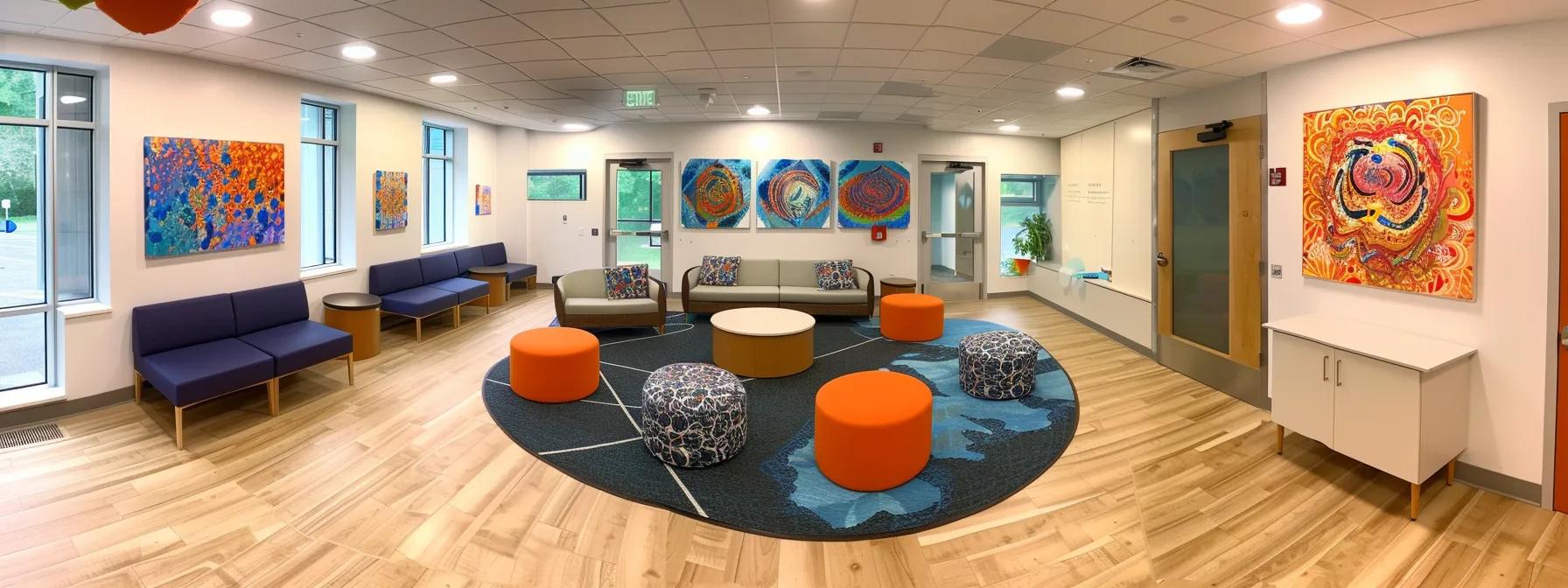
Maintaining Daily Responsibilities While Receiving Intensive Support

A major advantage of the Half Day IOP is its flexibility, which allows patients to manage treatment while fulfilling professional, academic, or familial responsibilities. The model recognizes that full-time recovery should not result in neglecting everyday duties. Patients attend intensive sessions during the day then return to work or school in the afternoon or evening. Maintaining normalcy fosters stability and continuity, which is essential for long-term sobriety.

For many, continuing work or studies offers a distraction from negative thoughts and reinforces a positive self-image. The need to uphold responsibilities also encourages accountability, helping reduce the risk of relapse when patients know their actions affect important aspects of life. In Massachusetts, where many balance demanding careers with family roles, this structure is particularly effective, allowing clients to immediately practice newly learned coping and stress management skills.

Furthermore, the environment promotes a real-time application of recovery strategies in situations that may have contributed to addiction. This immediate integration helps make the recovery process dynamic and sustainable.

Applying Learned Recovery Skills in Real-World Massachusetts Settings

Another benefit is the immediate application of therapeutic skills. Patients return home or to work after each session to practice strategies such as mindfulness, cognitive restructuring, and stress management. This quick feedback loop reinforces the session learnings and helps patients manage triggers in familiar settings. For instance, after a session on communication skills, patients may notice improved family dynamics as they implement these skills at home.

Accessing Comprehensive Therapeutic Modalities and Personalized Care

Half Day IOPs in MA offer a diverse range of treatment options including group therapy, individual counseling, family sessions, and holistic approaches. Clinicians use evidence-based practices like CBT and DBT to design personalized care plans addressing both substance abuse and concurrent mental health issues. The inclusion of mindfulness and relapse prevention planning further supports overall wellness. This individualized approach is crucial for those with dual diagnoses, as it provides a comprehensive platform for addressing both addiction and associated emotional or behavioral challenges.

Building a Strong Support Network With Peers and Professionals in MA

A central component of recovery in a Half Day IOP is the development of a supportive network. Through group therapy and peer-led sessions, patients gain accountability and understand they are not alone in their struggles. Sharing successes and setbacks creates a safe environment and fosters connections that can extend well beyond the treatment program. Additionally, professional guidance during and after sessions helps manage setbacks constructively, encouraging long-term success.

Cost-Effectiveness Compared to Inpatient or Full-Day Programs

Financially, Half Day IOPs are a cost-effective alternative to full-time inpatient treatment. With shorter daily sessions, patients can maintain an income and continue meeting essential responsibilities, thus avoiding higher residential program costs. Insurance often covers these outpatient services, making high-quality treatment more accessible to a broader patient group.

How a Half Day IOP in MA Fosters Personal Growth and Healing

Comparing Time Commitment Half Day IOP in MA Versus Traditional Outpatient Programs

A Half Day IOP not only supports immediate recovery but also encourages sustained personal growth by blending therapy with everyday living. This integration leads to improved emotional regulation, better communication, and enhanced cognitive resilience, helping patients build a healthier, more sustainable life.

Developing Healthy Coping Mechanisms for Stressors and Triggers

The primary goal of a Half Day IOP is to equip patients with tools to handle stress and triggers healthily. Evidence-based therapies like CBT and DBT enable patients to identify and reframe negative thought patterns while practicing coping strategies in real-life scenarios. For example, a breathing technique learned in a session can be applied during stressful moments at work or home. This real-time application solidifies the learned skills and yields lasting behavioral changes.

Teaching effective coping mechanisms is essential for building resilience. By managing stress well, patients become less vulnerable to relapse and improve their overall mental well-being. Personalized action plans ensure that each patient’s unique stressors are taken into account. Over time, many report greater emotional stability and an enhanced sense of control over their lives. This process of self-discovery and skill-building translates into increased confidence in facing future challenges.

Addressing Co-Occurring Mental Health Conditions Effectively

Many individuals battling substance abuse also face challenges such as anxiety, depression, or post-traumatic stress. A Half Day IOP in MA typically uses a dual-diagnosis model, addressing both addiction and co-occurring mental health issues concurrently. Integrated therapies, which may include medication management and coordinated counseling, help build a stable mental health foundation. This holistic approach reduces relapse risks by addressing underlying psychological issues while treating addiction.

Improving Communication and Interpersonal Skills

Addiction often strains personal relationships. Group therapy sessions within the Half Day IOP provide a structured setting for patients to learn and practice communication skills, such as active listening, empathy, and constructive conflict resolution. Enhancing these skills is vital for rebuilding trust with family and friends. Improved interpersonal skills also offer early indications of recovery progress, as better communication is linked to reduced relapse risks and increased overall satisfaction in personal relationships.

Cultivating Self-Empowerment and Resilience for Long-Term Sobriety

The program emphasizes self-empowerment by involving patients actively in treatment planning and decision-making. This fosters the belief that sustained sobriety is achieved through self-care and proactive efforts. Through exercises, journaling, and reflective counseling, patients begin to recognize their own strengths and develop resilience. This internal empowerment forms the foundation for long-term recovery and increased independence.

Integrating Relapse Prevention Strategies Into Daily Life in MA

Relapse prevention is an integral part of the Half Day IOP. Patients learn to recognize triggers and integrate preventive strategies—such as mindfulness, stress management, and peer support—into daily routines. The ongoing practice of these techniques builds healthier habits and gradually replaces old, destructive patterns. This continuous reinforcement helps patients maintain sobriety and manage setbacks proactively.

In summary, a Half Day IOP fosters personal growth by developing healthy coping mechanisms, addressing co-occurring mental health issues, enhancing communication and interpersonal skills, and cultivating self-empowerment through continuous

.

The Transformative Impact of Flexibility in Your MA Recovery Journey

Flexibility is a cornerstone of the Half Day IOP model. It allows patients to maintain a dynamic balance between intensive recovery support and everyday obligations, enhancing overall treatment effectiveness. The adaptive nature of this approach reduces stress and facilitates a smoother reintegration into daily life—key factors that contribute to lasting recovery.

Balancing Treatment With Work, School, or Family Commitments in Massachusetts

The Half Day IOP is designed for individuals who must juggle treatment with work, school, or family responsibilities. In Massachusetts, many recovery seekers are active professionals or dedicated students who cannot take extended leave. The program schedules sessions in the morning or afternoon, allowing patients to complete treatment and then resume daily tasks with minimal disruption. This balance reduces the burden of treatment and keeps patients engaged with their communities, which is essential for ongoing recovery.

Reducing Stress by Accommodating Personal Schedules

Personalized scheduling in a Half Day IOP gives patients control over when they receive care, reducing the risk of overwhelm that can occur with rigid, full-day programs. Choosing sessions that align with personal energy levels helps enhance the effectiveness of recovery strategies. This flexibility is especially beneficial in the early stages of treatment, where managing stress is critical.

Facilitating a Smoother Transition Back to Everyday Life

Transitioning from structured treatment to normal life can be challenging. The Half Day IOP eases this transition by allowing patients to immediately apply therapeutic insights in real-world settings. With the support of a dedicated clinical team, patients practice learned behaviors outside of sessions, reinforcing their progress and gradually building resilience.

Enabling Immediate Application of Therapeutic Learnings

Therapeutic skills are most effective when applied without delay. In a Half Day IOP, patients can test new coping strategies as soon as they return to their routine, making adjustments quickly based on real-world feedback. This iterative process accelerates recovery and builds long-term resilience against relapse, particularly in environments with unique socioeconomic and environmental stressors.

What to Expect From a Half Day IOP Experience in Massachusetts

For those considering a Half Day IOP, understanding the process—from intake to treatment completion—is essential. A clear overview helps demystify the experience and sets realistic expectations for patients and their families.

The Intake and Assessment Process for MA Programs

Patients begin a Half Day IOP with a comprehensive intake process. Experienced clinicians evaluate the patient’s treatment history, addiction severity, mental health, and personal circumstances. This assessment gathers detailed information through interviews and standardized questionnaires to establish a baseline for progress tracking. The outcome guides the development of a personalized care plan, integrating individual therapy, group sessions, and sometimes family counseling to ensure each patient receives the appropriate level of care from the start.

Types of Therapies Offered: Individual, Group, and Family Sessions

The Half Day IOP offers a comprehensive array of therapeutic modalities: 1. Individual Counseling: One-on-one sessions help patients explore personal challenges and trauma under the guidance of a trained therapist. 2. Group Therapy: Patients share experiences and strategies in a community setting that fosters mutual support and accountability. 3. Family Sessions: These sessions aim to mend relationships and rebuild trust by involving loved ones in the recovery process and educating them about addiction and recovery.

Patients rotate through these approaches to ensure a holistic recovery that addresses both emotional and behavioral aspects of addiction.

The Role of Evidence-Based Practices Like CBT and DBT

Evidence-based practices form the core of the therapeutic approach in a Half Day IOP. CBT helps patients identify and change harmful thought patterns, while DBT focuses on improving emotional regulation with techniques such as mindfulness and distress tolerance. These methods have been widely validated and help reduce relapse rates when applied correctly.

Emphasis on Life Skills Development and Aftercare Planning

A key feature of the Half Day IOP is its focus on developing practical life skills needed for sustained recovery. Patients receive training in time management, financial planning, and effective communication. Aftercare planning is also integrated to ensure that once the intensive phase ends, patients have a structured plan—including follow-up appointments, support groups, and continued therapy—to help maintain their progress.

Support for Medication Management if Required

For some patients, medication-assisted treatment (MAT) is necessary. The Half Day IOP in MA provides integrated support for medication management, coordinating pharmaceutical assistance with psychotherapy. Clinicians monitor effectiveness and adjust dosages as needed, ensuring comprehensive support throughout recovery.

Taking the Next Step Towards Transformation With a MA Half Day IOP

Taking the leap into a Half Day IOP requires careful consideration of personal recovery needs and logistical details. Understanding the process and benefits helps patients and their families make informed decisions for lasting sobriety.

Identifying if a Half Day Program Aligns With Your Recovery Needs

Patients should assess if the Half Day IOP suits their recovery stage. It is particularly appropriate for those who are stable yet face challenges that require intensive support, such as difficulties with relapse or balancing work and family responsibilities. A personalized evaluation by a licensed clinician at Strength Recovery Services can determine if this flexible model meets one’s recovery goals.

How to Find and Choose a Quality Half Day IOP in Massachusetts

Choosing the right program is critical. Patients should seek accredited programs with experienced staff and high treatment completion rates. In Massachusetts, research reviews, success stories, and treatment philosophies, and consider reaching out directly to facilities. Consulting with a health professional and obtaining recommendations can also guide this decision process. A quality program will have a clear intake process, detailed treatment plans, and solid aftercare support in a compassionate environment.

Understanding Insurance Coverage and Financial Options in MA

Cost is often a concern, and Half Day IOPs are generally more affordable than full-day programs. Many insurance plans cover outpatient services, reducing out-of-pocket expenses. Facilities like Strength Recovery Services offer financial counseling to help patients understand payment structures and explore available financial assistance options.

Here is a table summarizing key financial aspects for a Half Day IOP compared to other treatment modalities:

Treatment Modality Average Duration Estimated Cost Range Insurance Coverage (%) Flexibility in Scheduling Additional Expenses
Half Day IOP (MA) 8-12 weeks $3,000 – $8,000 70-90% High Minimal
Full Day Residential 28-30 days $15,000 – $30,000 50-70% Low Moderate
Traditional Outpatient Ongoing $1,500 – $5,000/year 60-80% Moderate Variable
Partial Hospitalization 2-3 weeks $5,000 – $10,000 65-85% Moderate Minimal
Intensive Outpatient (IOP) Varies $2,000 – $6,000 70-90% High Minimal

This table illustrates that the half-day format offers both cost-effective and flexible treatment compared to more intensive residential care.

Preparing for Your First Day and Making the Most of Treatment

Preparation is essential for success in any intensive treatment program. Patients should organize their schedules, inform employers or schools, and arrange childcare or family support as needed. A detailed orientation on the first day explains the program structure, policies, and expectations, setting a clear roadmap for recovery. Strength Recovery Services advises coming with an open mind and readiness to engage fully in the process.

Stories of Transformation From MA Half Day IOP Alumni

Real-life success stories highlight the transformative power of a Half Day IOP. Many alumni report long-term sobriety, improved life skills, and better personal and professional relationships. For instance, one individual shared that after joining the program, they returned to work without the guilt or frustration that previously hindered their performance. Another reported that family therapy sessions were crucial in mending relationships at home. These success stories validate the balanced and flexible approach of the Half Day IOP, offering hope and inspiration for those still on their recovery journey.

Comparison of Treatment Modalities for Addiction Recovery

Below is a table comparing various addiction treatment options by structure, cost, intensity, and flexibility. This summary can help individuals determine which treatment best fits their lifestyle and recovery goals.

Treatment Option Duration Intensity Level Estimated Cost Range Flexibility in Schedule Key Benefit Typical Setting
Half Day IOP in MA 8-12 weeks High (part-time) $3,000 – $8,000 High Balances intensive therapy with daily life Outpatient (Part-Time)
Full Day Residential Program 28-30 days Very High $15,000 – $30,000 Low Provides 24/7 supervision and structure Inpatient
Traditional Outpatient Ongoing Moderate $1,500 – $5,000/year Moderate Accessible and flexible for early recovery Outpatient
Partial Hospitalization (PHP) 2-3 weeks High $5,000 – $10,000 Moderate Intensive care with optional evening activities Inpatient/Outpatient
Intensive Outpatient (IOP) Varies High $2,000 – $6,000 High Structured therapy while maintaining independence Outpatient

Before reviewing this table, patients should consider their current responsibilities and treatment needs. Clearly, the Half Day IOP provides a balanced option that meets the demands of rigorous therapy while accommodating practical scheduling.

Detailed Lists of Key Elements in a Half Day IOP

Below are detailed lists summarizing the critical components and benefits of a Half Day IOP in Massachusetts.

List 1: Key Components of a Half Day IOP Treatment Model

  • Individualized Assessments – Tailored Evaluations for Personalized Care: Comprehensive assessments at intake enable clinicians to understand each patient’s unique substance use, mental health, and life circumstances, ensuring a customized treatment plan.
  • Evidence-Based Therapies – CBT, DBT, and More: Established therapeutic techniques such as CBT and DBT help individuals recognize and modify destructive patterns, fostering healthier behaviors.
  • Group Therapy Sessions – Peer Support and Shared Learning: Structured group sessions provide community support, reducing isolation and offering diverse perspectives on recovery.
  • Family Counseling – Strengthening Support Networks: Involving family members rebuilds trust and improves home communication, equipping loved ones with tools to support recovery.
  • Life Skills Training – Preparation for Real-World Challenges: Workshops on time management, financial planning, and communication empower individuals to rebuild stable, productive lives.
  • Relapse Prevention Strategies – Long-Term Sobriety Planning: Individualized sessions help patients identify triggers and implement coping strategies immediately.
  • Integrated Aftercare Planning – Ensuring Ongoing Support: Collaborative development of an aftercare plan—including continued therapy and support groups—ensures sustained recovery post-treatment.

List 2: Benefits of a Half Day IOP in MA

  • Maintaining Professional and Personal Commitments – Preserving Daily Routine: Intensive therapy is provided without disrupting work, school, or family life.
  • Immediate Application of Therapeutic Skills – Reinforcing Treatment Effects: Patients can return home after sessions to immediately apply coping strategies, strengthening new behaviors.
  • Cost-Effective Treatment Option – Reduced Financial Burden: Compared to full-day residential programs, the Half Day IOP is more affordable and often insurance-covered.
  • Customized Treatment Plans – Addressing Individual Needs: Personalized care plans target specific issues such as trauma, anxiety, or depression.
  • Enhanced Peer and Family Support – Building a Robust Recovery Network: Group and family therapy sessions create a supportive network critical for long-term sobriety.
  • Flexibility in Scheduling – Accommodating Diverse Lifestyles: The adaptive scheduling of the program reduces stress linked to rigid treatment models.
  • Sustainable Recovery Model – Preparing for Long-Term Sobriety: Integrated relapse prevention and aftercare planning equip patients to maintain recovery independently.

List 3: Life Skills Developed in a Half Day IOP

  • Time Management – Balancing Treatment and Daily Responsibilities: Patients learn to organize their time effectively to integrate recovery with daily life.
  • Stress Management – Techniques to Reduce Overwhelm: Mindfulness and relaxation techniques help manage both acute and chronic stress.
  • Financial Planning – Stability Through Budgeting: Workshops on budgeting support financial independence and stability.
  • Effective Communication – Improving Interpersonal Relationships: Training in both verbal and non-verbal communication enhances personal relationships.
  • Problem Solving – Navigating Daily Challenges: Practical exercises help convert obstacles into opportunities for growth.
  • Self-Care Practices – Fostering Physical and Emotional Wellness: Emphasis on exercise, nutrition, and sleep hygiene supports overall mental health.
  • Goal Setting – Establishing a Roadmap for Success: Structured goal-setting strategies help create actionable recovery plans for long-term success.

List 4: Essential Aftercare Strategies Post-IOP

  • Regular Follow-Up Appointments – Monitoring Long-Term Progress: Scheduled check-ins provide ongoing support and early intervention.
  • Participation in Support Groups – Continuous Peer Engagement: Local or virtual support groups offer community and accountability.
  • Individual Therapy Sessions – Ongoing Personal Improvement: Continued therapy refines coping strategies and addresses emerging challenges.
  • Family Counseling – Reinforcing Home Support Systems: Regular family sessions maintain a supportive home environment.
  • Medication Review and Management – Adjusting Treatment as Needed: Periodic reviews help ensure effective management of any required medications.

  • Holistic Wellness Programs – Incorporating Exercise, Nutrition, and Mindfulness: Wellness activities complement traditional therapy for overall health.
  • Educational Workshops and Skill-Building Courses – Enhancing Knowledge: Ongoing education provides the latest recovery strategies and self-care techniques.

Frequently Asked Questions

Q: What exactly is a Half Day IOP and who is it for? A: A Half Day Intensive Outpatient Program (IOP) offers several hours of intensive therapy per day without overnight stays. It is ideal for individuals who require intensive addiction recovery while maintaining work, school, or family responsibilities, especially those transitioning from inpatient care or needing structured support but unable to commit to full-day residential programs.

Q: How does a Half Day IOP help in preventing relapse? A: The program equips patients with practical tools and coping strategies applied in real time. Through individual counseling, group therapy, and family sessions, patients develop effective relapse prevention plans using techniques such as mindfulness, CBT, and DBT. Regular check-ins and integrated aftercare further reduce relapse risk.

Q: How flexible is the scheduling of a Half Day IOP compared to other treatment options? A: The Half Day IOP offers highly flexible scheduling, allowing patients to integrate intensive therapy into their daily lives. Unlike full-day residential programs, patients return home after sessions, facilitating easier management of work, school, or family obligations, and immediate application of recovery skills.

Q: What types of therapies are typically offered in a Half Day IOP? A: A typical Half Day IOP provides individual counseling, group therapy, and family sessions. It uses evidence-based practices like CBT and DBT, supplemented with training in life skills, stress management, and relapse prevention. Some programs also offer support for medication management if needed.

Q: How do I know if a Half Day IOP is the right choice for my recovery needs? A: Evaluating factors such as current lifestyle, responsibilities, and recovery goals can help determine if the Half Day IOP is appropriate. It is well suited for those who are stable yet face challenges requiring intensive support. A licensed clinician’s assessment can confirm if this flexible model fits your needs.

Q: What outcomes can I expect from participating in a Half Day IOP? A: Participants generally experience improved coping skills, emotional stability, and reduced relapse risks. Many report enhanced self-confidence, better communication abilities, and overall improved quality of life as they integrate therapeutic skills into daily routines.

Q: How is aftercare planning integrated into a Half Day IOP? A: Aftercare planning is a core component; before program completion, each patient collaborates with clinicians to develop an individualized plan. This plan includes follow-up appointments, continued support group participation, individual therapy, and family counseling to ensure sustained recovery.

Benefits of PHP Addiction Care in Weymouth, MA | Strength Recovery Services | Addiction Treatment and Drug Rehab in MA | Day Treatment PHP IOP OP and Detox

Benefits of PHP Addiction Care in Weymouth, MA

Understanding the Importance of PHP Addiction Care

Partial Hospitalization Programs (PHP) represent a vital component in the spectrum of addiction treatment options. For individuals grappling with substance use disorders, PHP offers a structured approach to recovery that blends therapeutic activities with medical oversight. This type of care is designed for those who require intensive treatment but do not necessitate the constant supervision found in inpatient settings. PHP addiction care in Weymouth, MA, provides a crucial bridge for individuals transitioning from inpatient care or those dealing with severe addiction issues that need more intensive support than traditional outpatient services can offer.

The significance of PHP addiction care is evident in its focus on addressing not only the addiction itself but also the underlying psychological and emotional issues that contribute to substance use. Clients engage in a range of evidence-based therapies, including individual counseling, group therapy, and psychiatric support, all aimed at fostering recovery. In Weymouth, MA, PHP programs function effectively to guide clients through their recovery journey while promoting accountability and resilience. The structured environment encourages clients to confront challenges in a supportive setting, which is essential for long-term success.

For many individuals in recovery, PHP serves as a critical step towards achieving lasting sobriety. The program’s intensity and comprehensive support help clients build a foundation for ongoing recovery. By engaging in PHP addiction care in Weymouth, MA, individuals can develop healthier coping strategies and build essential life skills, making it a vital aspect of their path to recovery. This level of care ensures that clients are not only abstaining from substances but are also actively working towards personal growth and improved mental well-being.

Comprehensive Support Offered in Weymouth, MA

Benefits of PHP Addiction Care in Weymouth, MA | Strength Recovery Services | Addiction Treatment and Drug Rehab in MA | Day Treatment PHP IOP OP and Detox

Strength Recovery Center in Weymouth, MA, is dedicated to providing comprehensive support for individuals in need of PHP addiction care. Recognizing the multifaceted nature of addiction, the center offers a range of services designed to meet the diverse needs of clients. These services include group therapy sessions, individual counseling, and access to psychiatric care. The holistic approach ensures that all aspects of a client’s well-being are addressed, making it easier for them to engage in their recovery process effectively.

One of the key benefits of PHP addiction care in Weymouth, MA, is the emphasis on teamwork and collaboration among treatment professionals. Specialists, including licensed therapists, addiction counselors, and medical professionals, work together to create a cohesive treatment plan tailored to each client’s unique needs. This collaborative environment fosters a sense of community and support, which is paramount for individuals experiencing the challenges of addiction. Clients are encouraged to share their experiences and learn from one another, creating a supportive network that enhances the recovery process.

In addition to traditional therapeutic techniques, PHP addiction care in Weymouth, MA, incorporates holistic therapies aimed at promoting overall well-being. Clients may have opportunities to engage in art therapy, yoga, and mindfulness practices, which are designed to help them reconnect with themselves and manage stress effectively. By combining these diverse treatment modalities, Strength Recovery Services provides a well-rounded approach to addiction recovery, emphasizing the importance of comprehensive support in achieving lasting change.

Tailored Treatment Plans for Individual Recovery Needs

At the heart of PHP addiction care in Weymouth, MA, is the principle of individualized treatment planning. Strength Recovery Center recognizes that each person’s journey through addiction is unique and requires a tailored approach. Trained professionals work closely with clients to identify their specific needs, goals, and challenges, ensuring that the treatment plan is aligned with their personal recovery objectives. This customization is essential for fostering engagement and accountability within the recovery process.

Clients in PHP addiction care benefit from detailed assessments that inform their treatment plans. These assessments take into account various factors, including the severity of addiction, co-occurring mental health disorders, personal history, and lifestyle. By thoroughly understanding each client’s background and current situation, the team at Strength Recovery Center can craft a comprehensive plan that incorporates evidence-based therapies and alternative treatments, addressing both the physical and psychological aspects of recovery in Weymouth, MA.

The flexibility of tailored treatment plans allows clients to adapt their recovery journey as they progress. Regular evaluations and adjustments ensure that the program remains relevant and effective, catering to the evolving needs of individuals in recovery. This personalized approach not only increases the likelihood of successful outcomes but also empowers clients to take an active role in their own healing, fostering a sense of ownership over the recovery process in Weymouth, MA.

Flexible Scheduling to Accommodate Busy Lifestyles

Benefits of PHP Addiction Care in Weymouth, MA | Strength Recovery Services | Addiction Treatment and Drug Rehab in MA | Day Treatment PHP IOP OP and Detox

Understanding that many individuals seeking PHP addiction care in Weymouth, MA, have complicated lives, Strength Recovery Services prioritizes flexible scheduling options. This flexibility is essential in enabling clients to integrate treatment into their daily routines without sacrificing other responsibilities. By offering multiple scheduling options, the center ensures that clients can receive the intensive support they need while still handling personal, professional, or educational commitments.

Clients participating in PHP addiction care can choose from various time slots, allowing them to select a schedule that works best for their lifestyle. Whether it’s attending sessions during the day or opting for early morning or evening hours, this flexibility helps reduce barriers to treatment. Clients feel less overwhelmed and more equipped to manage both their recovery and everyday obligations, which is crucial for maintaining a balanced and sustainable approach to healing.

In addition to accommodating busy schedules, the design of PHP programs fosters a sense of consistency and structure in clients’ lives. Daily routines established during PHP can translate into the development of healthy habits outside of treatment. This structured approach helps clients develop coping mechanisms while reinforcing the skills necessary for long-term recovery. Ultimately, the flexibility in scheduling of PHP addiction care in Weymouth, MA, is a critical element that supports clients in their recovery journeys.

Evidence-Based Therapies Utilized in PHP Programs

The effectiveness of PHP addiction care in Weymouth, MA, is largely attributed to the use of evidence-based therapies. Strength Recovery Services emphasizes the importance of utilizing therapeutic approaches that have been scientifically validated to promote recovery. These therapies include Cognitive Behavioral Therapy (CBT), Dialectical Behavior Therapy (DBT), and other structured modalities that focus on understanding and changing harmful thought patterns and behaviors associated with addiction.

CBT, for instance, equips clients with practical skills to identify and challenge negative thoughts that may lead to substance use. This approach not only aids in overcoming addiction but also addresses underlying mental health concerns such as anxiety and depression. Similarly, DBT focuses on emotional regulation, providing clients with tools to manage intense emotions and improve interpersonal relationships, which are critical components of recovery. The incorporation of these evidence-based therapies ensures that clients are receiving high-quality care that is grounded in research and best practices in the field of addiction treatment.

In addition to these primary therapeutic methods, PHP programs in Weymouth, MA, may also integrate complementary therapies designed to enhance the overall treatment experience. Mindfulness practices, trauma-informed care, and group therapy discussions facilitate a well-rounded approach to healing. By combining various therapeutic techniques, the PHP programs can address the multifaceted nature of addiction, promoting a more profound and lasting recovery process for clients in Weymouth, MA.

Community and Family Involvement in the Recovery Process

The community and family play an integral role in the PHP addiction care process in Weymouth, MA. Recognizing that addiction affects not only the individual but also their loved ones, Strength Recovery Services actively encourages family involvement as part of the treatment journey. Family therapy sessions are often incorporated into the PHP program, allowing family members to understand the dynamics of addiction and fostering healthier communication patterns. These sessions can provide vital support for the client while also helping families learn how to set boundaries and offer encouragement.

Community support is equally important in the recovery process. Strength Recovery Services fosters a sense of connection among clients, encouraging them to participate in group activities and discussions that promote shared experiences. This communal approach helps clients feel less isolated in their struggles and reinforces the idea that recovery is a collective journey. By engaging with peers facing similar challenges, individuals can gain valuable insights and encouragement, further strengthening their commitment to recovery.

Through community and family involvement, PHP addiction care in Weymouth, MA, enhances the overall treatment experience. Clients are provided with opportunities to rebuild relationships and establish new, supportive connections that can positively influence their recovery journey. This emphasis on community engagement not only aids in individual healing but also fosters a supportive environment that reinforces the importance of ongoing recovery in Weymouth, MA.

Don’t wait to reclaim your life. Call Strength Recovery Services in Weymouth, MA today to learn more about our Full Day Treatment, Half Day Treatment, and Outpatient Program options. Your recovery starts now.

Half Day IOP Addiction Treatment in Weymouth, MA | Strength Recovery Services | Addiction Treatment and Drug Rehab in MA | Day Treatment PHP IOP OP and Detox

Half Day IOP Addiction Treatment in Weymouth, MA

Understanding Half Day IOP Addiction Treatment in Weymouth, MA

Half Day Intensive Outpatient Programs (IOP) in Weymouth, MA, represent a vital step in addiction recovery for individuals seeking effective treatment without requiring full-time inpatient care. This type of program allows clients to benefit from structured therapeutic sessions while continuing to maintain their daily responsibilities. It is particularly advantageous for those who are transitioning from more intensive treatment options, such as inpatient rehabilitation or partial hospitalization programs. The goal is to provide a balance between comprehensive support and personalized care, enabling individuals to engage in their recovery in a manner that fits their lifestyle.

At Strength Recovery Center, the Half Day IOP caters to the diverse needs of clients, addressing both substance use disorders and co-occurring mental health conditions. Clients typically attend sessions for several hours a day, where they participate in various therapeutic activities, including group therapy, individual counseling, and skills training. This environment fosters camaraderie among participants, allowing them to share experiences and support each other on their paths to recovery. The structured nature of Half Day IOPs ensures that clients receive the necessary tools and coping strategies to navigate the challenges of addiction.

In Weymouth, MA, the Half Day IOP treatment model emphasizes the importance of evidence-based practices. The programming is tailored to meet the unique needs of each client, with an emphasis on understanding the underlying issues that contribute to addiction. By focusing on individualized treatment plans, clients are empowered to work through their addiction at their own pace while benefiting from the support of trained professionals. This combination of therapeutic support and personal accountability is essential for promoting lasting recovery.

Key Benefits of Half Day IOP Programs for Recovery

Half Day IOP Addiction Treatment in Weymouth, MA | Strength Recovery Services | Addiction Treatment and Drug Rehab in MA | Day Treatment PHP IOP OP and Detox

Half Day IOP programs in Weymouth, MA, offer several advantages that can significantly enhance the recovery experience. One of the most notable benefits is the flexibility these programs provide. Clients can attend therapy sessions during the day and return home in the evenings, allowing them to maintain their jobs, care for their families, or engage in other daily activities. This flexibility helps reduce the stigma associated with addiction treatment and encourages individuals to take ownership of their recovery journey while still receiving the support they need.

Another advantage of Half Day IOPs is their focus on comprehensive therapeutic interventions. Programs typically include a blend of individual therapy, group sessions, and educational workshops that engage clients in various aspects of their recovery. Clients learn about topics such as coping strategies, relapse prevention, and lifestyle changes that support sobriety. This well-rounded approach ensures that participants are equipped with essential skills to manage their addiction and make informed choices moving forward.

Furthermore, Half Day IOPs in Weymouth, MA, foster a sense of community among participants. By engaging in group therapy and support sessions, clients build connections with others facing similar struggles. This network of support can be instrumental in recovery, as individuals often feel more understood and motivated to maintain their sobriety when surrounded by peers who share their experiences. This sense of belonging not only enhances the recovery process but also helps in building lasting friendships that can support individuals long after they complete their treatment.

What to Expect During Half Day IOP Sessions

When attending Half Day IOP sessions in Weymouth, MA, clients can expect a structured schedule that prioritizes therapeutic activities designed to address their unique needs. Typically, these sessions run for several hours a day, several days a week, allowing clients to immerse themselves in their recovery while still having time for personal responsibilities. The format often includes a combination of group therapy, individual counseling, and educational workshops, creating a comprehensive therapeutic experience.

Group therapy forms a cornerstone of the Half Day IOP experience. During these sessions, clients discuss their challenges, share their successes, and support one another in a safe environment. This collaborative approach not only enhances personal insights but also fosters accountability among participants. Individual counseling sessions allow clients to delve deeper into their personal histories and work on specific issues with the guidance of a licensed therapist. This individualized attention is crucial for addressing the root causes of addiction and mental health disorders.

Clients can also expect to participate in various therapeutic exercises and skill-building activities during their Half Day IOP sessions. These may include mindfulness practices, cognitive-behavioral techniques, and relapse prevention strategies. Workshops on topics such as stress management, coping mechanisms, and healthy lifestyle choices further empower clients to make informed decisions as they progress in their recovery. By the end of the program, clients will have developed a well-rounded toolkit for maintaining sobriety and navigating everyday challenges in their lives.

How Half Day IOP Differs from Other Treatment Options

Half Day IOPs in Weymouth, MA, stand apart from other addiction treatment options due to their unique blend of flexibility, structure, and comprehensive care. Unlike inpatient programs that provide 24/7 supervision, Half Day IOPs allow clients to participate in therapy during the day and return home at night, offering a greater degree of independence. This structure is ideal for individuals who have responsibilities such as work or family commitments but still require significant therapeutic support to overcome their addiction.

In contrast to traditional outpatient programs, which may involve less intensive treatment sessions, Half Day IOPs are designed for individuals who need more frequent and focused intervention. These programs typically meet several times a week, offering a level of intensity that is ideal for those who are actively working through their recovery. This increased frequency allows clients to build a strong support network and receive ongoing therapeutic guidance, which can be crucial during the early stages of recovery.

Additionally, Half Day IOPs often cater to individuals with co-occurring mental health disorders, providing integrated treatment that addresses both addiction and mental health needs. This dual-focus approach allows clients to explore and treat the underlying psychological issues that may contribute to their substance use, making Half Day IOPs a more holistic option than traditional outpatient care. By combining structured therapy with the flexibility to maintain daily activities, these programs provide a balanced approach to recovery that can lead to lasting change.

Finding the Right Half Day IOP Program in Weymouth, MA

Half Day IOP Addiction Treatment in Weymouth, MA | Strength Recovery Services | Addiction Treatment and Drug Rehab in MA | Day Treatment PHP IOP OP and Detox

Choosing the right Half Day IOP program in Weymouth, MA, is essential for effective recovery. Prospective clients should consider various factors when evaluating their options, starting with the qualifications and experience of the professionals leading the program. Look for treatment centers that employ licensed therapists, addiction specialists, and medical professionals who are well-versed in evidence-based practices. At Strength Recovery Center, the team is dedicated to providing personalized care tailored to each client’s unique needs, ensuring the highest quality of support during the recovery process.

In addition to professional qualifications, it is important to assess the program’s structure and curriculum. A well-rounded Half Day IOP should offer a mix of group therapy, individual counseling, and educational workshops that address a range of recovery topics. Programs should also incorporate skills training to help clients develop coping mechanisms and relapse prevention strategies. When selecting a program, inquire about the specific therapies offered and the overall approach to treatment, ensuring it aligns with your individual goals and preferences.

Finally, consider the location and accessibility of the treatment center. A convenient location can make it easier for clients to attend sessions regularly, which is crucial for building momentum in recovery. Additionally, support services such as transportation assistance or flexible scheduling can enhance the accessibility of the program. Ultimately, finding the right Half Day IOP program in Weymouth, MA, requires careful consideration of various factors to ensure a positive and effective recovery experience.

Success Stories: Transformative Outcomes of IOP Treatment

While specific individual stories are not shared, the effectiveness of Half Day IOPs in Weymouth, MA, is supported by numerous positive outcomes reported by former clients. Many individuals who have completed Half Day IOP programs have experienced significant improvements in their mental and emotional well-being. By participating in structured therapeutic sessions, clients often find they are better equipped to manage their emotions and navigate daily stressors. This newfound stability plays a crucial role in maintaining long-term sobriety and rebuilding a fulfilling life.

Additionally, clients frequently report enhanced coping skills and a deeper understanding of their addiction. The combination of group therapy and individual counseling allows participants to explore the underlying issues contributing to their substance use, leading to personal growth and self-discovery. Many individuals leave the program with a greater sense of self-awareness, enabling them to make healthier choices moving forward. This empowerment is essential for sustaining recovery in the long run.

Success in Half Day IOP programs also extends to the formation of peer relationships. Clients often find lasting friendships and support networks within the program, which can be invaluable as they continue their recovery journey. The connections made during treatment foster a sense of belonging and accountability, which can enhance motivation and commitment to sobriety. By focusing on building both skills and community, Half Day IOPs in Weymouth, MA, create a strong foundation for a positive and lasting recovery experience.

If you or a loved one is considering addiction treatment, don’t hesitate to reach out to Strength Recovery Center in Weymouth, MA. Our dedicated team is here to guide you through the process and help you reclaim your life. Call us today to learn more about our Half Day IOP and other treatment options tailored to your needs. Your journey to recovery begins now.

Get Help Now - Confidential & Free